
Millions of people want to improve their sleep, but many don’t know where to start. Sleep affects mood, energy, health, and even weight. Today, smartwatches promise easy sleep tracking—just wear one, and your night is measured. But how well do these devices really work? Can you trust the results? This guide explores how smartwatches track sleep, what data they collect, their accuracy, limits, and how to use the information wisely. You’ll also learn about the science behind sleep tracking, what features matter, and how smartwatches compare to other options. If you’re thinking about using a smartwatch to understand your sleep, or simply want to know how this technology works, this article gives you the full picture.
How Do Smartwatches Track Sleep?
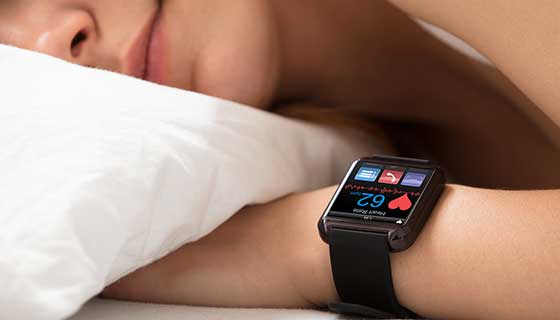
Smartwatches use sensors and software to measure how you sleep. Most popular models use a mix of accelerometers (to sense movement), heart rate sensors, and sometimes even blood oxygen monitors. When you wear a smartwatch to bed, it collects data all night and uses algorithms to guess when you are awake, in light sleep, deep sleep, or REM sleep.
The Main Sensors
- Accelerometer: This tiny tool tracks movement. If you are still, the watch thinks you are asleep. If you move a lot, it marks you as awake or restless.
- Heart Rate Sensor: Your heart beats differently during sleep stages. For example, it slows during deep sleep and speeds up during REM.
- Pulse Oximeter: Some watches check your blood oxygen level to spot breathing problems like sleep apnea.
These sensors send data to the smartwatch’s software, which tries to map your night into different sleep stages.
How Sleep Stages Are Detected
Your body cycles through several sleep stages each night:
- Light Sleep: Easy to wake up from, makes up about half your night.
- Deep Sleep: Hard to wake, your body repairs itself.
- REM Sleep: Dreaming happens here, brain is active.
Smartwatches can estimate these by combining your movement and heart rate patterns. For example, if your body is still and your heart rate drops, the watch may call it deep sleep. But these are still guesses, not medical tests.
What Sleep Data Do Smartwatches Collect?
When you check your watch in the morning, you usually see a sleep summary. The details depend on the brand and model, but most smartwatches include these main data points:
- Total Sleep Time: The number of hours you were asleep.
- Sleep Stages: How much time in light, deep, and REM sleep.
- Sleep Quality Score: A simple number to help you judge your night.
- Sleep Timeline: A chart showing when you were in each stage.
- Awake Periods: Times you woke up or tossed and turned.
- Heart Rate Trends: How your heart rate changed during the night.
- Blood Oxygen Levels: Some watches show drops in oxygen, which can signal problems.
Some smartwatches also track respiratory rate (breaths per minute) and note possible problems like snoring or irregular sleep. These extra details can help people spot patterns or issues.
How Accurate Are Smartwatch Sleep Trackers?
Accuracy is the biggest question for many users. Smartwatches are not as precise as medical sleep tests (called polysomnography), but they are getting better. Studies show smartwatches are good at measuring total sleep time and wake periods, but less accurate with sleep stages.
Comparing Smartwatch Sleep Tracking To Medical Tests
Here’s how smartwatches compare to the gold standard, polysomnography (PSG):
| Measure | Smartwatch | Polysomnography |
|---|---|---|
| Total Sleep Time | Good estimate | Very accurate |
| Wake Periods | Fairly accurate | Very accurate |
| Sleep Stages | Can be off by 15-30% | Very accurate |
| Sleep Disorders | Limited detection | Full diagnosis possible |
Key insight: Smartwatches are great for tracking general trends over time, but not for diagnosing serious sleep problems.
What Affects Accuracy?
Several factors can change how well your smartwatch tracks sleep:
- Fit: A loose watch gives poor readings.
- Sensor Quality: High-end watches usually perform better.
- Firmware Updates: New software can improve accuracy.
- Body Type: Some sensors work less well on darker or tattooed skin.
- Sleep Habits: If you lie still when awake, the watch may think you’re asleep.
Many smartwatches can mistake lying in bed for sleeping, or miss short wake-ups. They also may mix up light and REM sleep, as both involve little movement.
Real-world Example
A study in 2020 compared the Apple Watch, Fitbit, and Garmin sleep tracking to medical tests. The Apple Watch was about 78% accurate for total sleep time but only 60-70% for sleep stages. Fitbit was similar. Garmin models were a bit less accurate for sleep stages. This means most watches are good for tracking how long you sleep, but not every detail.
Popular Smartwatches For Sleep Tracking
Not all smartwatches are equal when it comes to sleep tracking. Here are some leading models and what they offer:
Apple Watch Series
The Apple Watch Series 8 and newer have advanced sleep tracking. They use heart rate, movement, and even skin temperature. Data syncs with the Health app, showing sleep stages and trends. However, older Apple Watches offer only basic tracking.
Fitbit Devices
Fitbit is known for sleep tracking. The Fitbit Sense 2 and Fitbit Versa 4 give detailed sleep breakdowns, including a sleep score and snore detection. Fitbits are popular for their long battery life, which helps with overnight tracking.
Samsung Galaxy Watch
The Galaxy Watch 5 and 6 offer sleep stages, blood oxygen, and even snore detection if paired with a phone. Samsung’s Sleep Score is easy to understand.
Garmin Watches
Garmin Forerunner and Fenix lines track sleep but focus more on athletes. They show sleep stages and recovery suggestions, but some users find the interface less simple.
Other Brands
- Whoop Strap: Focuses on sleep and recovery.
- Oura Ring: Not a watch, but a popular sleep tracker.
- Amazfit and Huawei: Offer budget-friendly sleep tracking, though accuracy can vary.
When choosing a watch for sleep, check for comfort, battery life, and the quality of the app.

What Features Matter Most In Sleep Tracking?
Buying a smartwatch for sleep? Here’s what really counts:
1. Sensor Quality
The best sleep tracking needs good heart rate sensors and movement detection. High-quality sensors give better data, especially for sleep stages.
2. Battery Life
If your watch dies overnight, it can’t track sleep. Look for devices with multi-day battery life or fast charging.
3. Comfort
If your watch is too big or heavy, you won’t want to wear it to bed. Slim, soft bands are best.
4. Data Insights
Choose a watch that gives clear, helpful sleep reports—not just raw numbers. Some apps offer tips to improve your sleep.
5. App Integration
Sleep data is most useful if it’s easy to read and connects with other health info (like activity or stress). Good watches sync with your phone’s health app.
6. Extra Health Features
Some watches add blood oxygen, skin temperature, or snore detection. These can help spot sleep issues, but are not essential for everyone.
7. Price
You don’t need the most expensive watch for good sleep tracking. Some budget models do well.
Non-obvious insight: Many people forget to check if their preferred watch works with their phone (iOS or Android). Some features are only available with certain phones.
What Can You Learn From Sleep Tracking?
Smartwatches give you more than just numbers. Used well, they can help you:
- Spot Patterns: See if you sleep better on weekends, or if stress affects your rest.
- Set Goals: Aim for 7-8 hours per night and track progress.
- Change Habits: Notice if late-night phone use or caffeine hurts your sleep.
- Discuss with Doctors: Bring sleep data to your doctor for better advice.
However, smartwatches can’t show everything. They don’t measure brain waves, so they can’t diagnose disorders like insomnia or narcolepsy. If you have serious sleep problems, see a doctor.
Non-obvious insight: Sleep trackers can create anxiety for some people (called “orthosomnia”). If you get stressed by the numbers, focus on how you feel, not just the data.
Limitations Of Smartwatch Sleep Tracking
Sleep tracking has many benefits, but also some real limits.
Not A Medical Device
Smartwatches are consumer gadgets, not medical tools. They can miss or misread important details. If you snore, stop breathing, or feel tired all day, don’t rely only on your watch.
Possible Errors
- Watches may mistake lying in bed for sleep.
- They may miss brief wake-ups.
- Sleep stages are only estimates.
- Some sensors may work poorly on certain skin types.
Battery And Charging
Many people forget to charge their watch, leading to missing data. Some watches drain faster with sleep tracking on.
Data Overload
Too much data can confuse users. It’s easy to focus on numbers and miss the big picture—how you actually feel.
How To Get The Best Results From Smartwatch Sleep Tracking
You can improve your sleep data and get more from your device with a few simple tips:
- Wear the Watch Correctly: Snug, but comfortable on your wrist.
- Charge It Regularly: Find a charging routine that works with your sleep schedule.
- Keep Software Updated: New updates often improve accuracy.
- Check App Settings: Make sure sleep tracking is turned on and set for your usual sleep time.
- Look at Trends, Not Just One Night: Focus on weekly patterns, not single bad nights.
- Pair with a Sleep Diary: Write down what affects your sleep (like stress or exercise) for better insights.
Comparing Smartwatches With Other Sleep Tracking Methods
Smartwatches are just one way to track sleep. Here’s a quick look at how they compare to other options:
| Method | Pros | Cons |
|---|---|---|
| Smartwatch | Convenient, tracks trends, affordable | Not medical grade, battery needs, comfort varies |
| Dedicated Sleep Tracker (e.g. Oura Ring) | Comfortable, detailed data | Extra device to buy, sometimes costly |
| Sleep Apps (phone-based) | Cheap, easy to try | Less accurate, may require phone in bed |
| Polysomnography (Sleep Lab) | Most accurate, diagnoses disorders | Expensive, not for daily use, must visit clinic |
Smartwatches are best for people who want to track general sleep habits at home. For medical issues, professional testing is needed.
Privacy And Data Concerns
Wearing a sleep tracker means sharing your data with tech companies. Before using one, check the privacy policy. Some brands may share data with third parties. Make sure your account is protected with a strong password.
If you want to learn more about privacy and wearable devices, you can read this helpful guide from the U.S. Federal Trade Commission.

How To Use Sleep Data To Improve Your Life
Collecting sleep data is only useful if you act on it. Here’s how to turn numbers into better sleep:
- Set a Regular Bedtime: Use your tracker’s reminders to go to bed at the same time each night.
- Wind Down Before Bed: Track how relaxing activities (like reading) affect your sleep score.
- Limit Screens at Night: See if less phone use improves your sleep quality.
- Watch Your Diet: Note how late meals or caffeine impact your sleep stages.
- Stay Active: Regular exercise often leads to better sleep scores.
- Discuss Results: Share long-term patterns with your doctor if you have concerns.
Remember, the goal is not a perfect sleep score every night, but to notice what helps you feel more rested.
Future Of Sleep Tracking With Smartwatches
Technology is moving fast. In the future, smartwatches may add more advanced sensors, such as skin temperature, ECG, or even brain activity. Some companies are testing sleep apnea detection or more detailed respiratory tracking.
Artificial intelligence (AI) is also making algorithms smarter. This means better advice and more personal tips. However, privacy and accuracy must also improve.
Common Mistakes People Make With Sleep Trackers
Many users start with excitement, but end up disappointed. Here are mistakes to avoid:
- Trusting Every Detail: Remember, sleep stages are only estimates.
- Obsessing Over Scores: Focus on how rested you feel, not just numbers.
- Ignoring Device Limits: Watches can’t diagnose sleep apnea, insomnia, or other disorders.
- Not Wearing Consistently: Skip a few nights and your trends will be off.
- Comparing with Others: Everyone’s sleep needs are different.
If you use your smartwatch as a guide, not a judge, you’ll get the best results.
Frequently Asked Questions
Can Smartwatches Diagnose Sleep Disorders?
No, smartwatches cannot diagnose sleep disorders like sleep apnea or insomnia. They can show patterns and possible problems, but only a doctor and a sleep study can give a diagnosis.
How Do Smartwatches Know When I Fall Asleep?
Smartwatches use movement sensors and heart rate to guess when you fall asleep. If you lie still and your heart rate drops, the watch marks this as sleep. It’s not exact, but works well for most people.
Is It Safe To Wear A Smartwatch While Sleeping?
Yes, for most people, it’s safe. The sensors use very low energy and are not harmful. If you have skin problems or allergies, try a different band or clean your watch often.
Do I Need To Wear My Smartwatch Every Night?
You don’t have to, but wearing it most nights gives better data. Consistent tracking helps spot patterns and trends in your sleep over weeks or months.
How Can I Improve The Accuracy Of My Sleep Tracker?
Wear your watch snug but not too tight. Make sure it’s charged and update the software. Avoid lying still when awake, and use the same device for the best comparison over time.
Smartwatches can be a powerful tool for learning about your sleep, but they are not perfect. By knowing their strengths and limits, you can use them to build better habits and enjoy more restful nights. Sleep well and use the data as a friendly guide, not the final word.

