
Can Sleep Trackers Wake You Up At The Best Time?
Waking up feeling tired is a common problem for many people. Even after seven or eight hours of sleep, you might still feel groggy or slow in the morning. This is not just about how long you sleep, but also when you wake up. In recent years, sleep trackers have gained popularity, promising to wake you up at the “best” time in your sleep cycle. But how do these devices work, and can they truly help you start your day with more energy? Let’s explore the science, the technology, and the reality behind sleep trackers and their smart alarms.
Understanding Sleep Cycles
Before looking at how sleep trackers work, it’s important to understand what happens when you sleep. Human sleep is not a steady, unchanging state. Instead, it moves through several sleep cycles each night, and each cycle has different stages.
The Main Sleep Stages
There are four main stages of sleep:
- Stage 1 (Light Sleep): This is the beginning of the sleep cycle, when you are easy to wake up.
- Stage 2 (Deeper Light Sleep): Your heart rate slows, and your body temperature drops.
- Stage 3 (Deep Sleep): This is the most restful stage. Waking up from deep sleep can make you feel very groggy.
- REM Sleep (Rapid Eye Movement): This is when dreams happen. Your brain is more active, and your body is relaxed.
A full sleep cycle lasts about 90 minutes and repeats four to six times each night. The stage you are in when you wake up affects how refreshed you feel. Waking up during light sleep is easier and less shocking to your body.
How Sleep Trackers Work
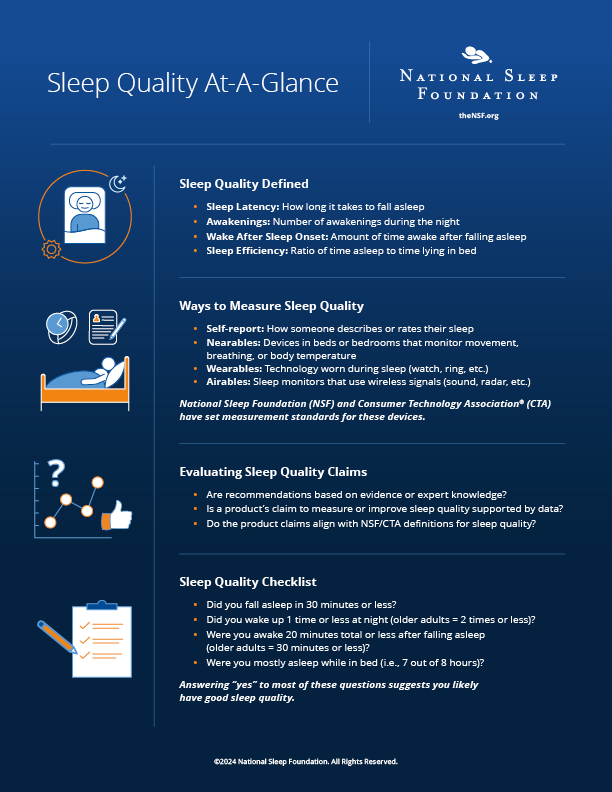
Sleep trackers try to guess which stage you are in throughout the night. Most popular trackers are worn on your wrist or placed under your pillow. Some use your phone’s sensors. But how do they actually measure your sleep?
Types Of Sleep Trackers
- Wearable trackers: These are watches or bands, like Fitbit or Apple Watch. They use motion sensors (called accelerometers) to track your movement. Some also measure heart rate.
- Bedside or under-mattress trackers: These devices sense movement or breathing from below you.
- Phone-based trackers: These use your phone’s microphone or motion sensors placed on your mattress.
What Data Do Sleep Trackers Collect?
Most sleep trackers use:
- Movement: Less movement means deeper sleep.
- Heart rate: Slower heart rate often means deeper stages.
- Breathing patterns: Some advanced trackers estimate sleep stages using your breathing.
But here’s a key point: Consumer sleep trackers cannot directly measure your brain activity. Only medical sleep studies (polysomnography) can do that, using electrodes.
The Promise Of Smart Alarms
Many sleep trackers come with a feature called a smart alarm. This is supposed to wake you up during your lightest sleep stage, within a set time window (for example, between 6:30 and 7:00 AM). The idea is simple: By avoiding deep sleep, you wake up more refreshed.
How Does A Smart Alarm Work?
- You set a time window (for example, a 30-minute window before your latest wake-up time).
- The tracker monitors your sleep stages using movement and heart rate.
- When you are in a “light” sleep stage, the alarm goes off.
This process is based on the assumption that the tracker can correctly identify your lightest sleep phase.
How Accurate Are Sleep Trackers?
Sleep trackers are convenient, but their accuracy is often questioned. Most consumer devices do not track sleep stages perfectly. They can mistake lying still for deep sleep, or moving a lot for being awake.
Comparing Sleep Tracker Accuracy
Here’s a look at how popular trackers compare to medical sleep studies:
| Device Type | Measures | Accuracy for Sleep Stages |
|---|---|---|
| Wearable Tracker | Movement, Heart Rate | Moderate |
| Bedside Sensor | Movement, Breathing | Moderate |
| Polysomnography (Lab Test) | Brain Waves, Eye Movement, Muscle Activity | High |
A 2020 review in the journal Sleep Medicine Reviews found that consumer trackers can estimate total sleep time fairly well, but are less accurate at tracking sleep stages. This means the smart alarm feature may sometimes wake you in deep sleep by mistake.
Do Sleep Trackers Really Wake You Up At The Best Time?
The big question is whether these devices can do what they promise. The answer is both yes and no.
The Benefits
- More gentle wake-ups: If the smart alarm works as intended, you might wake up during light sleep and feel less shocked or tired.
- Better sleep awareness: Tracking sleep can help you notice patterns and improve your habits.
- Flexibility: Some people find it easier to set a window (for example, “wake me up between 6:30 and 7”) rather than a fixed time.
The Limitations
- Limited accuracy: Trackers cannot measure brain waves, which is the gold standard for knowing your sleep stage.
- Possible false alarms: Movement and heart rate can change for reasons other than sleep stages, like dreams or turning over.
- Not personalized: Trackers use general formulas. People’s sleep cycles are unique, and not everyone fits the same pattern.
Most studies suggest that while smart alarms can sometimes wake you at a better time, they are not perfect. You may notice some mornings feel better, but not always.
Who Benefits Most From Smart Alarms?
Not everyone will see the same results from sleep trackers. Some people find them very helpful, while others do not notice much difference.
Good Candidates For Smart Alarms
- Light sleepers: If you wake up easily, a smart alarm may help you avoid deep sleep wake-ups.
- People with flexible schedules: If you don’t need to wake up at an exact time, the alarm can choose a better moment.
- Self-improvers: If you like tracking data and learning about your sleep, these devices can be motivating.
Who Might Not Benefit
- Heavy sleepers: If you sleep deeply, the tracker may not detect your light sleep stages accurately.
- Strict schedules: If you need to wake up at a fixed time every day, the “window” feature may not help.
- People with sleep disorders: Trackers are not a substitute for medical advice.
Common Mistakes When Using Sleep Trackers
Many people start using sleep trackers without knowing their limits. Here are mistakes to avoid:
- Trusting the data too much: Trackers are not perfect. Use the information as a guide, not as absolute truth.
- Chasing “good” scores: Focusing too much on sleep scores can cause stress. Quality sleep is more than just numbers.
- Ignoring your body: How you feel is more important than what your device says.
- Forgetting about sleep hygiene: No device can fix poor sleep habits like late-night screen time or caffeine.
Practical Tips To Get The Most From Your Sleep Tracker
To get real benefits, use your sleep tracker as a tool, not a magic solution. Here are ways to improve your results:
- Set a realistic window: Give the smart alarm at least 20–30 minutes to find your best wake time.
- Combine with good habits: Go to bed at a regular time, avoid caffeine late in the day, and keep your bedroom dark and cool.
- Track for patterns, not perfection: Look for trends over weeks, not just daily numbers.
- Update your settings: Some devices let you adjust sensitivity. Experiment to see what works for you.
- Don’t use with serious sleep issues: If you have insomnia or sleep apnea, see a doctor.
Real-world Examples
Some users report a noticeable difference after switching to a smart alarm. For example, Anna, a 32-year-old teacher, says she feels “less like a zombie” when her tracker wakes her during light sleep. But her partner, who sleeps deeply, noticed no change. This shows the experience can be very personal.
In a small study by the University of Helsinki, participants using smart alarms rated their mornings as slightly more refreshed on average, but not every day. Consistency was not guaranteed.
Comparing Popular Sleep Trackers With Smart Alarm Features
Let’s see how three popular sleep trackers approach smart alarms:
| Device | Smart Alarm Feature | Unique Approach |
|---|---|---|
| Fitbit | Silent alarm, 30-min window | Uses heart rate and movement |
| Garmin | Vibration alarm, flexible window | Focuses on movement patterns |
| Sleep Cycle App | Sound alarm, 10–90 min window | Uses phone sensors, can record snoring |
Each device uses a slightly different method, but the core idea is the same: Wake you up gently, not suddenly.

Two Insights Beginners Usually Miss
First, sleep quality matters more than wake timing. Even the perfect smart alarm cannot fix poor sleep habits. If you go to bed late, drink too much caffeine, or use your phone in bed, a smart alarm can only do so much.
Second, sleep cycles can change night to night. Stress, illness, alcohol, and even what you ate can make your cycles longer or shorter. This means no tracker can guarantee a perfect wake-up every day. It’s normal to have off days.
What The Science Says
The science behind smart alarms is still evolving. While there are studies showing that waking up during light sleep feels better, most research also points out the limits of current technology. A review by the National Institutes of Health explains that consumer sleep trackers are helpful for basic monitoring, but not a replacement for medical testing (NIH Review).
Should You Try A Sleep Tracker?
If you are curious, it’s worth trying a sleep tracker for a few weeks. Notice how you feel, both when you wake up and during the day. Remember, no device can replace good sleep habits. Smart alarms can be a helpful tool, but they are not a magic solution.
The best way to wake up refreshed is still a mix of enough sleep, regular routines, and healthy choices. Technology can help, but your body’s own signals are the most reliable guide.
Frequently Asked Questions
How Does A Sleep Tracker Know When To Wake Me Up?
Sleep trackers use movement and sometimes heart rate to guess your sleep stage. When they sense you are in light sleep during your chosen window, they trigger the alarm.
Are Sleep Trackers Safe To Use Every Night?
Yes, most consumer sleep trackers are safe. They use sensors like accelerometers and heart rate monitors, which are non-invasive.
Can A Sleep Tracker Help With Insomnia?
Sleep trackers can give you some information about your sleep habits, but they cannot treat insomnia. If you have ongoing sleep problems, see a doctor.
Is It Better To Wake Up Naturally Or Use A Smart Alarm?
Waking up naturally is ideal, but not always possible. A smart alarm can help you wake up at a better time if your schedule allows for a flexible window.
Do Sleep Trackers Work For Everyone?
No, results vary. Some people feel a big difference, others do not. It depends on your sleep style, device accuracy, and habits.
Waking up at the best time is not just about technology—it’s about understanding your body, building good sleep habits, and using tools like sleep trackers as a helpful assistant, not a cure-all.


