Every year, millions of people use sleep trackers to understand their sleep patterns and improve their health. These devices are everywhere—on wrists, in beds, and even inside smartphones. But as technology gets smarter, a common question appears: Can sleep trackers track stress levels? Many hope that by wearing a sleep tracker, they can get insights into their daily stress and how it affects their sleep. Let’s explore how sleep trackers work, what they actually measure, and whether they can reliably track stress.
How Sleep Trackers Work
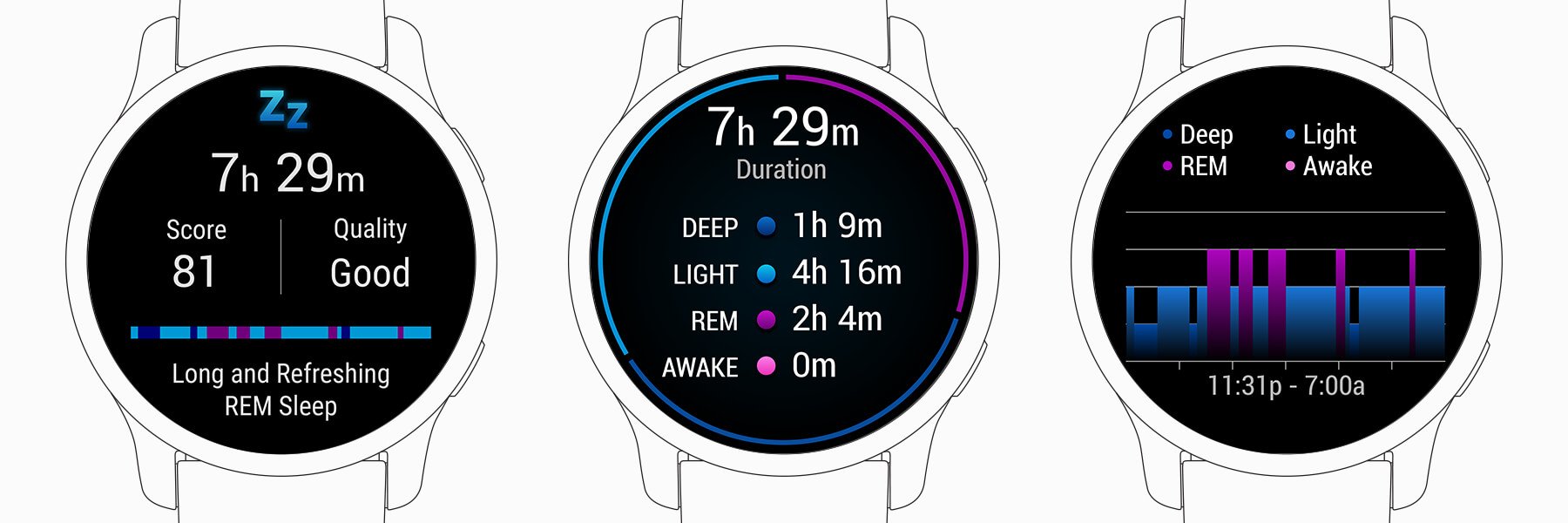
Sleep trackers use sensors to monitor your body while you sleep. Most wearable trackers (like smartwatches or fitness bands) rely on accelerometers to detect movement. More advanced devices include heart rate monitors and skin temperature sensors.
- Accelerometer: Tracks movement to guess sleep stages.
- Heart rate sensor: Measures beats per minute, sometimes used for detecting stress.
- SpO2 sensor: Checks blood oxygen levels, important for sleep quality.
- Skin temperature sensor: Detects temperature changes, which can signal stress.
Some trackers are placed under your mattress or pillow. These use vibrations and pressure changes to estimate sleep phases. Smartphone apps, on the other hand, use the phone’s microphone or accelerometer.
What Sleep Trackers Measure
To understand if sleep trackers can monitor stress, it’s important to know what they actually track:
- Sleep duration: Total hours slept.
- Sleep stages: Light, deep, and REM sleep.
- Heart rate: Average and changes during sleep.
- Movement: Tossing, turning, waking up.
- Breathing rate: Some advanced models.
- Snoring and sounds: With microphone-based trackers.
These data points help build a picture of your sleep quality and patterns. But stress is not a direct measurement—it’s often inferred from other signals.
Stress And Sleep: The Connection
Stress can affect sleep in many ways. When you are stressed, your body produces cortisol, a hormone that keeps you alert. High cortisol can make it hard to fall asleep or stay asleep. People with chronic stress often report poor sleep quality, more awakenings, and lighter sleep.
Here are some ways stress shows up during sleep:
- Increased heart rate
- Higher breathing rate
- Restless movements
- Trouble entering deep sleep
These signs are measurable, but they are not exclusive to stress. Illness, caffeine, or exercise can also affect these signals.
Can Sleep Trackers Detect Stress?
Most sleep trackers do not measure stress directly. Instead, they use indirect signals like heart rate variability (HRV), movement, and sleep disturbances. Some brands claim they can detect stress, but the science is still developing.
Heart Rate Variability (hrv)
HRV is the variation in time between heartbeats. When you are relaxed, your HRV is high. When stressed, HRV drops. Many sleep trackers now measure HRV, especially during sleep, as a sign of recovery and stress.
Example: Fitbit’s Stress Tracking
Fitbit devices offer a “stress management score.” This is based on:
- HRV during sleep
- Resting heart rate
- Sleep quality
- Activity level
The score is not a direct measure of stress, but an estimate based on these factors. Fitbit and other brands recommend using this score as a guide, not a medical diagnosis.
Example: Oura Ring’s Readiness Score
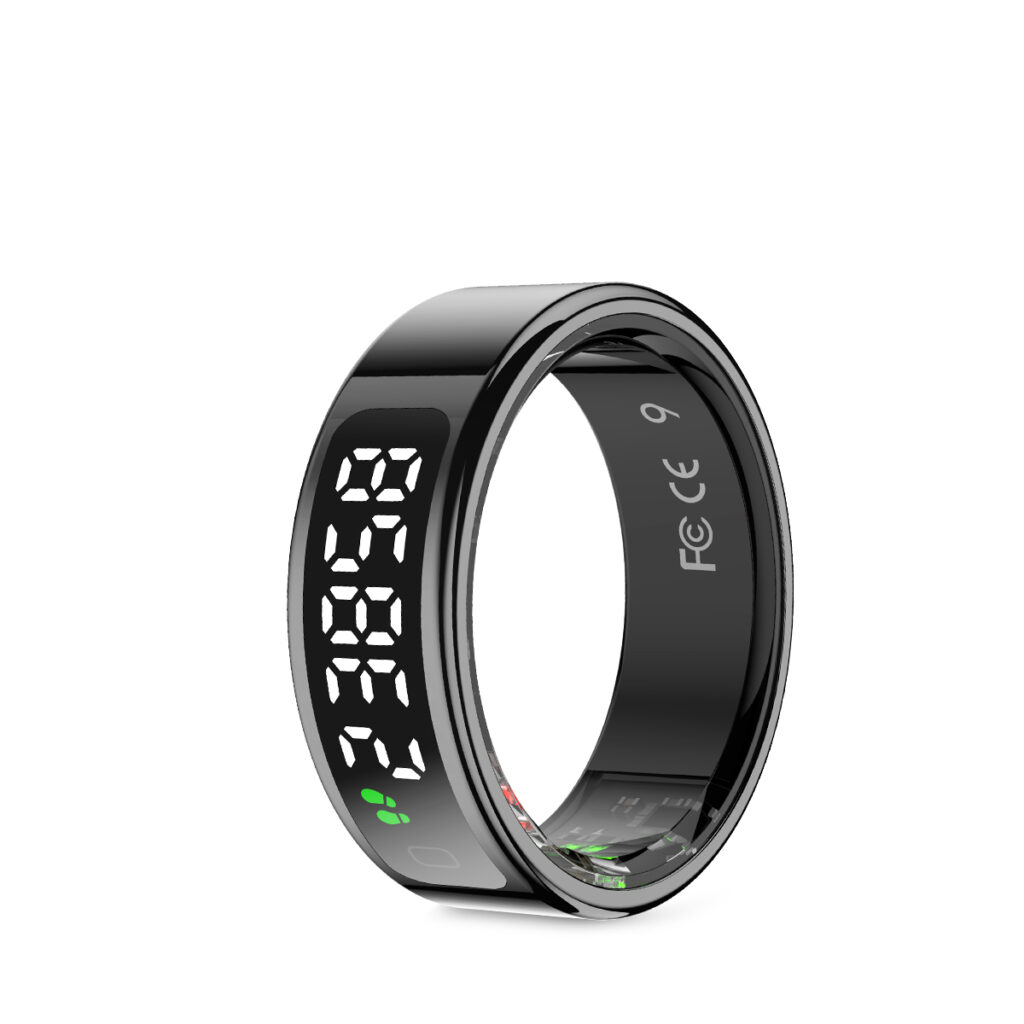
The Oura Ring gives a “readiness score,” which includes HRV, sleep quality, and temperature. If your HRV drops or sleep quality falls, the ring suggests you may be under stress.
Limitations
Sleep trackers cannot measure cortisol or other hormones directly. They rely on patterns and correlations. For example, if you have a restless night and low HRV, the tracker might flag possible stress—but it cannot say for sure.
Which Sleep Trackers Offer Stress Insights?
Not all sleep trackers offer stress-related data. Here is a comparison of popular devices:
| Device | Stress Tracking | Key Features |
|---|---|---|
| Fitbit Charge 5 | Yes (HRV-based) | Heart rate, sleep stages, HRV, skin temp |
| Oura Ring Gen 3 | Indirect (Readiness Score) | HRV, temperature, sleep quality |
| Apple Watch Series 8 | Partial (Mindfulness app) | Heart rate, sleep tracking, ECG |
| Garmin Vivosmart 5 | Yes (Stress Score) | HRV, heart rate, sleep stages |
| Xiaomi Mi Band 7 | Yes (Basic stress score) | Heart rate, SpO2, sleep tracking |
Devices with HRV tracking offer the most useful stress-related insights. However, accuracy varies widely.
How Reliable Is Stress Tracking?
Sleep trackers are improving every year, but stress tracking is still not perfect. Several factors can affect accuracy:
- Sensor quality: Cheap trackers may not measure HRV well.
- Fit and placement: Loose devices can miss heartbeats.
- Movement: If you move a lot, data can be noisy.
- Daily habits: Exercise, caffeine, and illness can confuse the tracker.
A study by the National Institutes of Health found that wearable HRV sensors are about 80% accurate compared to medical devices, but only when worn correctly and used regularly.
Data Table: Hrv Accuracy In Wearables
Here’s how different devices compare for HRV accuracy (based on research studies):
| Device | HRV Accuracy (%) | Research Source |
|---|---|---|
| Fitbit Charge 5 | 77% | NIH Study 2022 |
| Oura Ring Gen 3 | 82% | Stanford 2023 |
| Apple Watch Series 8 | 80% | Harvard 2022 |
This shows that even the best consumer devices are not as accurate as medical tools. They can still help you spot trends.
Stress Tracking Vs. Professional Methods
Professional stress measurement uses blood tests, saliva samples (for cortisol), and ECGs. Sleep trackers are more convenient but less precise.
- Medical tests: Measure cortisol and other hormones.
- ECG: Gives precise HRV data.
- Sleep trackers: Estimate HRV and patterns.
Sleep trackers are useful for everyday monitoring but should not replace medical advice.
How To Use Sleep Trackers For Stress
If you want to use a sleep tracker to monitor stress, here are some practical steps:
- Wear the tracker consistently: Data improves with regular use.
- Check HRV and sleep scores daily: Look for trends, not single numbers.
- Combine with other signs: Mood, energy, and physical symptoms.
- Use mindfulness features: Many trackers offer breathing exercises.
- Avoid over-interpreting: Remember, the score is a guide.
Practical Example
Suppose your tracker shows a drop in HRV and restless sleep for three nights. You also notice you feel anxious and tired. This pattern suggests stress. Try relaxation techniques and see if your scores improve.
Common Mistakes When Using Sleep Trackers
Many beginners make mistakes that lead to confusion. Here are a few:
- Expecting perfect accuracy: Consumer devices cannot match medical tools.
- Ignoring context: HRV drops after exercise, illness, or travel.
- Over-analyzing daily scores: Focus on weekly trends.
- Not wearing the tracker correctly: Loose or misplaced devices can give wrong data.
Two Non-obvious Insights
- Stress tracking is affected by your sleep environment: Hot rooms, noisy spaces, or uncomfortable beds can cause restless sleep and lower HRV, making it hard to know if stress is the cause.
- Night-time HRV is more reliable for stress tracking than day-time HRV: Your body is relaxed during sleep, so HRV reflects your true recovery better than during the day, when activity and emotions change readings.
Data Table: Sleep Tracker Features For Stress Monitoring
To help you choose, here’s a comparison of key features that matter for stress monitoring:
| Feature | Importance for Stress Tracking | Why it Matters |
|---|---|---|
| Heart Rate Variability (HRV) | High | Directly linked to stress and recovery |
| Skin Temperature | Medium | Can indicate stress spikes |
| Sleep Stage Detection | Medium | Shows impact of stress on deep sleep |
| Breathing Rate | Low | Useful but less direct |
HRV is the most important feature. Skin temperature and sleep stages help, but are less direct.

Should You Trust Sleep Tracker Stress Scores?
Sleep tracker stress scores are useful guides, not medical diagnoses. If you notice trends—like low HRV, restless sleep, and feeling tired—your tracker is probably showing signs of stress. But always consider other factors: lifestyle, environment, and health.
If you have serious symptoms (like insomnia, anxiety, or chest pain), see a doctor. Trackers are for everyday monitoring, not for diagnosing disease.
For more on HRV and stress, see this Wikipedia article.
Frequently Asked Questions
Can All Sleep Trackers Measure Stress?
No. Only trackers with HRV sensors and advanced algorithms offer stress estimates. Basic trackers without heart rate sensors cannot track stress.
How Accurate Are Sleep Tracker Stress Scores?
Stress scores are estimates based on HRV, sleep quality, and movement. They are about 80% accurate compared to medical devices, but can be affected by many factors.
What Is Hrv And Why Is It Important?
Heart Rate Variability (HRV) is the variation in time between heartbeats. High HRV means your body is relaxed and recovering well. Low HRV suggests stress or poor recovery.
Can Sleep Trackers Replace Medical Stress Tests?
No. Sleep trackers are convenience tools. For serious stress or health problems, medical tests are needed.
How Can I Improve Stress Scores On My Sleep Tracker?
Try these steps:
- Practice relaxation before bed
- Avoid caffeine in the evening
- Keep a regular sleep schedule
- Use your tracker’s mindfulness features
Sleep trackers can help you spot stress patterns and improve your sleep, but they are not perfect. Use them as part of your daily health routine, and focus on trends rather than single numbers. When used wisely, they can be powerful tools for understanding how stress affects your sleep and well-being.

