
Many people struggle with sleep disorders. Some wake up tired, others can’t fall asleep, and a few wake up often during the night. With technology growing fast, sleep trackers are now found on wrists, under pillows, and even inside mattresses.
But do these gadgets really help with sleep disorders, or are they just clever toys? This article dives deep into how sleep trackers work, what they can do, and where they fall short. By the end, you’ll know if these devices could make a real difference for your sleep health.
Understanding Sleep Disorders
Sleep disorders are not just about feeling sleepy during the day. These are medical conditions that affect the quality, timing, or length of sleep. Some common types include:
- Insomnia (trouble falling or staying asleep)
- Sleep apnea (breathing stops and starts during sleep)
- Restless leg syndrome (uncomfortable leg sensations)
- Narcolepsy (sudden sleep attacks)
These disorders can cause fatigue, poor memory, mood changes, and even raise the risk of heart disease or diabetes. Many people don’t realize they have a sleep disorder until it starts to affect their daily life. Diagnosing these conditions usually needs a doctor and sometimes special sleep studies in a clinic.
What Are Sleep Trackers?
Sleep trackers are devices or apps that record sleep patterns. They measure things like:
- Total sleep time
- Time spent in different sleep stages (light, deep, REM)
- Number of awakenings
- Heart rate and breathing
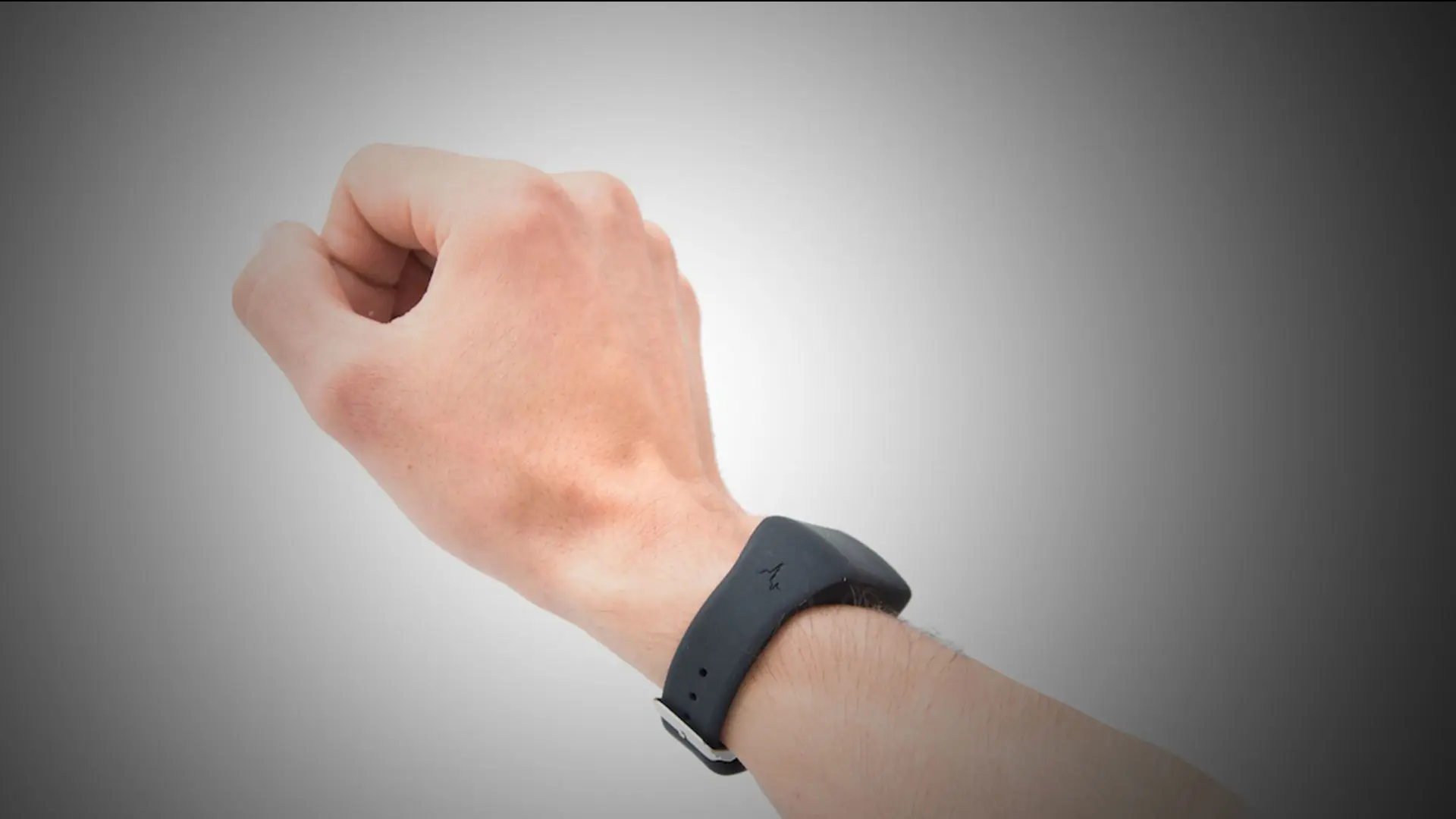
Most trackers come as wristbands, smartwatches, rings, or sensors placed under the mattress. Some use your phone to listen for noise or movement. These gadgets use sensors such as accelerometers (to detect movement), optical sensors (for heart rate), or microphones (for breathing sounds).
How Sleep Trackers Collect Data
A wrist-based tracker, for example, senses tiny movements you make while sleeping. If you move a lot, the device thinks you are awake or in light sleep. If you are still, it assumes you are in deep sleep. Heart rate sensors can show if your heart is calm (deep sleep) or active (REM sleep).
Some advanced trackers use both movement and heart data for better accuracy.
Smartphone apps often use the microphone to record snoring or breathing. Mattress pads can feel your body pressure and notice when you turn over.
The Promise: How Sleep Trackers Claim To Help
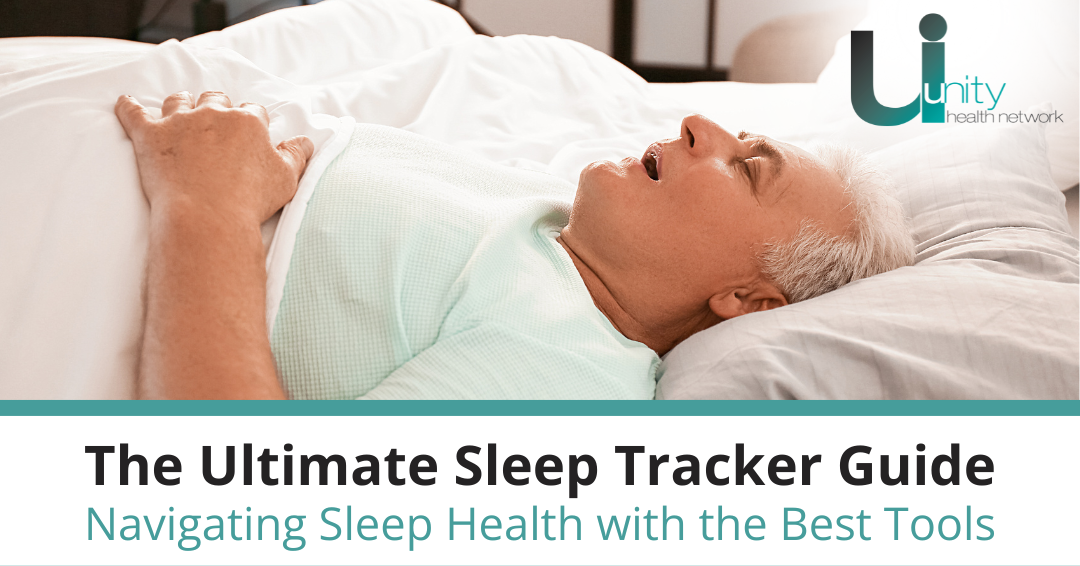
Sleep trackers promise to reveal your sleep habits and offer ways to improve. Some of the main claims include:
- Identifying poor sleep patterns: If you see you wake up a lot or get little deep sleep, you might adjust your bedtime routine.
- Detecting possible disorders: Repeated low oxygen or odd heart rates might suggest sleep apnea.
- Improving sleep hygiene: Trackers remind you to keep a regular bedtime or avoid screens before sleep.
- Motivation and accountability: Daily reports and sleep scores can push you to work on your sleep.
- Sharing data with doctors: Some devices let you export your data for professional review.
But do these claims hold up in real life, especially for people with sleep disorders? Let’s look at the evidence.
What Science Says About Sleep Trackers And Disorders
Accuracy Compared To Medical Tests
The gold standard for sleep studies is polysomnography. This test measures brain waves, eye movements, muscle activity, heart rate, and more in a clinic. It’s very accurate but expensive and not easy to repeat often.
Sleep trackers are much easier to use but less detailed. Research shows:
- Trackers are good at measuring total sleep time but less reliable for sleep stages.
- They can miss brief awakenings or overestimate deep sleep.
- Some trackers wrongly record lying still (but awake) as sleep.
In a 2020 study, consumer devices like Fitbit and Apple Watch were compared to medical sleep studies. Trackers were within 30 minutes of the clinic results for total sleep time, but were less accurate for deep or REM sleep.
Can They Spot Real Sleep Disorders?
For insomnia, trackers can help you see how much sleep you get, but they can’t show why you can’t sleep. For sleep apnea, some advanced trackers with pulse oximeters may notice drops in oxygen, but they can’t replace a full medical test.
If you have restless leg syndrome, movement sensors may record frequent body shifts. But the tracker can’t tell if you woke up because of leg discomfort or something else.
The Power Of Sleep Data For Self-awareness
Even if sleep trackers are not perfect, they can help you notice patterns. For example:
- If you see your sleep score drops after late-night coffee, you may avoid caffeine at night.
- If your tracker shows you wake up often, you may try changing your pillow or bedroom temperature.
This self-awareness can be the first step to better sleep. Sometimes, simple habits make a big difference.
Benefits Of Using Sleep Trackers For Sleep Disorders
Tracking Changes Over Time
One big benefit is the ability to watch your sleep trends. If you start a new medicine or routine, you can see if your sleep improves or gets worse. For people with insomnia or anxiety, tracking can show progress and keep you motivated.
Supporting Your Doctor
Bringing sleep tracker data to your doctor can help start a conversation. It’s not a diagnosis, but it gives a snapshot of your sleep at home. Doctors may use this info to decide if you need more tests.
Building Good Sleep Habits
Many trackers offer reminders, tips, and even relaxing sounds to help you wind down. These small tools can support healthy routines, which are often the first step in treating sleep disorders.
The Limits And Risks Of Sleep Trackers
Not A Substitute For Medical Diagnosis
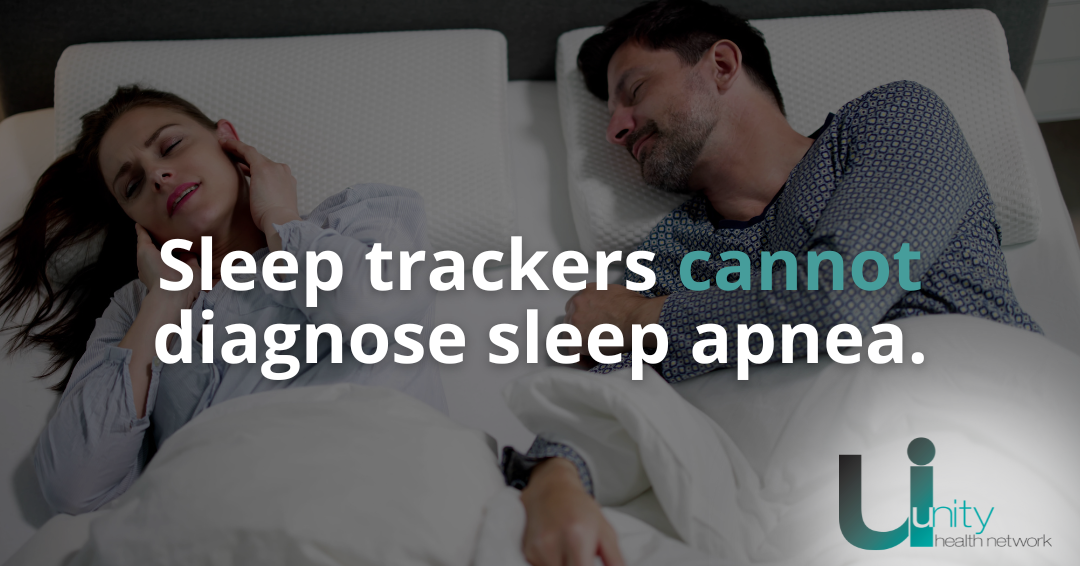
No matter how smart, a sleep tracker cannot diagnose conditions like sleep apnea, narcolepsy, or serious insomnia. These devices do not measure brain waves, which are key for true diagnosis.
False Alarms And Anxiety
Sometimes, trackers can cause unnecessary worry. If your device says you slept poorly, you may feel tired even if you are okay. This is called “orthosomnia”—worrying too much about sleep data.
Data Privacy Concerns
Trackers collect sensitive information about your body and habits. Some people worry about how companies store or use this data. Always check the privacy rules before buying a device.
Cost And Comfort
High-end sleep trackers can be expensive. Some people find wristbands or rings uncomfortable to wear all night. Mattress-based sensors are less intrusive but can be costly.
Comparing Different Types Of Sleep Trackers
Choosing the right sleep tracker depends on your needs and comfort. Here is a simple comparison of popular types:
| Type | How It Works | Best For | Main Limitations |
|---|---|---|---|
| Wristband/Watch | Tracks movement, heart rate | General sleep tracking | Can be uncomfortable; limited accuracy for sleep stages |
| Ring | Tracks heart rate, movement, temperature | Comfort, 24/7 wear | Expensive; may not fit all fingers |
| Under-mattress sensor | Senses body movement, heart rate, breathing | No-wear option | Expensive; may not work with all beds |
| Phone app | Uses microphone, movement sensors | Budget, simple use | Less accurate; can’t measure heart rate |
Key Features To Look For In A Sleep Tracker
If you decide to try a sleep tracker, focus on these features:
- Comfort: You must wear (or use) it every night. If it’s annoying, you won’t use it.
- Battery life: Some trackers need charging daily, others last a week or more.
- Data accuracy: Look for devices tested in studies or with medical approval.
- App support: The app should be easy to use and show clear reports.
- Integration: Some trackers work with other health apps or let you share data with doctors.
Here’s a summary of how a few top trackers compare:
| Tracker | Comfort | Sleep Stage Tracking | Heart Rate | Price Range |
|---|---|---|---|---|
| Fitbit | Wristband, medium comfort | Yes | Yes | $$ |
| Oura Ring | Ring, high comfort | Yes | Yes | $$$ |
| Withings Sleep Pad | Under mattress, high comfort | Yes | Yes | $$$ |
| Apple Watch | Wrist, medium comfort | Yes | Yes | $$$ |
Common Mistakes When Using Sleep Trackers
Many beginners make the same errors with sleep trackers:
- Trusting the data blindly: No tracker is perfect. Use the trends, not single-night results.
- Ignoring comfort: If you can’t sleep with it, it’s not useful.
- Not acting on advice: Trackers give tips, but only you can change your habits.
- Sharing too much data: Be careful with privacy settings.
A less obvious mistake is comparing your sleep to others online. Everyone’s sleep needs and patterns are different.
Practical Tips For Getting The Most From A Sleep Tracker
- Use it for at least two weeks before making changes. One or two nights are not enough to see real patterns.
- Combine tracker data with a sleep diary. Write down what you eat, drink, or do before bed. This helps you spot what affects your sleep.
- Share your results with a doctor if you have ongoing sleep problems, especially if you feel tired during the day.
- Try small changes like changing bedtime, avoiding caffeine, or using blackout curtains. See if your sleep improves.
- Don’t stress about the numbers. Use the tracker as a guide, not a judge.
When To See A Doctor
If your sleep tracker shows:
- Very low sleep time (less than 5 hours most nights)
- Very high wake-ups (more than 4-5 times per night)
- Signs of sleep apnea (loud snoring, choking, or stopped breathing)
- Extreme fatigue even with enough sleep
Then you should see a sleep specialist. Trackers can help spot a problem, but only a doctor can diagnose and treat it.
Are Sleep Trackers Worth It For People With Sleep Disorders?
Sleep trackers can be a helpful tool for many people with sleep problems. They give you a window into your sleep and help you build better habits. For mild insomnia, stress, or poor routines, they are often enough to see real change.
For serious sleep disorders, however, they cannot replace a doctor’s care or a full sleep study.
One insight many miss: Sleep trackers are best for monitoring trends, not single nights. Also, the best change often comes from using the data to change habits, not just watching the numbers.
For more on sleep science and technology, read this detailed guide on sleep monitoring.
Frequently Asked Questions
How Accurate Are Sleep Trackers Compared To Medical Sleep Studies?
Sleep trackers are fairly accurate for total sleep time, but not as precise for sleep stages or short awakenings. They cannot match the detail of clinic tests that use brain waves and more sensors.
Can Sleep Trackers Diagnose Sleep Apnea Or Other Disorders?
No, trackers can only hint at possible issues. For example, some may show changes in heart rate or breathing, but only a doctor can diagnose sleep apnea or other medical sleep disorders.
Are There Any Risks To Using Sleep Trackers?
The main risks are data privacy and increased anxiety about sleep. Some people also find the devices uncomfortable, which can disturb sleep.
How Can I Use My Sleep Tracker Data To Improve My Sleep?
Look for patterns over weeks, not just single nights. Try adjusting your habits (like bedtime, caffeine, or screen time) and see if your sleep improves. Share your results with a doctor if needed.
What Features Should I Focus On When Buying A Sleep Tracker?
Choose a tracker that is comfortable, has good battery life, and offers clear, useful data. Make sure the app is easy to use and that your data is kept private.
If you’re thinking about using a sleep tracker to help with sleep disorders, remember: these devices are tools, not cures. Used wisely, they can guide you to better sleep and better health.

