
Every year, millions of people struggle with falling asleep or staying asleep. Insomnia, the most common sleep disorder, affects nearly one in three adults at some point in their lives. With the rise of wearable technology and smart devices, many hope that sleep trackers can help identify and manage insomnia. But are these gadgets truly up to the task, or do they simply offer a rough guide to our nights? Let’s explore whether sleep trackers can detect insomnia, how they work, their limitations, and what you need to know before relying on them for better sleep health.
How Sleep Trackers Work
Understanding whether sleep trackers can spot insomnia starts with knowing how these devices collect and analyze data. Most sleep trackers use a mix of sensors to monitor your body and environment during the night. Common devices include smartwatches, fitness bands, and under-the-mattress sensors. Here’s what they typically measure:
- Movement: Using accelerometers, trackers detect tossing, turning, and restlessness.
- Heart rate: Optical sensors track your heart rate, which changes during different sleep stages.
- Breathing patterns: Some advanced trackers use microphones or other sensors to monitor breathing.
- Environmental factors: Temperature, light, and noise sensors help detect factors that might disrupt sleep.
Some devices combine several of these features to estimate when you fall asleep, how long you sleep, and how often you wake up. These measurements are then processed with algorithms to guess your sleep stages—such as deep sleep, light sleep, and REM sleep.
What Is Insomnia?
Insomnia is more than just a bad night’s sleep. It’s a condition where a person regularly struggles to fall asleep, stay asleep, or wakes up too early and cannot get back to sleep. Key symptoms include:
- Difficulty falling asleep at night
- Waking up frequently during the night
- Waking up too early in the morning
- Daytime tiredness, irritability, or trouble concentrating
To be diagnosed with insomnia, these problems usually must occur at least three times a week for at least three months. Insomnia can be acute (short-term, often due to stress or life events) or chronic (lasting for months or more).
Can Sleep Trackers Accurately Detect Insomnia?
Sleep trackers are designed to estimate sleep patterns, but detecting insomnia is much more complicated. Here’s why:
What Sleep Trackers Can Measure Well
Sleep trackers are quite good at:
- Measuring total sleep time: They can estimate how long you spend in bed and how much of that time you are asleep.
- Tracking sleep interruptions: They record how often you toss, turn, or leave the bed, which can show frequent waking.
- Showing sleep trends: Over days or weeks, they reveal patterns, such as going to bed late or waking up early.
These measurements can help you see if your sleep is often disrupted or shorter than it should be.
What Sleep Trackers Can’t Do Well
However, most sleep trackers struggle with:
- Detecting why you can’t sleep: They can’t tell if your sleeplessness is due to stress, pain, anxiety, or medical conditions.
- Measuring sleep onset: It’s hard for trackers to know exactly when you fall asleep, especially if you lie still but are awake.
- Identifying sleep stages: While some claim to detect light, deep, and REM sleep, most consumer trackers are not very accurate compared to medical-grade sleep studies.
Data Accuracy: Consumer Vs. Clinical Devices
To see how sleep trackers compare to professional sleep studies, consider the following data:
| Device Type | Accuracy for Total Sleep Time | Accuracy for Sleep Stages | Ability to Diagnose Insomnia |
|---|---|---|---|
| Consumer Wearables (e.g., Fitbit, Apple Watch) | 80-90% | 50-70% | No |
| Polysomnography (Sleep Lab Test) | 95-99% | 95-98% | Yes |
Consumer sleep trackers do a fair job with total sleep time but fall short on detecting different sleep stages and cannot diagnose medical conditions like insomnia.
How Sleep Trackers May Help People With Insomnia
Even though sleep trackers can’t diagnose insomnia, they can still be valuable tools for people who suspect they have sleep issues.
Spotting Patterns
By reviewing your sleep data over weeks, you may notice patterns:
- Regularly going to bed late
- Waking up at similar times each night
- Low total sleep over several days
These patterns are useful when discussing your sleep with a doctor.
Supporting Sleep Hygiene
Trackers often offer tips and reminders, like:
- Going to bed at the same time each night
- Limiting screen time before bed
- Reducing caffeine in the evening
Following these suggestions may help improve your sleep quality.
Sharing Data With Doctors
Some sleep trackers allow you to export your sleep history. Bringing this data to a healthcare provider can help them understand your sleep habits and recommend next steps.
The Limitations Of Sleep Trackers For Insomnia
Sleep trackers have clear limitations when it comes to detecting and managing insomnia:
Not A Medical Diagnosis
While trackers can show sleep patterns, they cannot diagnose insomnia. A diagnosis requires a careful review of your symptoms, medical history, and sometimes a clinical sleep study.
Inaccurate For Some People
Trackers can be less accurate for:
- People who lie still while awake (the tracker may think you’re asleep)
- People with movement disorders or other medical conditions
- Those who sleep in short bursts (fragmented sleep can confuse the device)
Over-reliance On Data
Focusing too much on sleep data can create sleep anxiety. Some people become so worried about their numbers that they sleep worse—a phenomenon called “orthosomnia.”
Missing Context
Trackers can’t know about:
- Stressful events in your life
- Emotional health
- Use of medications
- Other health conditions
This missing context means the data is only part of the story.
What The Science Says
Several studies have compared consumer sleep trackers to medical devices. One review published in the journal “Sleep” found that consumer wearables are reasonably accurate for detecting total sleep time, but their accuracy drops for sleep stages and awakenings. Another study in “Nature and Science of Sleep” reported that trackers can’t replace professional diagnosis but may help people notice sleep patterns that need attention.
A practical example: If your tracker shows you’re only sleeping five hours each night for a month, and you feel tired during the day, that’s a sign to talk to a doctor. However, if the tracker says you slept poorly one night, it doesn’t mean you have insomnia.
For more in-depth research, you can visit the official site of the Sleep Foundation.

Comparing Popular Sleep Trackers
Many people ask which sleep tracker is best for understanding sleep problems. Here’s a look at how popular devices compare on key features:
| Device | Sensors | Sleep Stage Detection | Data Sharing | Special Features |
|---|---|---|---|---|
| Fitbit Charge Series | Movement, heart rate | Basic | Yes | Sleep score, smart alarm |
| Apple Watch | Movement, heart rate | Basic | Yes | Integration with Health app |
| Oura Ring | Movement, heart rate, temperature | Advanced | Yes | Sleep trends, readiness score |
| Withings Sleep Mat | Movement, heart rate, breathing | Intermediate | Yes | Snore detection, sleep environment |
While all these devices can help you track your nights, none are certified to diagnose sleep disorders. Some users find the Oura Ring or Withings Sleep Mat provide more detailed data, but the results should always be interpreted with caution.
Non-obvious Insights For Beginners
Many new users expect sleep trackers to give clear answers, but here are two important things that are often missed:
- Correlation Does Not Equal Causation: If your tracker reports poor sleep, it doesn’t always mean you have insomnia. External factors like stress, noise, or illness can affect your sleep for a few nights.
- Subjective vs. Objective Sleep: Some people feel tired even if their tracker shows enough sleep. This is called “paradoxical insomnia.” How you feel during the day is as important as the data your device shows.

When To See A Doctor
If you notice any of these signs, it’s time to consult a healthcare provider:
- You regularly get less than six hours of sleep and feel tired most days
- You’ve tried improving sleep habits, but nothing changes
- You feel anxious or depressed about sleep
- Your sleep tracker data shows severe disruptions for several weeks
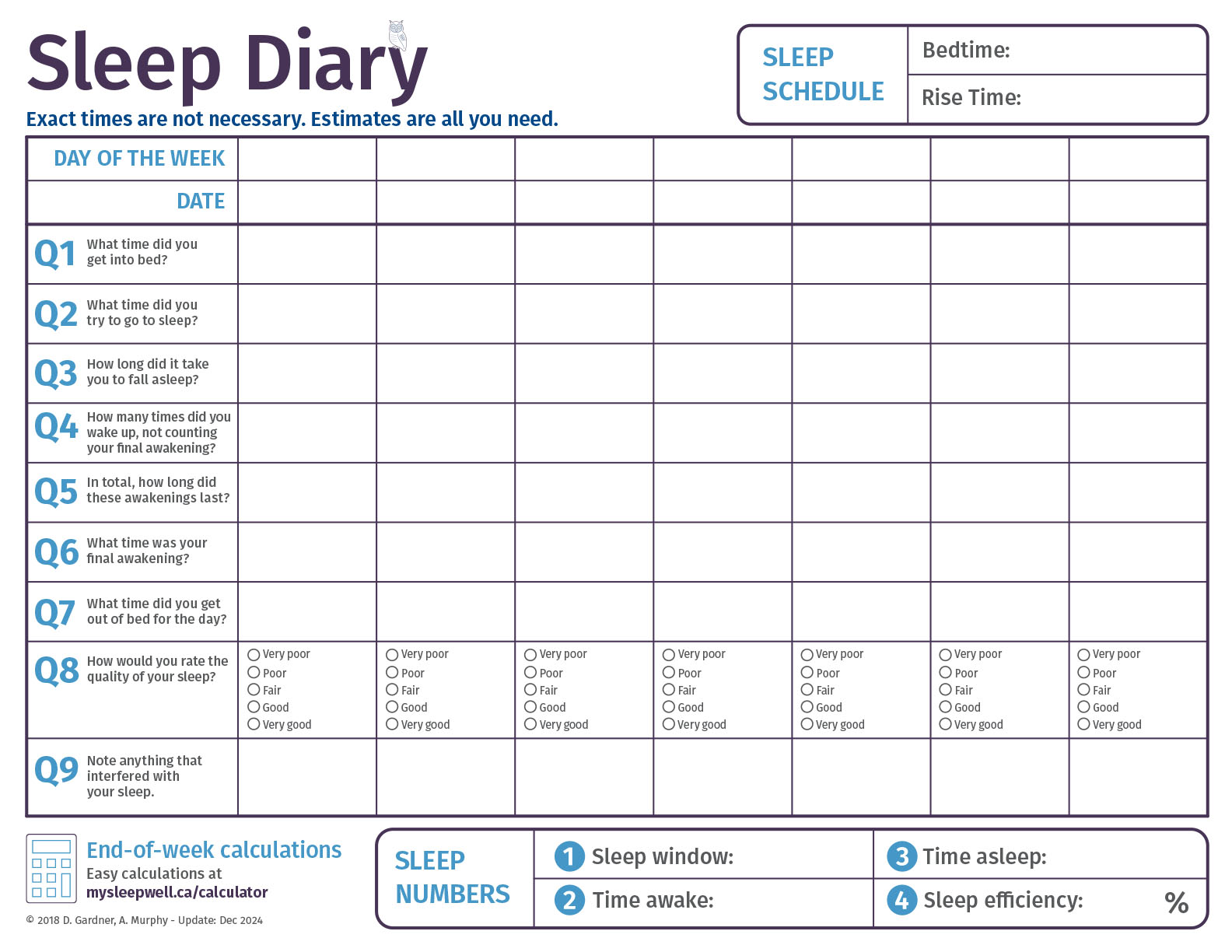
A doctor may recommend a sleep diary, more advanced sleep studies, or refer you to a sleep specialist.
How To Use Sleep Trackers Wisely
Here are some tips to get the most out of your sleep tracker:
- Use the data as a general guide, not an exact measurement
- Focus on long-term trends, not single nights
- Pair sleep data with a sleep diary for better context
- Don’t stress about small changes or bad nights
- Share your data with a doctor if you have ongoing sleep problems
Frequently Asked Questions
How Do Sleep Trackers Know When I’m Asleep?
Most sleep trackers use a combination of movement sensors (accelerometers) and heart rate monitoring. When you are still and your heart rate drops, the tracker assumes you are asleep. Some devices also use additional sensors for temperature or breathing patterns.
Can Sleep Trackers Tell The Difference Between Insomnia And Other Sleep Disorders?
No, sleep trackers cannot clearly tell the difference between insomnia and other sleep disorders like sleep apnea or restless legs syndrome. They can only show general patterns, such as frequent awakenings or short total sleep time, but they cannot identify the exact cause.
Are Phone Apps As Accurate As Wearable Sleep Trackers?
Phone apps that use your phone’s microphone or motion sensors are generally less accurate than wearables. They can pick up some movement and noise, but they can’t monitor your heart rate or detailed body activity, which limits their ability to estimate sleep stages and overall sleep quality.
Is It Normal For My Sleep Tracker Data To Be Different From How I Feel?
Yes, this is common. Sometimes, trackers may show you slept well, but you feel tired, or vice versa. This happens because trackers estimate sleep based on body signals, which don’t always match how rested you feel. Your subjective experience is just as important as the numbers.
Should I Use A Sleep Tracker If I Have Insomnia?
A sleep tracker can be helpful to spot patterns or triggers for your insomnia, but it should not replace professional advice. If you have ongoing sleep issues, use the tracker as a tool to understand your habits, but consult a doctor for proper diagnosis and treatment.
Getting a good night’s sleep is essential for your health and happiness. Sleep trackers can offer useful insights, but they are not a substitute for medical advice or clinical testing. Use them as a guide, not a diagnosis, and always seek help if sleep problems persist.
With the right balance, technology can be a helpful partner on your journey to better rest.

