
Many people want to improve their sleep, and sleep trackers are now a popular tool for this. These devices promise to show you how long and how well you sleep each night. But a common question is: Can sleep trackers be worn all night? Are they comfortable, safe, and effective for overnight use? If you’ve ever wondered about the true impact of sleeping with one of these devices, this article will give you a complete, clear answer.
What Are Sleep Trackers And How Do They Work?
Sleep trackers are devices or apps that monitor your sleep by collecting data from your body or your sleep environment. The most common types are:
- Wearable trackers (watches, rings, wristbands)
- Non-wearable trackers (mattress pads, bedside sensors)
- Smartphone apps (using your phone’s sensors)
Most sleep trackers use accelerometers to sense movement. Some also measure heart rate, blood oxygen, temperature, or breathing. More advanced trackers even use electrodermal sensors for skin conductivity, or microphones to detect snoring.
These devices estimate when you fall asleep, wake up, and how much time you spend in light, deep, or REM sleep. The data is usually shown in a mobile app or web dashboard.
Can Sleep Trackers Be Worn All Night?
Yes, most sleep trackers are designed to be worn all night. They are built for overnight use and can collect data during your whole sleep cycle. However, whether you should wear them all night depends on several factors, such as comfort, safety, and accuracy.
Let’s look at each of these factors in detail.
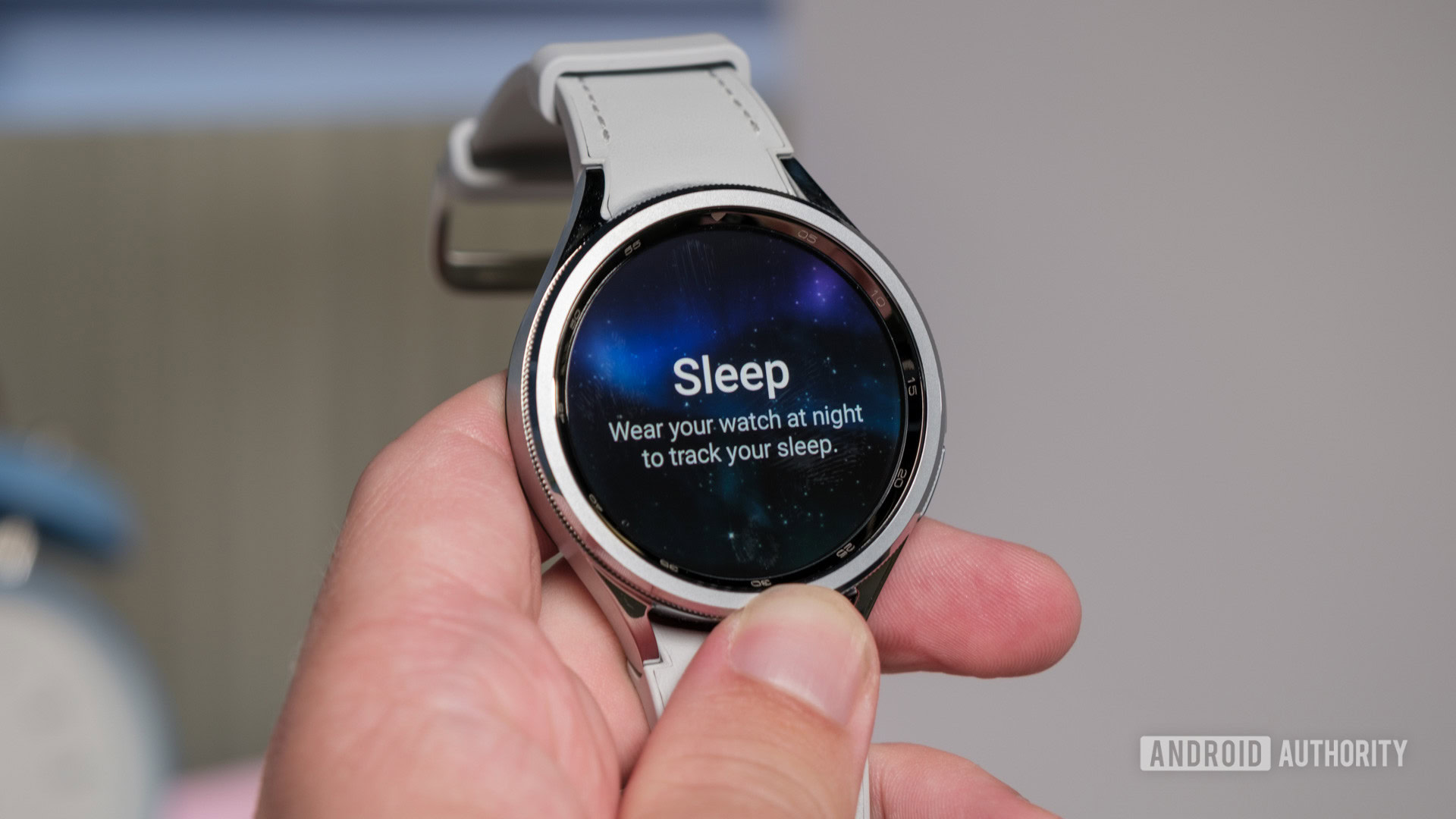
Comfort: Can You Really Sleep With A Tracker?
Comfort is the first thing most people worry about. If the device bothers you, you might sleep worse, not better.
Types Of Wearable Trackers
Some sleep trackers are designed as watches or wristbands (like Fitbit, Garmin, or Apple Watch). Others are rings (like Oura Ring) or even headbands. Each type feels different:
| Device Type | Comfort Level | Typical Placement |
|---|---|---|
| Wristband/Watch | Moderate | Wrist |
| Ring | High | Finger |
| Headband | Low-Moderate | Forehead |
| Mattress Pad | Very High | Under Sheets |
Many users find rings less intrusive than wristbands. Headbands often feel awkward and can slip off. Mattress pads or bedside sensors are the most comfortable, since they don’t touch your body at all.
Common Problems And Tips
Some people feel itchy or sweaty with a band or ring. Allergies to materials (like nickel in some metals) can also be a problem. If you experience skin irritation, try:
- Wearing the device loosely, but not so loose it moves around
- Cleaning the device regularly
- Switching sides or fingers
- Choosing hypoallergenic bands
If comfort is your main concern, consider a non-wearable tracker.
Safety: Are Sleep Trackers Safe For Overnight Use?
Most wearable sleep trackers are safe for healthy adults when used as directed. They use low-power sensors and Bluetooth, which are considered safe by international guidelines. However, there are a few points to consider.
Battery Safety
Modern devices use rechargeable lithium batteries. These are generally safe, but:
- Never use a device with a damaged battery
- Do not wear while charging
- Replace the device if it gets hot or leaks
Skin Irritation And Allergies
Some people develop a rash or redness where the device touches the skin. This is usually due to sweat, friction, or a reaction to the material. If you have sensitive skin:
- Choose devices with medical-grade silicone or titanium
- Take breaks from wearing the device
- Wash both your skin and the device daily
Emf Concerns
There is little evidence that Bluetooth or wireless signals from trackers cause harm. The energy from these devices is much lower than from your phone. If you’re concerned, look for trackers that let you turn off Bluetooth at night and sync data in the morning.
Special Populations
Children, people with pacemakers, or skin conditions should consult their doctor before using a wearable sleep tracker.
Accuracy: Do Sleep Trackers Really Work Overnight?
Sleep trackers can give a good overview of your sleep patterns, but they are not as accurate as medical sleep tests. Polysomnography (PSG) is the gold standard for measuring sleep. Trackers, however, can be accurate enough for most people to spot trends and make improvements.
What They Measure Well
- Total sleep time
- Bedtime and wake time
- Sleep interruptions
What They Often Miss
- Exact sleep stages (light, deep, REM)
- Short awakenings you don’t remember
- Breathing problems (like sleep apnea), unless designed for this
Some newer trackers use multiple sensors (heart rate, temperature, movement) and algorithms to improve accuracy. For most users, these are useful for tracking changes over time, not for medical diagnosis.
Validation Studies
A study published in JAMA Internal Medicine found that popular trackers could overestimate total sleep time by 20–30 minutes compared to PSG. However, they were fairly accurate at detecting when people fell asleep or woke up.
If you need medical answers, don’t rely only on a consumer tracker—see a sleep specialist.
Pros And Cons Of Wearing Sleep Trackers All Night
Understanding the advantages and disadvantages can help you decide if wearing a sleep tracker overnight is right for you.
| Pros | Cons |
|---|---|
| Easy, automatic tracking | Can cause skin irritation |
| Helps build good sleep habits | May disturb light sleepers |
| Can reveal trends over time | Not 100% accurate |
| Provides motivation to improve sleep | Some people become too focused on data (“orthosomnia”) |
| Some devices detect snoring and movement | Requires charging and care |
How To Wear A Sleep Tracker All Night: Best Practices
If you want to wear a sleep tracker every night, follow these tips to get the best results and avoid problems.
- Pick the right device for you. Try a few different types if possible. If you toss and turn, a ring might be better than a wristband.
- Wear it consistently. Regular use gives you better data. Try to wear it every night for at least a week before judging results.
- Keep it clean. Sweat, oil, and dust can build up, causing skin problems. Wipe your tracker after each use.
- Charge it during the day. Most sleep trackers need recharging every few days. Find a routine that works (e.g., during your morning shower).
- Review your data weekly, not daily. Look for trends, not nightly ups and downs. Small changes are normal.
- Don’t obsess over the numbers. If your tracker says you slept poorly but you feel fine, trust your own feeling.
- Take breaks if you notice irritation. A few nights off can help your skin recover.
- Update your app and firmware. This ensures you get the latest features and fixes.
What Beginners Often Miss About Sleep Trackers
Many first-time users focus only on their “sleep score” or worry if the device says they had a bad night. But two important things often go unnoticed:
- Trackers are best for long-term trends. One bad night doesn’t mean much. Look for patterns over weeks or months—like always sleeping less on Sundays, or waking more during stress.
- Behavior changes matter more than data. Use what you learn to adjust your bedtime, reduce caffeine, or improve your sleep environment. The tracker helps only if you take action.
Another insight: sleep trackers may make you more anxious about sleep (“orthosomnia”). If you find yourself worrying too much about your sleep data, consider taking a break from the tracker.

Who Should Not Wear Sleep Trackers Overnight?
Most healthy adults can safely wear sleep trackers all night. However, there are some exceptions:
- People with medical implants (like pacemakers): Some trackers use electrical signals that could, in theory, interfere with these devices.
- Children: Most trackers are not tested for kids.
- People with eczema or sensitive skin: Even hypoallergenic bands can irritate very sensitive skin.
- People with sleep anxiety: If tracking makes you more anxious, it might do more harm than good.
If you’re unsure, ask your doctor before using a sleep tracker every night.
Are There Alternatives To Wearing A Tracker All Night?
If you don’t like wearing a device, you still have options:
- Non-contact trackers: Place a sensor under your mattress or beside your bed (e.g., Withings Sleep, ResMed S+). These use pressure or sound to track sleep.
- Smartphone apps: Some apps (like Sleep Cycle) use your phone’s microphone and accelerometer. Place your phone on your mattress or nightstand.
- Sleep diaries: Write down when you go to bed, wake up, and how you feel. This low-tech option can be surprisingly helpful.
Each method has pros and cons. Non-contact trackers are very comfortable but may be less accurate for couples or pets in bed.
The Future Of Sleep Tracking
Sleep technology is improving fast. New devices use more sensors, AI, and even radar to monitor sleep without touching you. Some smartwatches can now detect blood oxygen or even possible sleep apnea. Researchers are working on patches and smart textiles that could make sleep tracking as easy as changing your sheets.
Still, the basics remain: sleep trackers are a tool to help you understand and improve your sleep, not a replacement for good sleep habits or medical advice.
For more about how sleep trackers work and their limitations, you can visit this Wikipedia page on sleep monitoring.
Frequently Asked Questions
How Long Can I Wear A Sleep Tracker At Night?
Most sleep trackers are designed for 8–10 hours of continuous use. This covers a full night’s sleep and even extra time before or after bed.
Do Sleep Trackers Disturb Sleep?
For most people, sleep trackers do not disturb sleep. However, some may notice discomfort or be distracted by lights or notifications. Choose a device without bright screens or sounds, and silence notifications at night.
Can A Sleep Tracker Replace A Sleep Study?
No, sleep trackers are not a substitute for medical sleep studies. They are useful for tracking trends and habits but cannot diagnose disorders like sleep apnea. See a sleep doctor if you have serious sleep problems.
Is It Safe To Wear A Sleep Tracker Every Night?
Yes, for healthy adults, it is safe to wear a sleep tracker every night. Take breaks if you notice skin irritation, and do not use damaged devices.
What Happens If I Forget To Wear My Tracker For A Night?
Missing a night is not a problem. Consistent long-term tracking is more important than one missed night. Your overall sleep patterns will still be visible in your data.
Final Thoughts
So, can sleep trackers be worn all night? Absolutely—most are built for exactly that. They are safe and comfortable for most people, and they can give useful insights into your sleep. However, remember they are just a tool. Their real value comes from helping you improve your habits, not just collecting numbers.
If you choose the right device, use it wisely, and focus on long-term trends—not single nights—you can get the most benefit from your sleep tracker. And if wearing one all night isn’t comfortable for you, there are other ways to track your sleep and work toward better rest.

