Can Protein Powder Replace Meals?
Imagine waking up late, rushing to work, and realizing you have no time for breakfast. You reach for a scoop of protein powder, mix it with water, and drink it on the go. It’s quick, easy, and fills you up—at least for a little while. But can protein powder really take the place of a complete meal? This question matters more today as busy lives and fitness trends push more people toward quick nutrition solutions. Let’s look closely at what happens when you swap a real meal for a protein shake, what you gain, what you might miss, and whether this shortcut is a smart choice for your body and health.
What Is Protein Powder?
Protein powder is a supplement—a concentrated source of protein made from foods like whey, soy, pea, rice, or egg whites. The most common types are:
- Whey protein (from milk)
- Casein protein (from milk)
- Soy protein
- Pea and rice protein (plant-based options)
Manufacturers turn these foods into powder by removing water, fat, and some carbs. The result: a fine powder with a high amount of protein per scoop. Some protein powders have added flavors, sweeteners, or vitamins. People use them to build muscle, lose weight, or simply get more protein each day.
What Makes A Meal Complete?
A complete meal gives your body everything it needs in the right amounts. It should include:
- Protein (builds and repairs body tissues)
- Carbohydrates (provides energy)
- Fats (supports brain and cell health)
- Vitamins and minerals (essential for body functions)
- Fiber (helps digestion and keeps you full)
A meal might also include water and healthy phytonutrients (plant chemicals). Think of a plate with grilled chicken, brown rice, steamed broccoli, and a drizzle of olive oil. This is balanced and rich in nutrients.
Protein Powder Vs. Real Meals: Nutrition Showdown
Let’s compare the nutritional value of a protein shake (made with powder and water) to a typical meal. Here’s a simple example:
| Protein Shake (1 scoop, water) | Chicken, Rice, Veggies (1 serving) | |
|---|---|---|
| Calories | 120 | 400 |
| Protein (g) | 24 | 27 |
| Carbohydrates (g) | 3 | 45 |
| Fat (g) | 1 | 9 |
| Fiber (g) | 0 | 5 |
| Vitamins/Minerals | Limited | Rich and varied |
As you can see, a protein shake gives you lots of protein but misses out on key nutrients like fiber, healthy fats, and vitamins. Most real meals are more complete.
When Is It Okay To Replace A Meal With Protein Powder?
There are some situations where a protein shake can stand in for a meal:
- Short on time: If you skip meals often because you are busy, a protein shake is better than eating nothing.
- After workouts: Your body needs protein soon after exercise to repair muscles. A shake is fast and easy.
- Managing calories: If you want to lose weight, a shake can help control portions and calories.
- Medical reasons: Some people cannot eat solid food (due to surgery or illness) and may use shakes for nutrition.
Even in these cases, protein powder is usually a short-term solution, not a long-term substitute.
What Nutrients Do Protein Powders Lack?
Most protein powders focus on protein and have little or none of the following:
- Fiber: Keeps your gut healthy and keeps you full
- Healthy fats: Needed for hormones and brain health
- Complex carbs: Main energy source for daily activities
- Vitamins and minerals: Like vitamin C, vitamin A, potassium, magnesium
- Phytonutrients: Plant chemicals that protect your body
Some powders add vitamins, minerals, or fiber, but they rarely match the variety found in whole foods.
Benefits Of Using Protein Powder For Meals
Despite the gaps, there are real advantages to using protein powder in place of a meal once in a while:
- Convenience: Ready in seconds—no cooking or cleaning.
- Portion control: Easier to track calories and protein.
- Muscle support: Delivers high-quality protein for muscle growth.
- Travel-friendly: Easy to carry and mix anywhere.
- Helps in weight loss: Fewer calories can support fat loss if used wisely.
People who struggle to eat enough protein (like athletes, older adults, or some vegetarians) may find protein shakes useful.
Risks And Downsides Of Replacing Meals With Protein Powder
But there are important risks you should know before making protein shakes your main food source:
- Nutrient Deficiency: Missing vitamins, minerals, and fiber can cause tiredness, weak immunity, and digestion problems.
- Hunger Returns Quickly: Shakes are digested faster than solid food, so you may feel hungry sooner.
- Digestive Issues: Some powders cause bloating, gas, or upset stomach, especially for people who are lactose-intolerant.
- Over-reliance: You may lose the habit of eating whole foods, which are important for long-term health.
- Hidden sugars or additives: Some powders add sugar, flavors, or chemicals you may not want.
Here’s a quick look at some common side effects:
| Possible Side Effect | Why It Happens | How to Reduce Risk |
|---|---|---|
| Constipation | Lack of fiber | Add fruits or oats to your shake |
| Stomach upset | Lactose or artificial ingredients | Choose plant-based or simple powders |
| Low energy | Not enough carbs or calories | Mix with milk, banana, or nut butter |
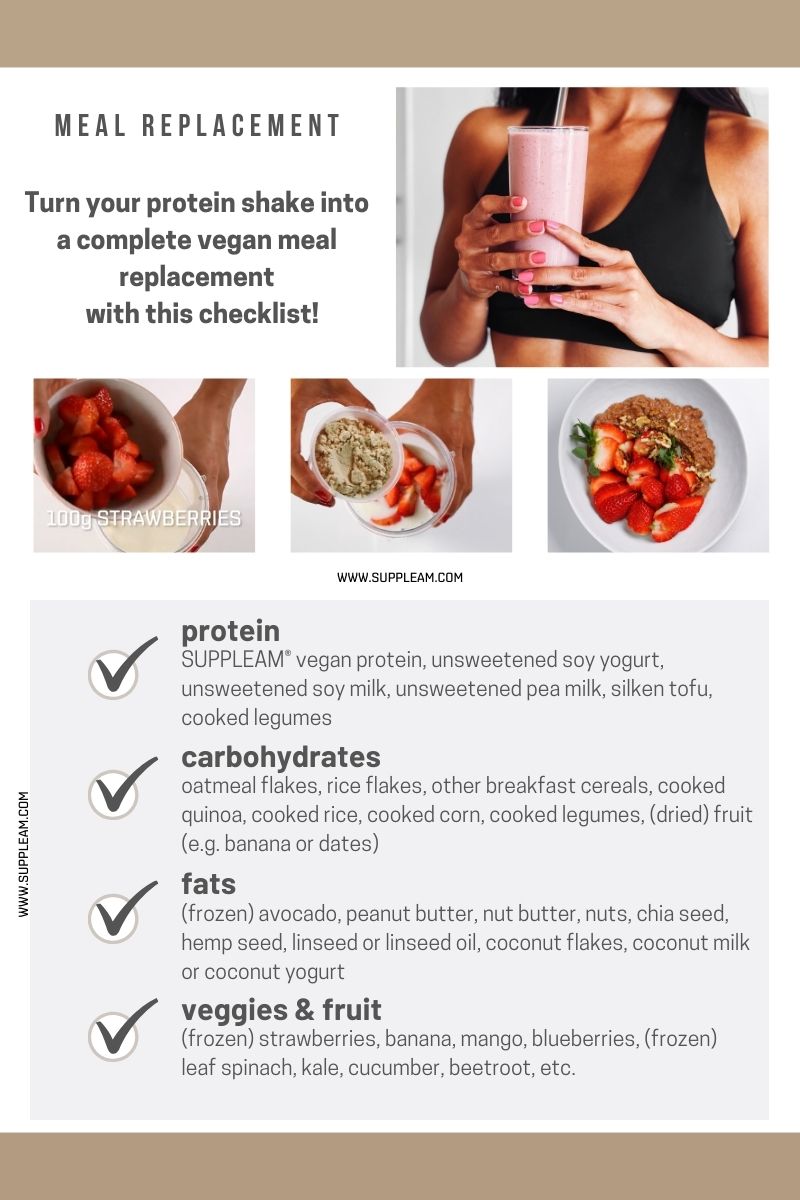
Can You Build A Healthy Meal Replacement Shake?
A basic protein shake lacks many things. But you can boost its nutrition by adding other ingredients. Here’s how to make a shake closer to a real meal:
- Add carbs: Blend in a banana, oats, or berries.
- Add healthy fats: Toss in nut butter, chia seeds, or flaxseed.
- Add fiber: Use leafy greens (spinach), apple, or psyllium husk.
- Add vitamins/minerals: Mix in fruits and vegetables.
A simple recipe for a meal-replacement shake:
- 1 scoop protein powder
- 1 cup milk or non-dairy milk
- 1 small banana
- 1 tablespoon peanut butter
- ½ cup spinach
- ½ cup oats
Blend until smooth. Now you have protein, carbs, fat, fiber, and more nutrients.
Who Should Avoid Replacing Meals With Protein Powder?
Some people should be careful or avoid using protein shakes as meal replacements:
- Children: They need a variety of foods for growth.
- Pregnant or breastfeeding women: Need extra nutrients that shakes may not provide.
- People with kidney problems: Too much protein can stress the kidneys.
- People with allergies: Some powders contain milk, soy, or nuts.
- Anyone with eating disorders: Shakes can encourage unhealthy eating habits.
If you are unsure, talk to a doctor or dietitian before making big changes.
How Often Can You Replace Meals With Protein Shakes?
Experts suggest using a protein shake as a meal replacement no more than once a day for most people. Some busy athletes or people with medical needs may use them more often—but only with professional advice.
Why limit it? Whole foods are complex. They give you nutrients in ways science still doesn’t fully understand. Replacing too many meals with shakes can make your diet unbalanced.
Real-life Examples: When Protein Powder Makes Sense
Consider these common situations:
Busy Professionals
People working long hours often skip breakfast or lunch. A protein shake can prevent low energy and overeating later in the day. But adding a piece of fruit or handful of nuts helps round out the meal.
Athletes
After intense workouts, athletes need fast, high-quality protein. A shake is ideal for muscle repair. But for other meals, whole foods are better to provide all nutrients needed for training and recovery.
Seniors
Older adults sometimes lose their appetite or have trouble chewing. Protein shakes can help meet protein needs and prevent muscle loss. But doctors often recommend mixing shakes with other foods like yogurt, fruits, or oats.
Weight Loss Seekers
People trying to lose weight may use a shake to replace a high-calorie meal. This works best when the shake is balanced and fills you up. Relying on shakes alone rarely builds long-term healthy eating habits.
Common Mistakes When Using Protein Powder As A Meal Replacement
Many beginners make these errors:
- Relying only on powder and water: This gives just protein, not a balanced meal.
- Ignoring ingredients: Some powders have a lot of sugar or artificial flavors.
- Skipping whole foods: Missing out on fiber, healthy fats, and micronutrients.
- Not adjusting for calories: Some shakes are very low-calorie and leave you hungry.
- Not drinking enough water: Extra protein can tax the kidneys if you are dehydrated.
A smart approach is to use protein powder as a tool, not a crutch. Combine it with whole foods whenever possible.
How To Choose A Good Protein Powder For Meal Replacement
Not all protein powders are created equal. Here’s what to look for:
- Ingredient list: Shorter is better. Fewer additives, colors, and sweeteners.
- Protein type: Whey is fast-absorbing, casein is slow, plant-based is good for vegans.
- Sugar content: Look for less than 5 grams per serving.
- Added nutrients: Some have extra vitamins, minerals, or fiber.
- Allergen info: Make sure it fits your diet and allergies.
Compare labels before buying. For example:
| Feature | Whey Protein | Plant Protein |
|---|---|---|
| Protein quality | High (complete) | Varies (may miss some amino acids) |
| Lactose | Present | None |
| Fiber | Low | Higher |
| Vegan-friendly | No | Yes |
| Common allergens | Milk | Soy, pea, nuts (check label) |
Cost Comparison: Protein Powder Vs. Real Food Meals
Is replacing meals with protein shakes cheaper? Let’s break it down:
- One scoop of protein powder: $1–$2 (about 120 calories, 24g protein)
- Basic meal (chicken, rice, veggies): $3–$6 (about 400 calories, 27g protein, plus carbs and nutrients)
Protein shakes can cost less per gram of protein. But when you add other ingredients (fruits, nuts, milk), costs rise. Real meals offer better value for nutrients per dollar spent.
The Bottom Line: Should You Replace Meals With Protein Powder?
Protein powder is a useful tool, not a perfect substitute for meals. It is great in emergencies, after workouts, or as a backup. But it cannot match the nutrition, satisfaction, and variety of real food. Whole meals support your body in ways a powder alone cannot.
If you must use a protein shake for a meal, make it more complete with simple add-ins (fruits, nuts, oats). Use it as a bridge—not a total replacement. Over time, aim for real, balanced meals with a mix of protein, carbs, healthy fats, and fiber.
Two important insights many miss:
- Drinking calories is less satisfying than chewing food. This often leads to extra snacking and weight gain.
- Mixing up your protein sources (not just powder, but eggs, fish, beans, dairy) gives your body the widest range of nutrients.
For most people, protein powder works best as a supplement, not a regular meal replacement. Your body is built for real food.
For more on nutrition guidelines, check the British Nutrition Foundation.
Frequently Asked Questions
Can I Use Protein Powder To Replace All My Meals?
It is not safe or healthy to replace all meals with protein powder. Your body needs more than just protein. Relying on shakes alone leads to nutrient deficiencies, poor digestion, and low energy. Use shakes only for one meal at most, and eat whole foods for the rest.
Is It Okay To Have A Protein Shake For Breakfast Every Day?
Having a protein shake for breakfast can be fine if you add other ingredients like fruit, oats, or nuts. This makes the shake more balanced. But whole food breakfasts are usually more satisfying and better for long-term health.
Will Replacing A Meal With A Protein Shake Help Me Lose Weight?
A protein shake is often lower in calories than a typical meal, so it may help with weight loss. But, if you feel hungry and snack later, you might not eat fewer calories overall. Always focus on balanced meals for lasting results.
What Is The Best Protein Powder For Meal Replacement?
Look for a powder with high-quality protein, low sugar, and added nutrients like fiber or vitamins. Plant-based powders are good for vegans and people with milk allergies. Always check the label for unwanted additives.
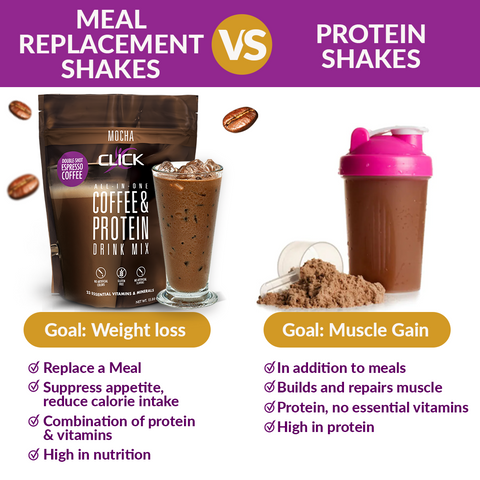
Are Meal Replacement Shakes And Protein Shakes The Same?
No, they are different. Meal replacement shakes are designed to provide protein, carbs, fat, vitamins, and minerals. Protein shakes focus mostly on protein. For a full meal, choose a meal replacement shake or add whole foods to your protein shake.
Replacing meals with protein powder might work in a pinch, but whole foods always win for complete nutrition, satisfaction, and health. If you want the best for your body, keep protein powder as a helper—not your main source of fuel.