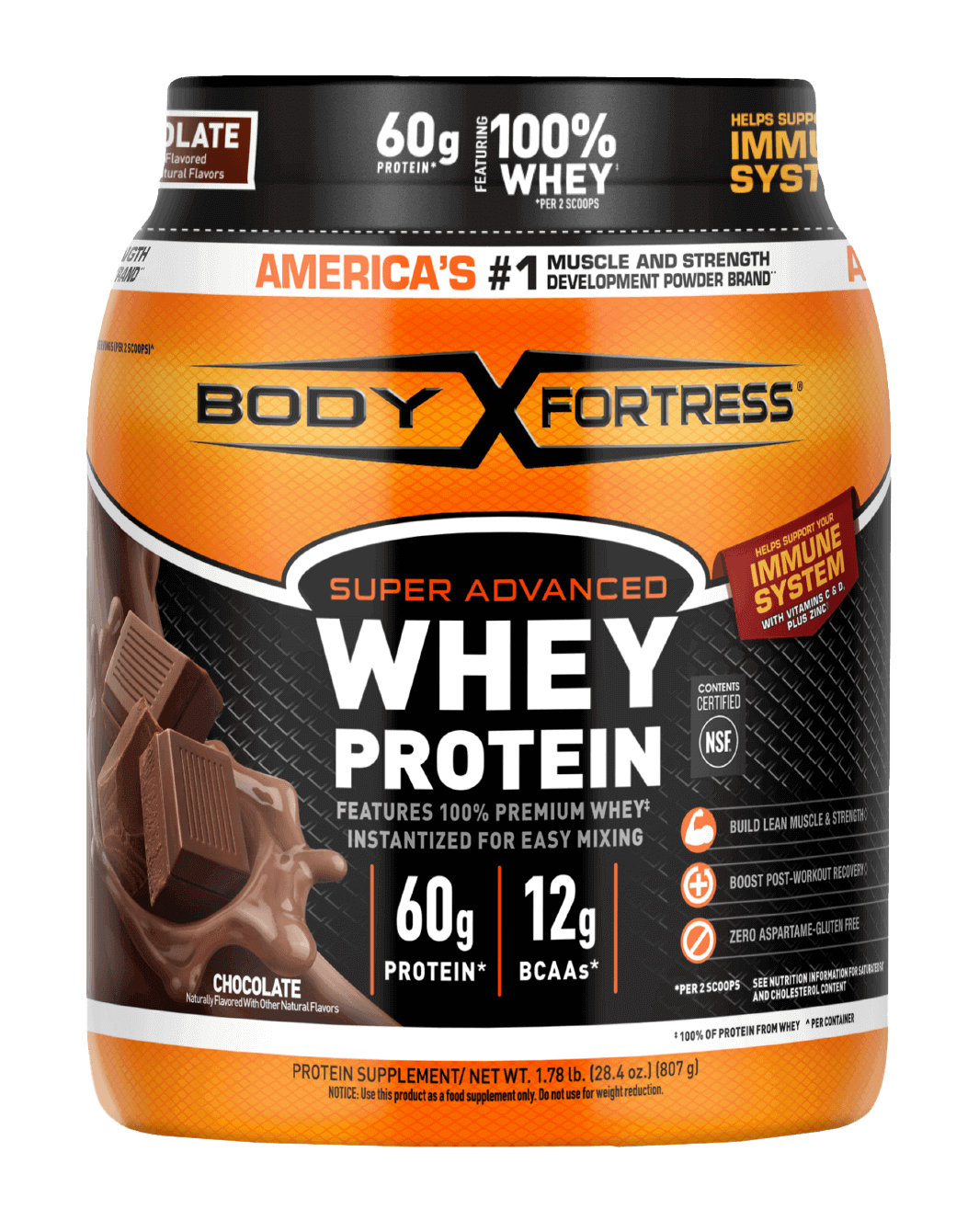
Can Protein Powder Improve Strength?
Strength training is more popular than ever. From professional athletes to regular people at the gym, many want to get stronger. They often look for ways to improve their results. One of the most common questions is: Can protein powder improve strength? This question is everywhere—in gyms, online forums, and even among friends. People see protein powder in ads, on store shelves, and in sports drinks. But is it really the secret to getting stronger?
Protein powder is easy to use, widely available, and promises to help muscles grow. But there’s more to the story. Strength is not just about bigger muscles. It’s about how your body repairs, adapts, and becomes more powerful after each workout.
In this article, you’ll learn how protein powder actually works, what science says, and how it fits into the bigger picture of strength building. You’ll also see common mistakes, practical advice, and answers to important questions.
If you want clear, honest information about protein powder and strength, keep reading. This guide will help you make smart choices, whether you are a beginner, a serious athlete, or just curious about how nutrition helps your body get stronger.
What Is Protein Powder?
Protein powder is a dietary supplement that gives your body extra protein in a simple form. It comes in many types, such as whey, casein, soy, pea, and rice protein. Most protein powders are mixed with water, milk, or added to smoothies. They are easy to carry and quick to prepare, making them a favorite for busy people.
The main reason people use protein powder is to help their muscles recover after exercise. Protein is made of amino acids, which are the building blocks your body needs to repair and grow muscle. When you exercise, especially with weights, your muscles get tiny tears. Protein helps fix these tears and build new muscle tissue.
Some protein powders also have extra ingredients, like vitamins, minerals, or sweeteners. It’s important to check the label so you know what you are getting. Some powders are high in sugar or low in real protein.
Protein powder is not magic. It’s just a tool. Like any tool, it works best when used correctly. You still need good nutrition, enough rest, and the right exercise.
How Protein Builds Strength
Understanding how protein works in the body helps you see why it might improve strength. Strength comes from several things:
- Muscle size: Bigger muscles usually mean more strength.
- Muscle repair: After hard workouts, muscles need to heal.
- Nervous system: How well your brain tells muscles to contract.
Protein helps mainly with the first two points.
Muscle Protein Synthesis
After you exercise, your body starts a process called muscle protein synthesis. This is when new muscle fibers are made to repair and grow the ones you just used. For this to happen, your body needs enough protein.
If you don’t get enough protein, your body can’t repair muscles as well. This means slower recovery and less strength gain. If you get enough, your body can repair faster and build stronger muscle.
Daily Protein Needs
Most people need between 1.2 to 2.0 grams of protein per kilogram of body weight per day if they are doing strength training. For a 70kg person, that’s around 84 to 140 grams per day. It’s possible to get this from food, but many find it easier to add a protein shake after workouts or between meals.
Protein Timing
When you eat protein also matters. Many studies show that eating protein soon after exercise (within an hour or two) helps muscles recover faster. This is called the “anabolic window.” It’s not a strict rule, but it helps many people stay on track.
Types Of Protein Powder And Their Effects
Protein powders are not all the same. Each type has benefits and drawbacks.
Whey Protein
Whey is the most popular type. It comes from milk and is fast-digesting. This means your body can use it quickly after exercise. Whey is high in leucine, an amino acid that is important for muscle growth. Many studies show whey protein is very effective for increasing strength and muscle size.
Casein Protein
Casein also comes from milk but digests slowly. It’s good to take before bed because it gives your body a steady supply of protein overnight. Casein can help reduce muscle breakdown while you sleep.
Plant-based Proteins
Soy, pea, rice, and hemp protein are all plant-based. Soy is the most studied and is close to whey in quality. Pea protein is also good, especially for people who are allergic to milk. Plant proteins may have less of some amino acids, but mixing different types can help.
Animal-based Proteins
Egg white protein is high quality and easy to digest. It’s a good choice for people who can’t have dairy.
Comparison Of Protein Powders
Here is a comparison of common protein powders:
| Type | Source | Digestion Speed | Main Benefits |
|---|---|---|---|
| Whey | Dairy | Fast | Muscle growth, quick recovery |
| Casein | Dairy | Slow | Overnight muscle support |
| Soy | Plant | Medium | Good for vegans, heart health |
| Pea | Plant | Medium | Allergy-friendly, good amino acids |
| Egg White | Egg | Fast | High quality, no dairy |
Each protein type can help with strength. The best choice depends on your diet, allergies, and goals.
What Science Says About Protein Powder And Strength
There is a lot of research on protein and strength. Most studies agree: protein helps build strength, but it is not a miracle. Here are some key findings:
- A 2018 review in the British Journal of Sports Medicine looked at 49 studies with over 1,800 people. It found that protein supplements help increase muscle strength and size, especially when people did resistance training (like lifting weights).
- The effect is bigger if you are just starting out or if you were not eating enough protein before.
- If you already get enough protein in your diet, adding more with powder does not make a big difference.
How Much Is Enough?
Most studies show that 1.6 grams of protein per kilogram of body weight per day is enough to see results. More than 2.2 grams per kilogram usually does not give extra benefits for strength.
Does Timing Matter?
Some studies say that taking protein right after exercise helps more than waiting many hours. But the most important thing is total daily protein. If you get enough, the exact timing is less important.
Real-world Example
Athletes and bodybuilders often use protein shakes after training. Some powerlifters even use them between meals. This helps them reach their daily protein goals without too much food volume.
Not Just For Young People
Older adults can also benefit. As people age, they lose muscle faster. Protein powder can help slow this down, keep strength, and reduce the risk of falls.
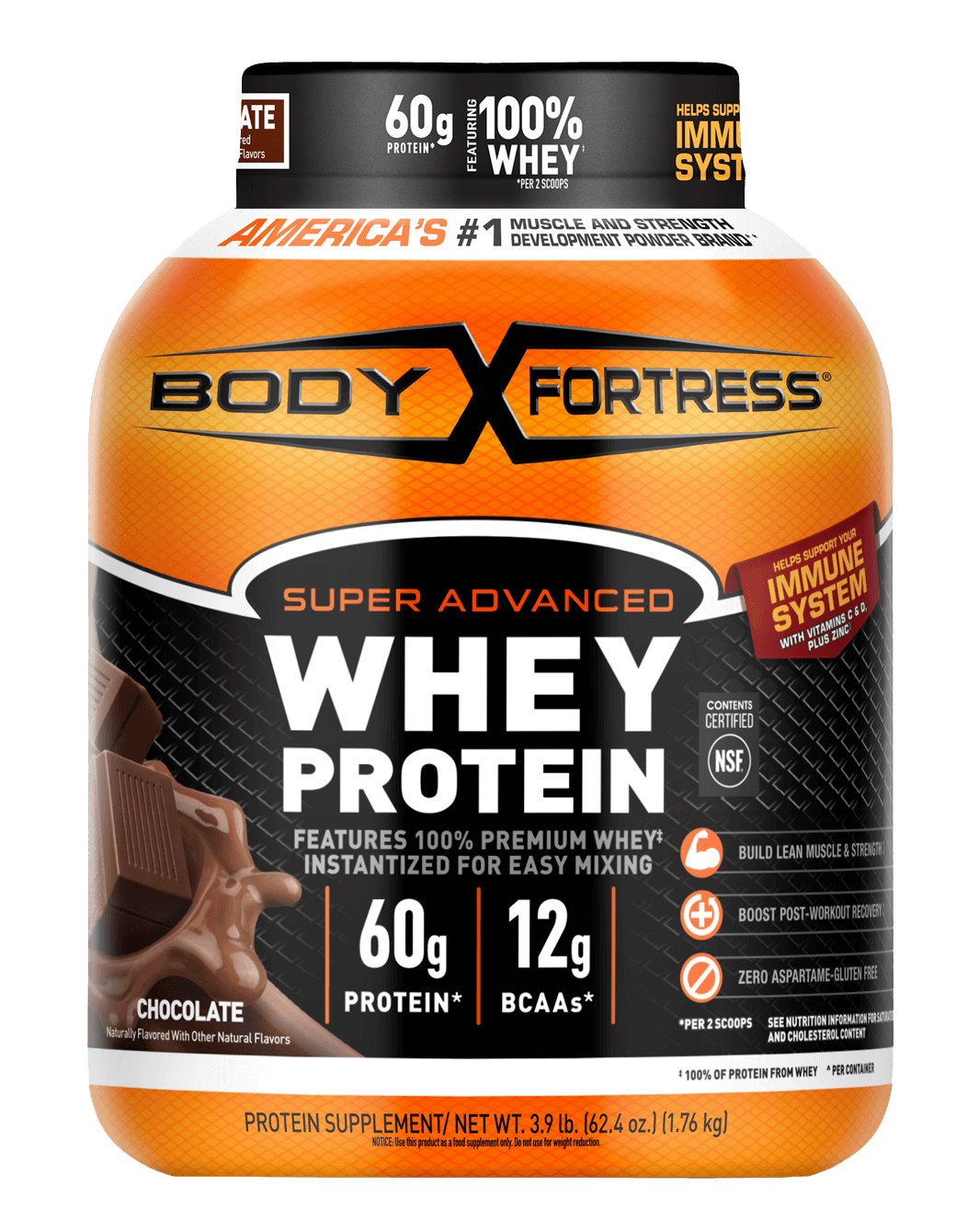
Protein Powder Vs. Whole Foods
Is protein powder better than chicken, eggs, or beans? Not always. Whole foods give you more than just protein—they have vitamins, minerals, and fiber too. But protein powder is fast, easy, and portable.
Here’s a quick look at how protein powder compares to some whole foods:
| Source | Protein (per 30g serving) | Other Nutrients | Convenience |
|---|---|---|---|
| Whey Protein | 24g | Low in other nutrients | Very high |
| Chicken Breast | 27g | B vitamins, minerals | Medium |
| Eggs (2 large) | 12g | Vitamins, healthy fats | Medium |
| Lentils (1 cup cooked) | 18g | Fiber, minerals | Low |
Protein powder is not better than real food. But it’s a helpful option when you’re busy or need extra protein.
Common Mistakes When Using Protein Powder
Many people make mistakes with protein powder. These can slow down progress or even harm health.
- Taking too much: More protein is not always better. Your body can only use so much. Extra protein may be turned into energy or stored as fat.
- Not reading labels: Some powders have a lot of sugar or low-quality ingredients. Choose products with clear labels and few additives.
- Ignoring total diet: Protein shakes should not replace all meals. You still need fruits, vegetables, and healthy fats.
- Skipping training: Protein helps, but only if you train hard. Without resistance exercise, protein powder does little for strength.
- Not drinking enough water: High protein diets can be hard on the kidneys if you don’t stay hydrated.
- Expecting instant results: Building strength takes time. Protein powder supports, but does not replace, hard work and patience.
Who Should Use Protein Powder?
Not everyone needs protein powder. Here’s who might benefit most:
- People who train hard and need extra protein
- Those with busy schedules who struggle to eat enough protein
- Vegetarians and vegans who find it hard to get protein from food alone
- Older adults who need more protein to keep muscle mass
If you already eat enough protein-rich foods, you may not need a supplement. But if you find it hard to meet your needs, a shake can help.
How To Choose A Good Protein Powder
With so many choices, picking the right protein powder can be confusing. Here’s what really matters:
1. Quality Of Ingredients
Look for protein powders with few ingredients. The first ingredient should be the main protein source (like “whey protein isolate” or “pea protein”). Avoid products with lots of sugar, artificial flavors, or fillers.
2. Protein Content
Check the label. A good powder should have at least 20 grams of protein per serving and low sugar (less than 5 grams).
3. Dietary Needs
Pick a powder that fits your diet. For example, if you are lactose intolerant, choose a plant-based or lactose-free option.
4. Taste And Mixability
If you don’t like the taste, you won’t use it. Try small packs first. A powder that mixes well saves time and is easier to drink.
5. Certifications
Some powders are tested for quality and purity. Look for seals like “NSF Certified” or “Informed-Choice. ” These mean the product is free from banned substances and contaminants.
How To Use Protein Powder For Best Results
Getting the most from protein powder is about smart use, not just drinking more shakes.
When To Take It
Most people take protein powder after workouts. This helps start muscle repair right away. You can also use it as a snack or meal replacement if you need extra protein.
How Much To Take
A common serving is 20 to 30 grams of protein. This is enough for most people after a workout. If you are small, you may need less; if you are very big or very active, you may need more.
Mix With Other Foods
Protein powder is flexible. Try these ideas:
- Mix with milk or water for a shake
- Add to oatmeal for a protein-rich breakfast
- Blend with fruit, yogurt, and nuts for a smoothie
Avoid Overuse
Use protein powder to fill gaps, not replace all your meals. Whole foods are still important for health.
Non-obvious Insights Most Beginners Miss
Even with all the information online, many beginners miss a few important points.
1. Protein Alone Won’t Make You Strong
It’s easy to believe that drinking protein shakes will make you strong. The truth is, protein only works if you give your muscles a reason to grow. This means regular, challenging strength training. Without hard exercise, your body has no reason to build new muscle.
2. Your Total Diet Matters Most
Protein powder is just one part of your diet. If you don’t eat enough calories, or if you lack other nutrients (like carbs and healthy fats), you won’t gain strength easily. Muscle needs energy, not just protein. Skipping meals or eating too little will slow your progress, even if you use the best protein powder.
Potential Side Effects And Safety
Protein powder is safe for most people, but there are a few things to watch for.
Stomach Upset
Some powders, especially those with lactose, can cause bloating, gas, or cramps. If this happens, try a different type, like whey isolate or plant protein.
Kidney Concerns
High protein diets can stress the kidneys in people with existing kidney problems. If you have kidney disease or a family history, talk to your doctor before using protein powder.
Allergies
Some powders contain common allergens, like milk, soy, or eggs. Always check the label.
Additives And Contaminants
Some low-quality powders have heavy metals or banned substances. Choose trusted brands with third-party testing.
Real-life Example: How Protein Powder Helped An Athlete
Let’s look at a real example. Maria is a 25-year-old runner who started strength training to improve her speed. She struggled to eat enough protein because she was always busy with work and school.
Maria added a whey protein shake after her workouts. She mixed it with milk and a banana. Over three months, she noticed she recovered faster and could lift heavier weights. Her coach measured her strength and saw a 15% increase in her squat and deadlift. Maria also felt less sore after training.
Maria’s results came from hard training, good sleep, and getting enough protein—not from protein powder alone. But the powder made it easier for her to meet her needs.

Protein Powder And Special Groups
Vegetarians And Vegans
Plant-based protein powders (like pea, soy, or rice) are great choices. Mixing different plant proteins can give you all the amino acids your muscles need.
Older Adults
Muscle loss happens faster with age. Protein powder can make it easier for older people to keep their strength, especially if they don’t feel hungry enough for big meals.
People With Allergies
There are hypoallergenic protein powders, like rice protein. Always check for cross-contamination if you have severe allergies.
Should You Try Protein Powder?
Here’s how to decide:
- If you struggle to meet your protein needs from food, a supplement can help.
- If you train hard, want to recover faster, and get stronger, extra protein may speed things up.
- If you prefer whole foods and can easily meet your needs, you may not need it.
Protein powder is not required for everyone. But it’s a helpful tool, especially when life gets busy or your protein needs are high.
The Bottom Line
Protein powder can help improve strength, but it works best as part of a bigger plan. You need good training, enough sleep, and a healthy overall diet. Protein powder is not magic, but it is convenient and effective for many people.
For most, the key is to use it wisely—fill in gaps, but don’t rely on it for everything. Choose high-quality powders, watch your total protein, and focus on regular strength training. That’s the real path to getting stronger.
For further reading, you can check the summary of research on protein and muscle at the Wikipedia: Protein (nutrient) page.
Frequently Asked Questions
What Is The Best Time To Take Protein Powder For Strength?
Most people take protein powder right after workouts. This is when your muscles need protein the most for repair and growth. But what matters most is your total daily protein. If you prefer, you can also use it as a snack or with breakfast. Consistency is more important than timing.
Is Protein Powder Safe To Use Every Day?
For most healthy people, daily use is safe. Choose a high-quality powder and don’t exceed your protein needs. If you have kidney problems or any health concerns, check with your doctor first.
Can You Build Strength Without Protein Powder?
Yes, you can. Many people get strong using only whole foods like chicken, eggs, fish, dairy, beans, and nuts. Protein powder is just a convenient option if you need extra protein or have a busy schedule.
Do Women Benefit From Protein Powder For Strength?
Absolutely. Women need protein for muscle repair and strength just like men. Protein powder is safe and effective for women who train. It will not make you bulky but can help you get stronger and recover better.
How Do I Know If I’m Getting Enough Protein?
Track your food for a few days. Most active people need 1.2 to 2.0 grams of protein per kilogram of body weight. If you are below this, consider adding more protein-rich foods or a supplement. Signs of not enough protein include slow recovery, frequent injuries, and lack of progress in strength training.