Can Protein Powder Help Build Abs?
The quest for visible abs is a common goal for many fitness lovers. You see six-pack abs on social media, in movies, and on fitness magazines. But building real, defined abs is not as simple as doing a hundred crunches every day. People often ask, “Can protein powder help build abs?” The answer is not just yes or no. It depends on how you use protein powder, your diet, training, and even your sleep.
Let’s explore how protein powder fits into the bigger picture of getting abs. We’ll look at what science says, real-life examples, and what many people get wrong. By the end, you’ll know if protein powder should be a part of your plan for strong, visible abs.
What Are Abs And How Do You Build Them?
When people say “abs,” they usually mean the rectus abdominis muscle. This is the long, flat muscle that runs down the front of your stomach. When body fat is low enough, this muscle becomes visible as a “six-pack.” But there are also other core muscles, like the obliques on your sides and the transverse abdominis deep in your stomach.
To build visible abs, you need two things:
- Muscle development in the abdominal area.
- Low enough body fat so the muscle can show.
Most people already have ab muscles, but they’re hidden under a layer of fat. So, building abs is not only about doing ab workouts. You need to build the muscle and also reduce body fat.
The Role Of Nutrition In Building Abs
Exercise is important, but nutrition is even more critical for visible abs. You can do hundreds of crunches, but if your diet is not in check, your abs will stay hidden.
Calorie Balance
To lose fat, you must eat fewer calories than you burn. This is called a calorie deficit. It doesn’t matter if your calories come from healthy or unhealthy sources—if you eat too many, you won’t lose fat.
Macronutrients
There are three main macronutrients:
- Protein
- Carbohydrates
- Fats
Each plays a role, but protein is special when it comes to building and keeping muscle.
Why Protein Matters For Abs
Protein helps your body repair and build muscle after exercise. If you don’t eat enough protein, you might lose muscle—even if you’re doing ab workouts. Losing muscle can make it harder to get defined abs.
Research shows that eating more protein can help you:
- Feel full longer (reducing hunger)
- Keep muscle while losing fat
- Recover faster from workouts
A study from the Journal of the International Society of Sports Nutrition found that people who ate more protein lost more fat and kept more muscle compared to those who ate less protein.
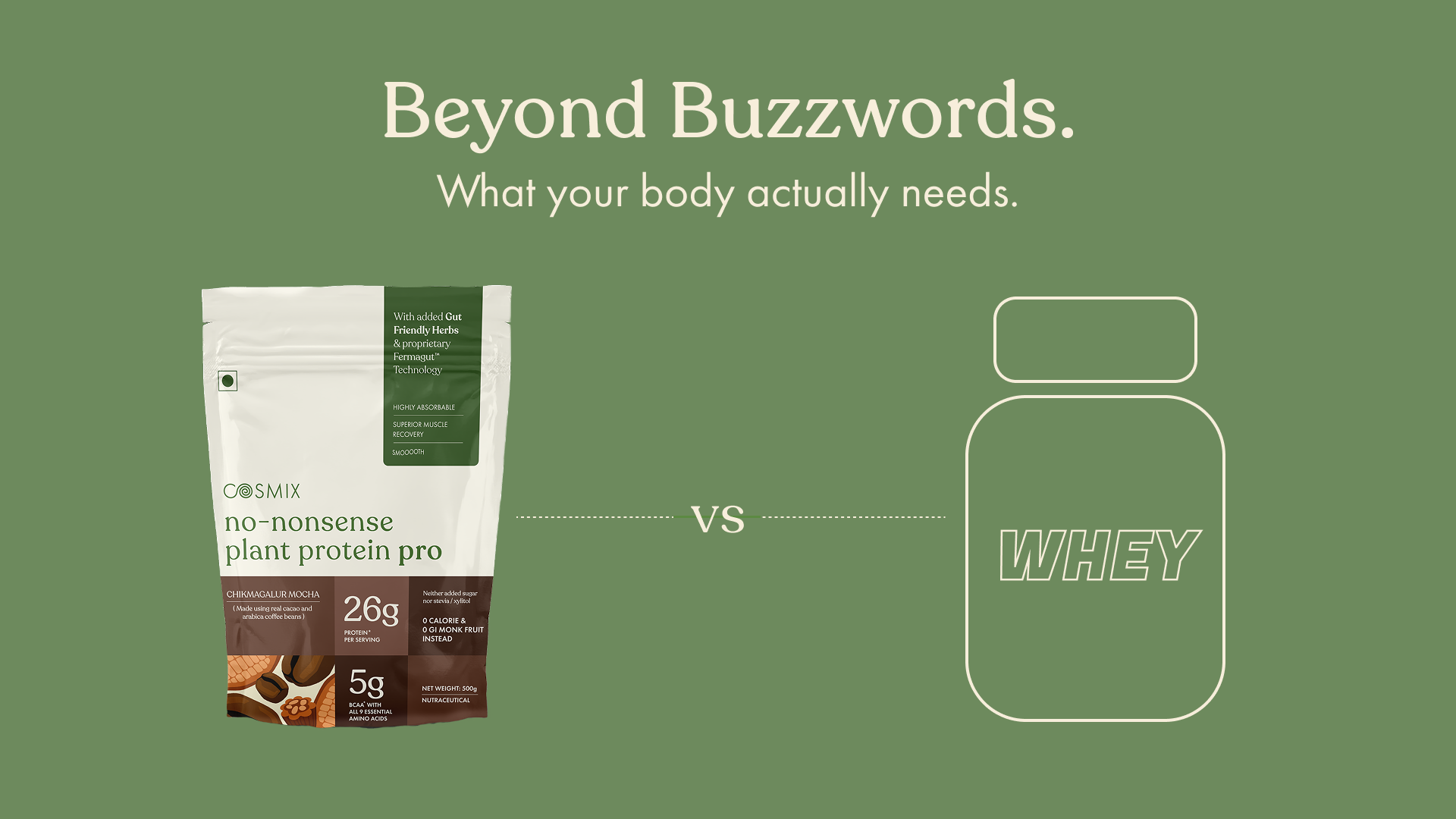
What Is Protein Powder?
Protein powder is a supplement made from foods that are high in protein. The most common sources are:
- Whey (from milk)
- Casein (also from milk)
- Soy
- Pea
- Rice
- Egg
You mix protein powder with water, milk, or add it to recipes. It’s a fast, easy way to add protein to your diet, especially if you’re busy or have a hard time eating enough protein from food.
How Protein Powder Can Help Build Abs
1. Makes Hitting Protein Goals Easier
Most experts suggest eating about 1.6 to 2.2 grams of protein per kilogram of body weight if you want to build muscle or keep muscle while losing fat. For a 70 kg person, that’s 112 to 154 grams per day.
If you’re not used to eating a lot of chicken, fish, beans, or eggs, that’s a lot of food. Protein powder can fill the gap. One scoop usually has around 20–25 grams of protein.
2. Supports Muscle Recovery
After an ab workout, your muscles are slightly damaged and need to repair. Protein helps with this process. If your diet is low in protein, your muscles may not recover well, and you won’t build or keep as much muscle.
3. Helps Maintain Muscle While Losing Fat
When you cut calories to lose fat, your body can break down muscle for energy. Eating enough protein (with help from protein powder) protects your muscles, so the weight you lose is mostly fat.
4. Convenient And Versatile
Many people skip meals or struggle to eat healthy, especially with a busy life. Protein powder is fast and easy. You can drink it after the gym, between meetings, or even add it to smoothies and oatmeal.
5. May Reduce Hunger
Protein is the most filling macronutrient. Having a protein shake can help you feel full, so you’re less likely to snack on unhealthy foods. This makes it easier to stay in a calorie deficit.

Common Misconceptions About Protein Powder And Abs
Even though protein powder can help, it’s not a magic solution. Here are a few common mistakes:
- Thinking protein powder burns fat directly. It doesn’t. It helps keep muscle while you’re losing fat, but you still need to be in a calorie deficit.
- Skipping exercise and relying on supplements. You still need to work your abs and whole body.
- Ignoring overall diet quality. If your diet is full of junk food, adding protein powder will not give you abs.
Comparing Protein Sources: Is Protein Powder Better?
Some people wonder if protein powder is better than eating chicken, fish, or tofu. The truth is, both have benefits.
| Protein Source | Protein (per 100g) | Calories | Convenience |
|---|---|---|---|
| Whey Protein Powder | 80g | 400 | Very High |
| Chicken Breast (cooked) | 31g | 165 | Medium |
| Eggs | 13g | 155 | High |
| Tofu | 8g | 76 | Medium |
As you can see, protein powder is a very concentrated source of protein. It’s not “better,” but it’s easier and faster for many people.
Non-obvious insight: Whole foods give you more vitamins, minerals, and fiber, which are important for health. Relying only on protein powder means you might miss out on these nutrients.
How To Use Protein Powder For Abs: Practical Steps
1. Track Your Protein Intake
Find out how much protein you’re eating now. Use a food diary or a tracking app. Most people eat less than they think.
2. Set A Protein Goal
Aim for 1.6–2.2 grams of protein per kilogram of your body weight per day.
3. Use Protein Powder To Fill Gaps
Eat whole foods first, then use protein powder if you’re short. For example, if you need 120 grams per day but only get 90 from food, one shake (25g) fills the gap.
4. Choose The Right Protein Powder
Different types are available. Here’s a quick comparison:
| Type | Source | Best For | Allergen risk |
|---|---|---|---|
| Whey | Milk | Most people | Lactose intolerance |
| Casein | Milk | Slow digestion | Lactose intolerance |
| Soy | Soybeans | Vegans/Vegetarians | Soy allergy |
| Pea | Peas | Vegans | Rare |
| Rice | Rice | Allergy-sensitive | Rare |
5. Mix Protein Powder With Healthy Foods
Don’t just drink plain shakes. Try mixing protein powder into:
- Oatmeal
- Yogurt
- Smoothies with fruit and vegetables
- Pancake batter
This way, you get more nutrients and flavor.
6. Don’t Overdo It
More protein is not always better. Very high amounts can be hard on your kidneys if you already have kidney problems. For healthy people, up to 2. 2 grams per kilogram is safe.
Non-obvious insight: Spreading your protein throughout the day (instead of eating it all at once) helps your body use it better. Try to eat some protein with every meal.
The Importance Of Exercise For Abs
While protein powder can help, exercise is just as important. You need both to build and show your abs.
Resistance Training
Training your whole body with weights or resistance bands builds muscle everywhere, including your abs. Squats, deadlifts, and pull-ups work your core even if they don’t look like ab exercises.
Direct Ab Workouts
Crunches, leg raises, and planks help build your ab muscles. Try to work your abs 2–3 times per week.
Cardio
Running, cycling, or HIIT (high-intensity interval training) burns calories and helps reduce body fat. Lower body fat makes abs more visible.
Example Weekly Routine
- 3 days full-body resistance training (including some ab work)
- 2–3 days cardio (20–40 minutes)
- 1–2 days rest or light activity
Other Factors That Affect Abs
Getting abs is more than just protein and exercise.
Sleep
Bad sleep makes it harder to lose fat and keep muscle. Try to get 7–9 hours per night.
Stress
High stress can make your body hold onto fat, especially around your belly. Find ways to relax, like walking, meditation, or hobbies.
Genetics
Some people build abs faster or show them at higher body fat. You can’t change your genes, but you can control your training and diet.
Common Mistakes When Using Protein Powder For Abs
- Thinking more is always better: Drinking five shakes a day will not speed up results.
- Ignoring other nutrients: Your body needs vitamins, minerals, and healthy fats, too.
- Not tracking calories: You can still gain fat if you drink too many calories from shakes.
- Skipping real food: Whole foods give more than just protein.
- Expecting fast results: Visible abs take time and effort. Protein powder is just a tool.
Who Should Use Protein Powder?
Protein powder is useful if:
- You struggle to eat enough protein from food
- You’re busy and need something quick
- You’re vegetarian or vegan and need more options
If you already get enough protein from food, you don’t need protein powder. It’s a convenience, not a requirement.
Who Should Be Careful With Protein Powder?
- People with kidney problems: Too much protein can make things worse.
- People with allergies: Check the label for milk, soy, or other ingredients.
- People with digestive issues: Some powders cause bloating or stomach upset.
Reading Protein Powder Labels
Not all protein powders are the same. Here’s what to look for:
- Protein per serving: Aim for at least 20g per scoop.
- Sugar content: Choose powders with low sugar.
- Ingredients: Fewer ingredients are usually better. Watch out for fillers or artificial sweeteners.
- Third-party testing: Look for products tested for safety and quality.
Protein Powder And Abs: Realistic Expectations
Protein powder can help, but it’s only one part of the puzzle. You need to:
- Exercise regularly (including ab and full-body workouts)
- Eat a balanced diet with enough protein
- Stay in a calorie deficit to lose fat
- Sleep well and manage stress
It takes time to build visible abs. For most people, getting a six-pack is a long-term goal, not something you achieve in a few weeks.
Success Stories: How People Used Protein Powder To Get Abs
Many athletes and regular people use protein powder as part of their plan. For example, a fitness coach named Alex struggled to eat enough protein while working long hours. By adding one protein shake after workouts, he was able to keep his protein high, lose fat, and finally see his abs after years of trying.
Another example is Mia, a busy student. She used plant-based protein powder in her morning smoothies. This helped her stay full, avoid snacking, and stick to her calorie goals. After several months, she saw clear muscle definition in her abs for the first time.
Does Timing Matter? When To Take Protein For Abs
Some people believe you must drink protein right after a workout. This is called the “anabolic window.” Research shows it’s not as important as once thought. The main thing is your total protein for the day. Still, having protein within a few hours after exercise is a good idea.
Can You Build Abs Without Protein Powder?
Yes. You can get all your protein from whole foods. Many bodybuilders and athletes have done it for years. Protein powder is just a tool to make things easier, especially if you have a busy life or special diet needs.
Comparing Popular Protein Powders For Abs
Here’s a quick look at three common types:
| Brand/Type | Protein (per scoop) | Calories | Sugar | Vegan? |
|---|---|---|---|---|
| Whey Isolate | 25g | 110 | 1g | No |
| Pea Protein | 21g | 120 | 0g | Yes |
| Soy Protein | 20g | 130 | 2g | Yes |
Choose the one that fits your needs, preferences, and allergies.

Key Takeaways
- Protein powder helps you reach your daily protein goal, which is important for building and keeping ab muscle.
- It makes it easier to stay full and keep muscle while you lose fat.
- It is not magic—you still need to eat well, train, and sleep.
- Whole foods are important for overall health.
- Use protein powder to fill gaps, not as your only source of protein.
If you want more on protein and fitness, you can check detailed resources at Healthline.
Frequently Asked Questions
Can I Get Abs Just By Drinking Protein Shakes?
No, you cannot get abs just by drinking protein shakes. You need a mix of exercise, a healthy diet, and a calorie deficit to lose fat. Protein shakes help you meet your protein needs, but they don’t burn fat by themselves.
How Much Protein Do I Need To Build Abs?
Most experts suggest 1.6 to 2.2 grams of protein per kilogram of body weight per day for muscle building and fat loss. This helps you keep muscle while losing fat, making your abs more visible.
Is Whey Protein Better For Abs Than Plant Protein?
Both whey and plant proteins can help you build abs if you get enough total protein. Whey is digested quickly, while plant proteins are good for vegans or those with milk allergies. Choose the type that fits your diet and digestion best.
Are There Side Effects Of Using Protein Powder?
For healthy people, moderate use of protein powder is safe. Too much protein can cause digestive problems, and some powders have added sugars or fillers. If you have kidney problems or allergies, talk to a doctor before using protein powder.
Do I Need Protein Powder If I Eat Enough Protein From Food?
No, you don’t need protein powder if you already get enough protein from food. Protein powder is just a convenient way to fill gaps. Focus on whole foods first, then use protein powder if needed.
Building abs is a journey, and protein powder can be a helpful tool—but it’s not the only answer. Combine it with smart eating, good training, and patience for the best results.

