
Can Crossfit Improve Strength And Endurance?
You might hear stories of people flipping tires and climbing ropes, all thanks to CrossFit. But there’s a real question behind the hype: Can CrossFit improve strength and endurance—or is it just a trend? People of all ages and abilities are joining CrossFit gyms, hoping to get stronger and fitter. Still, many wonder if these intense workouts really build muscle and boost stamina, or if there are better ways.
Let’s break down the facts. We’ll explore how CrossFit works, what research says, and how it compares to other exercise styles. This article will help you decide if CrossFit is a smart way to improve your body and health, or if it’s not right for you.
What Is Crossfit?
CrossFit is a training program that mixes different kinds of exercise. In one class, you might do weightlifting, run, jump, and use your body weight for push-ups or squats. These workouts are called WODs (Workouts of the Day). They are usually short but intense.
The main features of CrossFit include:
- Constantly varied workouts: No two days are the same.
- High intensity: You push hard, often for short bursts.
- Functional movements: Exercises that help you in daily life, like lifting, pulling, and squatting.
CrossFit classes are often in a group setting, which helps people stay motivated. Trainers guide you through exercises and adjust them for your level.
How Crossfit Builds Strength
Strength means how much force your muscles can produce. CrossFit uses many strategies to make you stronger:
Weightlifting And Powerlifting
CrossFit includes classic barbell movements such as:
- Squats
- Deadlifts
- Cleans
- Presses
Lifting heavy weights in these ways helps your muscles grow and adapt.
Bodyweight Exercises
Movements like pull-ups, push-ups, and air squats are part of many WODs. These exercises use your own body weight to build muscle, especially when done with good form and high reps.
Progressive Overload
In CrossFit, you often try to lift a little more each week or do more reps. This is called progressive overload—a proven way to boost strength.
Compound Movements
Most CrossFit exercises work several muscle groups at once. For example, a thruster uses your legs, core, and arms. This makes your whole body stronger, not just one muscle.
Real-world Example
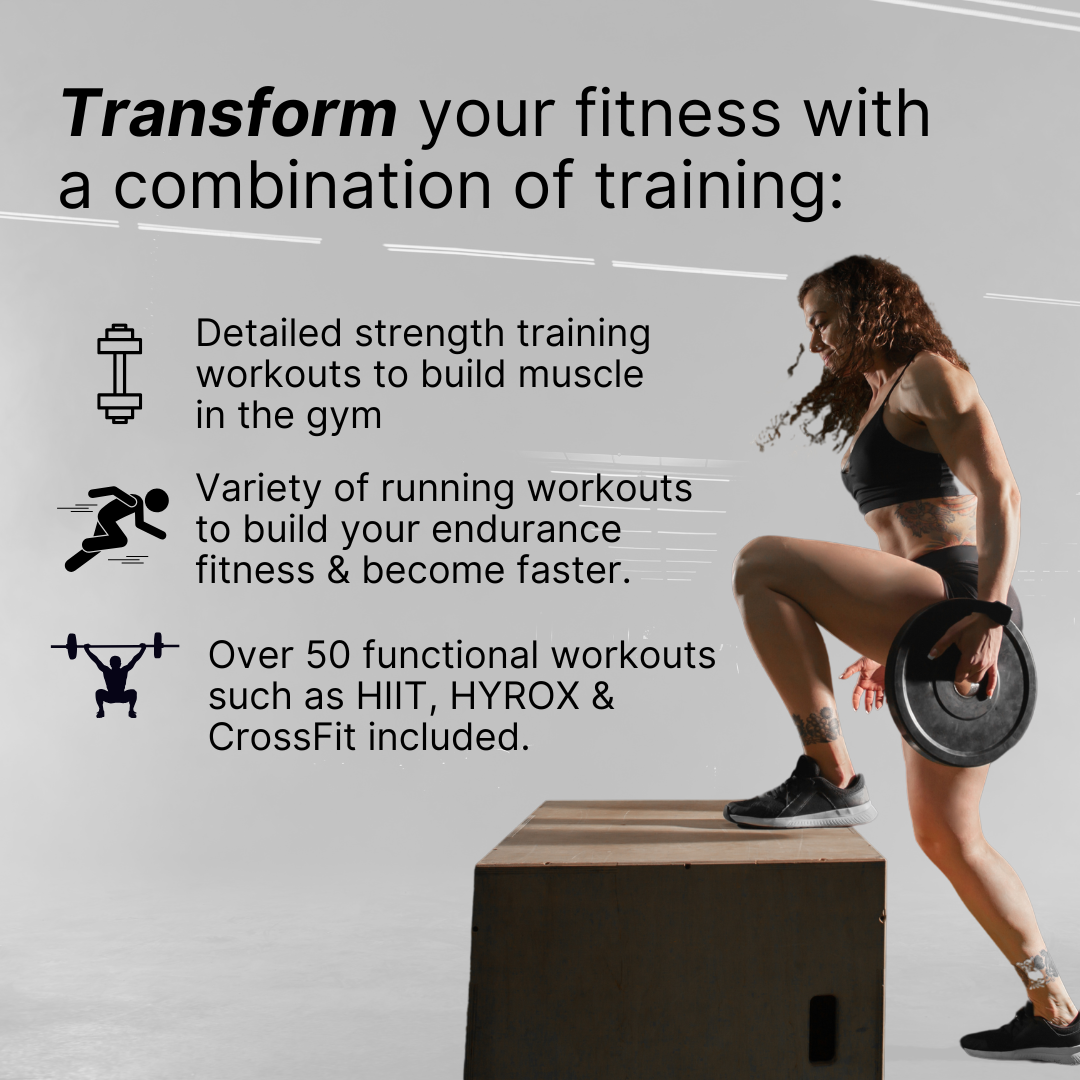
A beginner might start with a 20 kg deadlift. After 6 months of CrossFit, many can lift 50–70 kg, sometimes more. Strength changes are usually fastest in the first year.
How Crossfit Improves Endurance
Endurance is your body’s ability to keep going—whether that’s running, cycling, or doing burpees.
High-intensity Interval Training (hiit)
Most CrossFit workouts use HIIT. That means you work very hard for a short time, rest, and repeat. For example, a WOD might be:
- 1 minute of burpees
- 1 minute rest
- Repeat for 5 rounds
HIIT has been shown to improve both cardiovascular (heart and lung) endurance and muscular endurance.
Mixed Modalities
CrossFit doesn’t just make you run or just lift weights—it mixes both. You might row 500 meters, then do squats, then run again. This keeps your body adapting and improves overall stamina.
Time Under Tension
Some workouts have you move for 20 minutes straight, switching between movements. This pushes your body to keep going, even when tired.
Measurable Progress
Many CrossFit gyms track member results. For example, someone might start unable to run 400 meters without stopping. After 2–3 months, most can run 1–2 kilometers, often while doing other exercises in between.
Evidence: What Research Says About Crossfit
Several studies have tried to measure CrossFit’s effects on fitness.
| Study | Participants | Duration | Main Result |
|---|---|---|---|
| Smith et al. (2013) | 54 adults | 10 weeks | Increased VO2 max and power output |
| Claudino et al. (2018) | 19 adults | 8 weeks | Improved muscular endurance and strength |
| Drake et al. (2017) | 30 adults | 12 weeks | Better cardiovascular endurance |
VO2 max is a measure of how well your body uses oxygen—a key part of endurance. Many studies show that CrossFit can boost both strength and stamina in a short time.
Comparing Crossfit To Other Workouts
Some people ask if CrossFit is better than other workouts for building strength and endurance. Let’s compare:
| Training Style | Strength Gains | Endurance Gains | Typical Session |
|---|---|---|---|
| CrossFit | High | High | Varied, high-intensity, 30–60 min |
| Traditional Weightlifting | Very High | Low | Focus on sets/reps, 45–75 min |
| Long-Distance Running | Low | Very High | Steady pace, 30–90 min |
| HIIT (non-CrossFit) | Medium | High | Intervals, 20–30 min |
CrossFit gives both strength and endurance at the same time. Other workouts are usually better at one or the other. For example, marathon runners have great endurance but not much strength. Powerlifters are very strong but may tire quickly when running.
Common Crossfit Workouts For Strength And Endurance
Here are some CrossFit WODs that build both:
- “Cindy”: Do as many rounds as possible in 20 minutes of:
- 5 pull-ups
- 10 push-ups
- 15 air squats
This workout mixes upper and lower body moves and tests both your strength and stamina.
- “Fran”: 21-15-9 reps for time:
- Thrusters (barbell squat to overhead press)
- Pull-ups
The goal is to finish as fast as possible, pushing both strength and heart rate.
- “Murph” (usually with a 20lb vest, but can be done without):
- 1 mile run
- 100 pull-ups
- 200 push-ups
- 300 squats
- 1 mile run
This is a true test of endurance and muscular stamina.
These workouts are scalable—meaning you can adjust the weight or number of reps to your level. Even beginners can participate and see gains.
Non-obvious Insights For Beginners
Many beginners miss these important points:
1. Recovery Is Part of Progress
CrossFit is intense, and your body needs time to heal. Overtraining can actually reduce strength and endurance. Good CrossFit gyms teach you to rest and recover.
2. Technique Over Weight
Trying to lift too much, too soon, often leads to injury. Learning good technique first helps you gain more in the long run—and keeps you safe.
3. Not All Coaches Are Equal
A certified, experienced coach makes a big difference. They can spot poor form and help you scale workouts safely. This matters more than gym size or how fancy the equipment is.
Potential Drawbacks And Risks
No workout is perfect for everyone. CrossFit has some risks:
- Injury risk: The fast pace and heavy weights can cause injuries, especially if you use poor form or push too hard.
- Cost: CrossFit gyms (“boxes”) are often more expensive than regular gyms.
- Intensity: Some people find the intensity too much, especially if they have heart or joint problems.
It’s smart to check with a doctor before starting if you have health concerns.

How To Start Crossfit Safely
If you want to try CrossFit, here’s how to do it wisely:
- Find a reputable box: Look for coaches with certifications and good reviews.
- Take a beginner class: Many gyms offer “On-Ramp” or “Foundations” classes to teach basics.
- Scale workouts: Don’t be afraid to use lighter weights or fewer reps. Progress is personal.
- Listen to your body: Rest if you feel pain (not just soreness).
- Track your progress: Write down your weights and times. Small improvements add up.
Who Should Consider Crossfit?
CrossFit can help many types of people:
- Busy adults who want quick, effective workouts
- Athletes looking to improve overall fitness
- Anyone bored with routine gyms
It may not be the best fit for people who need a gentler start or have serious injuries.
Sample Progress: What To Expect
Here’s a rough example of what new CrossFitters might see after 3–6 months:
| Test | Before CrossFit | After 3–6 Months |
|---|---|---|
| Push-ups in 1 min | 15–20 | 30–40 |
| Deadlift (max) | 40–60 kg | 60–100 kg |
| 400m run (time) | 2:30–3:00 min | 1:40–2:00 min |
| Burpees in 5 min | 30–40 | 60–70 |
Results vary by person, but most see clear improvements in both strength and endurance.
Real-world Success Stories
Many people have seen major changes with CrossFit:
- Julie Foucher: Medical student who became a top CrossFit athlete. She gained muscle and could run faster and longer.
- Everyday athletes: Many people report losing weight, gaining muscle, and being able to play with their kids or carry groceries without getting tired.
You can read more about real results from athletes and research at the official CrossFit Wikipedia page.
Frequently Asked Questions
What Is The Main Difference Between Crossfit And Regular Gym Workouts?
CrossFit combines strength, cardio, and bodyweight exercises in fast, constantly changing workouts. Regular gyms usually focus on one area at a time, like only lifting or only running.
Can Beginners Do Crossfit?
Yes. Workouts can be scaled for all levels. Coaches can help you use lighter weights and simpler movements until you get stronger.
How Often Should I Do Crossfit For Best Results?
Most people see good results with 3–5 sessions per week. Rest is important—your muscles need time to recover and grow.
Is Crossfit Safe?
CrossFit can be safe if you learn good technique and listen to your body. Always start slow and focus on form, not just speed or heavy weights.
Will Crossfit Make Me Bulky?
Not usually. Most people become leaner and more toned. Large muscle growth takes special training and diet. CrossFit builds balanced strength and endurance.
CrossFit is not just a trend—it’s a proven way to improve strength and endurance at the same time. The mix of weights, cardio, and functional movements challenges your body in new ways. With the right coach and a smart approach, many people see real progress. If you want a workout that’s never boring and pushes you to be your best, CrossFit is worth considering.

