
Can Beginners Do Powerlifting Safely?
Powerlifting looks intense. You see people lifting heavy weights, sometimes double or triple their own body weight. For a beginner, it can feel intimidating. Many wonder, “Is powerlifting safe if I’m just starting?” Or, “Will I get injured if I try?” The truth is, powerlifting can be safe—even for beginners—if you approach it the right way. In fact, it can help you get stronger, boost your confidence, and improve your overall health.
Let’s break down what makes powerlifting safe for beginners, what you need to watch out for, and how you can start your journey with confidence.
What Is Powerlifting?
Powerlifting is a strength sport. The goal is simple: lift as much weight as possible in three main movements.
- Squat: You lower your hips from a standing position and then stand back up.
- Bench Press: You lie on a bench and press a barbell from your chest to straight arms.
- Deadlift: You lift a barbell from the floor to your hips while standing up straight.
Competitions measure your best lift in each. The total of your best squat, bench press, and deadlift is your powerlifting total.
Powerlifting is not just for athletes. Many regular people, even those who have never gone to a gym before, find powerlifting fun and motivating.
Why Beginners Are Drawn To Powerlifting
There are several reasons why beginners consider powerlifting:
- Quick strength gains: You see progress fast, especially in the first months.
- Simple structure: Only three main lifts to focus on.
- Community support: Many gyms and online groups welcome newcomers.
- Clear goals: You always know what to improve.
But with heavy weights comes the question of safety.

Is Powerlifting Safe For Beginners?
Yes, powerlifting can be safe for beginners, but it depends on how you train. Many injuries in the sport happen when people skip the basics or lift too much, too soon. With the right guidance and habits, you can avoid most problems.
A study in the *Journal of Strength and Conditioning Research* found that injury rates in powerlifting are actually lower than in many team sports like soccer or basketball. Most injuries are minor strains, not serious ones.
However, beginners are more at risk if they:
- Use poor technique
- Skip warm-ups
- Ignore pain signals
- Try to copy advanced lifters
So, the key is to start smart.
How To Start Powerlifting Safely As A Beginner
Let’s look at the steps you should follow to keep your powerlifting journey safe and rewarding.
1. Get A Proper Assessment
Before you lift heavy, check your health. If you have any medical issues, talk to a doctor. Many gyms offer a movement assessment to check your flexibility, joint health, and balance. This step helps you avoid problems later.
2. Learn The Right Technique
Technique is everything. Even a small mistake in form can lead to injuries over time. Beginners should focus on learning:
- How to stand, grip, and position the bar
- How to brace your core
- How to control the bar through the whole movement
Most gyms have trainers who can teach you these basics. There are also many good videos online, but in-person feedback is best.
3. Start With Light Weights
Never rush to lift heavy. At first, use an empty bar or even just your body weight. Practice the movement until it feels natural. Only then should you add small amounts of weight.
4. Use A Structured Program
Random workouts lead to slow progress and higher risk. Beginners should follow a proven program. Look for routines that:
- Build up weight slowly
- Include rest days
- Focus on the three main lifts
For example, the Starting Strength and StrongLifts 5×5 programs are popular with beginners. They are simple, effective, and focus on safety.
5. Warm Up And Cool Down
Warming up prepares your body and mind for lifting. Spend 5-10 minutes on light cardio and dynamic stretches before you start. After training, cool down with gentle stretching to help recovery.
6. Use Proper Equipment
Not all gyms are the same. Make sure you use:
- Flat shoes for stability (not running shoes)
- Quality barbells and plates
- Safety bars or spotters when bench pressing
Weightlifting belts and wrist wraps are not needed at the start, but as you get stronger, you can consider them.
7. Track Your Progress
Keep a training log. Write down your sets, reps, and weights. This helps you see progress and spot patterns, like when you feel tired or sore. You can also share your log with a coach for feedback.
8. Listen To Your Body
Never ignore pain. Soreness is normal, but sharp or lasting pain is not. If something feels off, stop and check your form. Take rest days if you feel too tired.
9. Focus On Nutrition And Recovery
Good food and sleep matter as much as training. Eat enough protein, drink water, and get at least 7 hours of sleep. Your muscles need fuel and rest to grow.
10. Train With Others
Training with a friend or group can boost safety and motivation. You can spot each other, give feedback, and celebrate wins together.
Common Powerlifting Mistakes Beginners Make
Many beginners make errors that slow progress or cause injury. Here are some to watch out for:
- Ego lifting: Trying to lift too much to impress others. Always choose safe weights.
- Skipping technique work: Rushing through warm-ups or ignoring form.
- Neglecting mobility: Not working on flexibility leads to poor movement.
- Ignoring rest: Training too often or not sleeping enough.
- Comparing to others: Everyone starts at a different level.
Powerlifting Vs Other Strength Sports
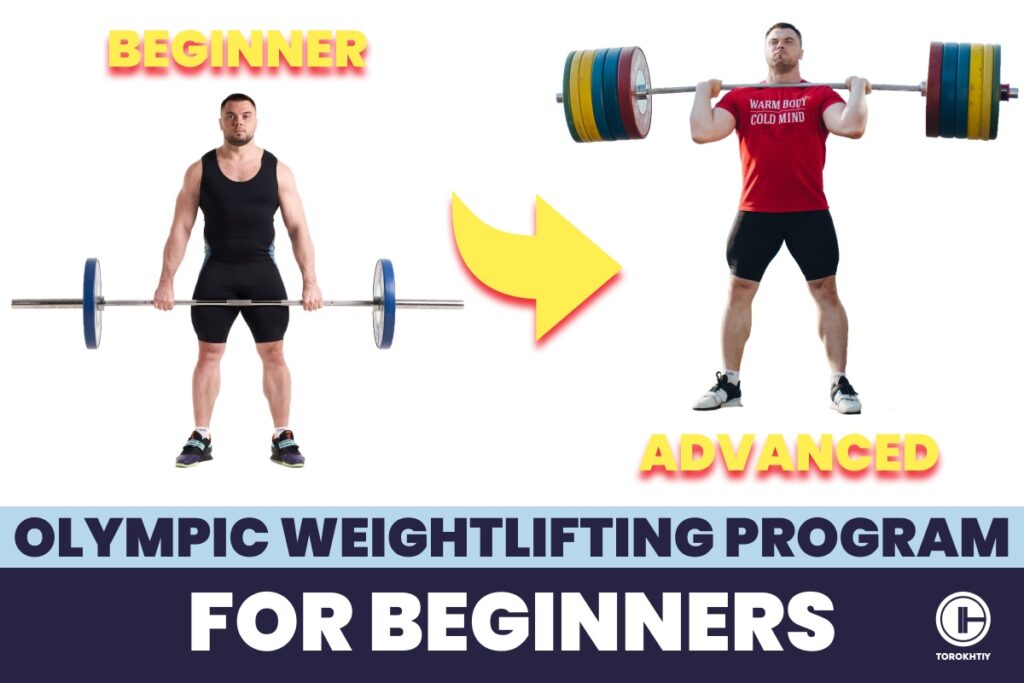
Some people confuse powerlifting with Olympic weightlifting or bodybuilding. Here’s a quick comparison:
| Sport | Main Focus | Lifts | Who Can Start? |
|---|---|---|---|
| Powerlifting | Maximum strength | Squat, Bench Press, Deadlift | Any age, any level |
| Olympic Weightlifting | Explosive power | Snatch, Clean & Jerk | Often requires more flexibility |
| Bodybuilding | Muscle size & looks | Many lifts | Anyone, but focus is on appearance |
Powerlifting is the most beginner-friendly because the movements are simple to learn and you can progress at your own pace.
Injury Risks In Powerlifting (and How To Avoid Them)
No sport is risk-free. But powerlifting injuries are mostly preventable. Here are the most common risks:
- Lower back strains
- Knee pain
- Shoulder issues
- Wrist strains
How to avoid them:
- Learn and practice proper form for every lift.
- Start with manageable weights and increase slowly.
- Strengthen your core with side exercises like planks.
- Warm up your joints with dynamic stretches.
- Take rest days for recovery.
Recent research shows injury rates in powerlifting are about 1 to 4 injuries per 1,000 hours of training—much lower than contact sports.
How To Find A Good Powerlifting Coach
A good coach can make a big difference for beginners. Here’s what to look for:
- Certification: Look for trainers certified by recognized organizations (like USAPL or IPF).
- Experience with beginners: They should know how to teach from the ground up.
- Attention to safety: Coaches should correct your form and prevent overtraining.
- Good communication: They should explain things in simple terms.
Many powerlifters start with a few in-person sessions, then train alone with occasional check-ins.
Sample Powerlifting Beginner Routine
Here’s a simple routine for someone just starting out. This is not a competition program, but it teaches the main lifts safely.
| Day | Main Lifts | Sets x Reps | Other Work |
|---|---|---|---|
| Monday | Squat, Bench Press | 3 x 5 each | Core work |
| Wednesday | Deadlift | 1 x 5 | Upper back |
| Friday | Squat, Bench Press | 3 x 5 each | Core work |
Tips:
- Rest at least one day between sessions.
- Add weight only when you can do all reps with good form.
- Ask for feedback on your technique often.
Non-obvious Safety Insights For Beginners
Most beginners focus on the barbell. But here are two often-missed points:
- Set your rack height properly: If the bar is too high or low, you might hurt your back getting into position. Always adjust the rack to your chest level for squats and just above eye level for bench press.
- Use collars on the bar: These small clips keep weights from sliding off. If you don’t use them, one side can tip, causing a dangerous situation.
When Should A Beginner Avoid Powerlifting?
Powerlifting is safe for most people, but you should wait or talk to a doctor if you:
- Have a recent serious injury or surgery
- Suffer from severe joint problems
- Experience ongoing pain with daily movements
- Are underage without supervision
In most other cases, starting with light weights and good supervision is safe.
Real Beginner Success Stories
Many successful powerlifters started with zero experience. For example, Megan Gallagher (known as “MegSquats”) began powerlifting after being a college athlete, but she knew nothing about the sport at first. She went from lifting just the empty bar to squatting over 300 lbs in a few years.
Her story shows that with patience and smart training, beginners can achieve great results safely.
You can read more about beginner experiences and safety studies on the Wikipedia Powerlifting Page.

Frequently Asked Questions
Is Powerlifting Dangerous For Beginners?
Powerlifting is not dangerous if you use proper form, start with light weights, and increase slowly. Most injuries happen when people skip these steps or try to lift too much.
How Old Do I Need To Be To Start Powerlifting?
Anyone can start, including teenagers and older adults. Many federations have age categories from youth to masters (over 40). Always get a medical checkup first if you have health concerns.
Do I Need Special Equipment As A Beginner?
At first, you only need comfortable clothes, flat shoes, and a safe gym. As you progress, you might use a belt, knee sleeves, or wrist wraps, but these are not required at the start.
How Long Before I See Results?
Most beginners notice strength gains in the first month. Visible muscle changes take a bit longer, usually 2–3 months with consistent training and good nutrition.
Can Women Do Powerlifting Safely?
Absolutely. Powerlifting is safe for women of all ages. Many female lifters find it empowering and enjoy the supportive community.
Powerlifting can be an exciting, safe, and rewarding path for beginners. With the right habits, guidance, and a focus on safety, you can build strength and confidence—one rep at a time.

