
Many people are drawn to CrossFit because of its energy, variety, and community spirit. For beginners, the excitement can be high—you see fast results, meet motivated people, and feel stronger with every workout. A common question arises: can beginners do CrossFit every day? The answer is not simple. Pushing yourself too much can lead to problems, but doing too little might slow your progress. If you are new to CrossFit, it’s important to find the right balance between enthusiasm and safety.
This article explores whether daily CrossFit is a good idea for beginners. You’ll learn about the benefits and risks, how to listen to your body, what experts recommend, and how to build a smart routine. We’ll also answer common questions and help you avoid mistakes many new CrossFitters make.
If you’re ready to get stronger and fitter, but want to stay healthy, read on.
What Is Crossfit And Why Is It Popular?
CrossFit is a high-intensity fitness program that combines weightlifting, cardio, and bodyweight exercises. Workouts are called WODs (Workouts of the Day). Each day is different, using movements like squats, push-ups, deadlifts, box jumps, and running. The goal is overall fitness—strength, speed, endurance, and flexibility.
People love CrossFit for a few reasons:
- Variety: No two workouts are the same. This keeps things interesting and challenges your body.
- Community: Classes are social. Members support each other, which keeps motivation high.
- Results: Many see fast improvements in strength, stamina, and confidence.
CrossFit is popular among all ages and fitness levels. The workouts can be changed, or “scaled,” to fit your ability.
What Happens When Beginners Do Crossfit Daily?
Starting CrossFit is exciting, and it’s tempting to jump in every day. However, daily intense training is very demanding—especially for beginners. Here’s what can happen if you try CrossFit every day from the start:
Possible Benefits
- Quick Progress: Your body adapts fast at first. You might notice increased energy, muscle tone, and better sleep.
- Building a Habit: Going daily can create a strong routine. Habits are easier to keep when you do them often.
Risks And Downsides
- Overtraining: Your muscles and joints need rest to recover and grow. Without rest, you risk injuries like strains or tendonitis.
- Fatigue: Too much exercise without enough recovery can lead to chronic tiredness. You may feel weak or lose motivation.
- Plateau or Regression: Training hard every day can lead to a plateau, where progress stops, or even regression—performance gets worse.
- Burnout: Mentally, doing too much can make you dread workouts or quit altogether.
Many beginners don’t realize that rest is part of training. Your body gets stronger during recovery, not just when you’re working out.

How Much Crossfit Is Safe For Beginners?
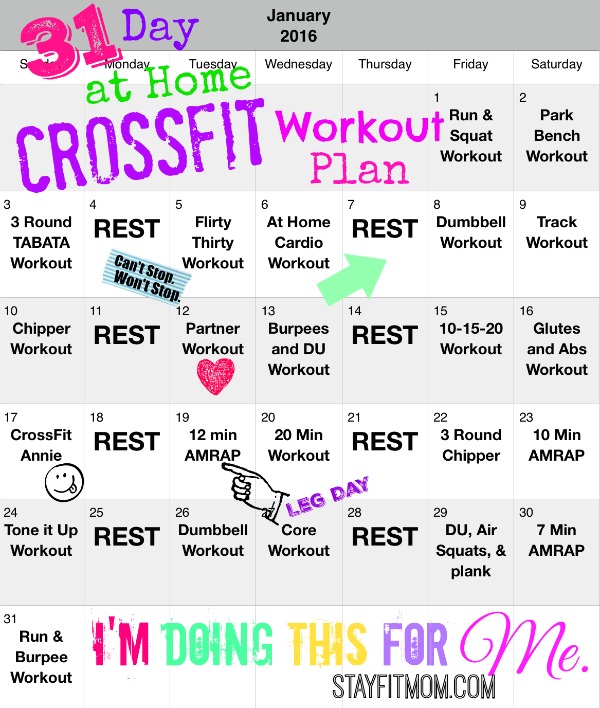
Most coaches and CrossFit gyms recommend starting with 3 to 4 workouts per week. This gives your body time to recover and adapt.
Sample Weekly Schedule
| Day | Workout | Focus |
|---|---|---|
| Monday | CrossFit WOD | Full-body strength & cardio |
| Tuesday | Rest or Light Activity | Walking, yoga, stretching |
| Wednesday | CrossFit WOD | Skill work & conditioning |
| Thursday | Rest or Light Activity | Recovery |
| Friday | CrossFit WOD | Strength & technique |
| Saturday | Optional Active Recovery | Light run, swim, or bike |
| Sunday | Rest | Full rest |
This schedule allows you to train hard, but also recover. Light activities on rest days can help blood flow and reduce muscle soreness.
Why Rest Days Matter
Rest days are not wasted time. They are when your body:
- Repairs muscle fibers broken down during workouts
- Refills energy stores (glycogen) in your muscles
- Reduces inflammation and soreness
- Prevents injury by giving joints and tendons a break
Skipping rest days can slow your progress and even reverse it. For beginners, rest is even more important because your body is still learning and adapting.
How To Tell If You’re Overtraining
Sometimes, it’s hard to know if you’re pushing too much. Watch for these signs:
- Sore muscles that never go away
- Sleep problems (trouble falling asleep or staying asleep)
- Loss of motivation or dread before workouts
- More injuries or joint pain
- Declining performance (lifting less, moving slower)
- Getting sick more often
If you notice these, take extra rest days. Listen to your body—it’s smarter than you think.
How To Build A Safe Crossfit Routine As A Beginner
You can still train often, but it’s important to be smart about it. Here’s how beginners can do CrossFit safely and effectively:
1. Start Slow And Scale
In your first few months, aim for 3-4 CrossFit sessions per week. Always scale the workout to your level—use lighter weights, fewer reps, or easier movements.
2. Focus On Technique
Good form prevents injuries. Don’t rush to lift heavy or move fast. Ask coaches for feedback and practice basic moves.
3. Use Rest And Active Recovery
Rest at least 2-3 days a week. On rest days, try light activities like walking, cycling, or stretching to stay loose.
4. Eat And Hydrate Well
CrossFit uses a lot of energy. Eat enough protein, carbs, and healthy fats. Drink plenty of water, especially after sweating.
5. Track Your Progress
Keep a simple workout log. Note how you feel, what you lifted, and how you performed. This helps you see improvements and spot signs of overtraining.
Comparing Beginner, Intermediate, And Advanced Crossfitters
It’s helpful to see how different experience levels approach training. Here’s a comparison:
| Level | Weekly Workouts | Rest Days | Main Focus |
|---|---|---|---|
| Beginner (0-6 months) | 3-4 | 3-4 | Technique, consistency |
| Intermediate (6-24 months) | 4-5 | 2-3 | Strength, endurance |
| Advanced (2+ years) | 5-6 | 1-2 | Performance, competition |
Beginners need more rest and focus on learning. Advanced athletes can handle more volume, but even they don’t train hard every single day.
Common Mistakes Beginners Make In Crossfit
- Doing too much, too soon: Starting with daily workouts or heavy weights increases injury risk.
- Ignoring pain: Discomfort is normal, but sharp or lasting pain is a warning.
- Comparing to others: Everyone starts at a different place. Focus on your own progress.
- Skipping warm-ups and cool-downs: These help prevent injuries and speed up recovery.
- Neglecting nutrition and sleep: Recovery is not just about days off—it’s also about what you eat and how you rest.
- Not asking for help: Coaches are there to guide you. Use their knowledge.
A non-obvious insight: Many beginners get caught up in the excitement and want to “prove themselves” every workout. This often leads to exhaustion and quitting. It’s more effective to focus on consistency, not intensity.
Signs You Can Increase Your Training Frequency
After several months, you might feel ready to do more. Here are signs you could add more CrossFit days:
- You recover quickly and feel energetic between workouts.
- Your technique is solid and injuries are rare.
- You look forward to training, not dread it.
- You can finish WODs without extreme fatigue.
Even then, increase training slowly—try adding just one extra day per week and see how your body responds.
The Importance Of Listening To Your Body
Each person is different. What works for your friend may not work for you. It’s important to pay attention to how you feel physically and mentally.
Some days you’ll feel great and want to push harder. Other days, you’ll be tired or stressed. It’s okay to adjust your plan. The best athletes listen to their bodies and take rest when needed.
What Science Says About Training Frequency
Research shows that 3-5 high-intensity workouts per week is best for most people. A study published in the *Journal of Strength and Conditioning Research* found that athletes who trained more than five times per week had higher rates of injury and burnout.
Another insight: Beginners often forget that muscles need 48-72 hours to fully recover after intense strength training. If you work the same muscle groups every day, you risk overuse injuries.
You can read more about CrossFit science at this Wikipedia page.
Example: Two Beginners, Two Outcomes
Let’s look at two new CrossFitters:
- Anna trains 6 days a week, always pushing hard. After two months, she feels tired and her knees hurt. She skips a week, loses motivation, and considers quitting.
- Ben trains 3 days a week, rests in between, and does light stretching on off days. After two months, he feels stronger, is injury-free, and looks forward to each session.
Anna’s story is common. Ben’s approach might be slower, but it leads to better long-term results.

How To Make Progress Without Overtraining
You can get fitter and stronger without going to the gym daily. Here’s how:
- Prioritize quality over quantity: Good technique and focused effort are more important than training every day.
- Mix intensity: Not every workout should be “all out.” Some days, go easier.
- Include mobility and flexibility work: Yoga, stretching, or foam rolling help prevent injuries.
- Celebrate small wins: Track your progress and set small goals.
A Realistic Crossfit Plan For Beginners
If you’re just starting, here’s a sample plan for your first month:
| Week | Sessions | Tips |
|---|---|---|
| 1 | 2-3 | Focus on learning movements and form |
| 2 | 3 | Try a variety of WODs, scale as needed |
| 3 | 3-4 | Add intensity if you feel good, keep rest days |
| 4 | 3-4 | Track how you feel, ask for feedback from coaches |
After a month, adjust based on your recovery, energy, and progress.
Final Thoughts
CrossFit is an effective and exciting way to get fit. For beginners, however, doing CrossFit every day is not recommended. Your body needs time to adjust, recover, and grow stronger. Start with 3-4 days per week, focus on good technique, and listen to your body. Rest is not a weakness—it’s what makes you better. Over time, you can safely increase your training, but patience and consistency are key. Remember, fitness is a lifelong journey, not a race.
Frequently Asked Questions
Can I Do Crossfit Every Day If I Scale The Workouts?
Scaling makes workouts safer, but intense daily sessions are still stressful for beginners. Even with lighter weights or fewer reps, your body needs time to recover. Start with 3-4 sessions weekly and add more only if you feel great after a few months.
What Are The Most Common Injuries For Beginners In Crossfit?
The most common injuries are shoulder strains, lower back pain, and knee issues. Most are caused by poor technique, lifting too heavy, or not resting enough. Learning proper form and taking rest days reduces your risk.
How Long Does It Take For Beginners To Adapt To Crossfit?
Most people start feeling comfortable with the movements and routine after 4-8 weeks. Strength and endurance gains appear in the first 2-3 months. Full adaptation and confidence often take 6 months or more.
Should I Do Other Workouts Along With Crossfit?
Yes, but keep it light. Activities like walking, swimming, or yoga are good on rest days. Avoid adding extra high-intensity sessions, especially at the start. This helps recovery and prevents burnout.
Is Crossfit Safe For All Ages And Fitness Levels?
CrossFit can be safe for most people if properly scaled and supervised by a qualified coach. Older adults or those with health issues should talk to a doctor before starting and always listen to their bodies.
If you’re new, take things slow, enjoy the process, and remember: smart training beats hard training every time.

