
Can Bcaa Help With Weight Loss?
Many people look for new ways to lose weight. Some try different diets or exercise routines, while others search for supplements that may give them an edge. One supplement that gets a lot of attention is BCAA, or branched-chain amino acids. Athletes, gym-goers, and people who want to get fit often ask: can BCAA help with weight loss?
Understanding the real impact of BCAA is not always easy. There are many opinions online, but not all are backed by science. Some say BCAA helps burn fat. Others believe it just helps build muscle. In this article, you’ll find clear, honest answers about BCAA and weight loss.
You’ll learn what BCAA is, how it works, what science says, and if it’s the right choice for your goals.
What Are Bcaa?
BCAA stands for branched-chain amino acids. These are a group of three important amino acids:
- Leucine
- Isoleucine
- Valine
Amino acids are the building blocks of protein. Your body needs protein for muscles, organs, skin, and almost every cell. Out of 20 amino acids, nine are “essential. ” This means your body cannot make them; you must get them from food.
BCAA makes up three of these essential amino acids.
What makes BCAA special is their “branched” chemical structure. This helps them act differently from other amino acids, especially in muscle tissue.
Where Do Bcaa Come From?
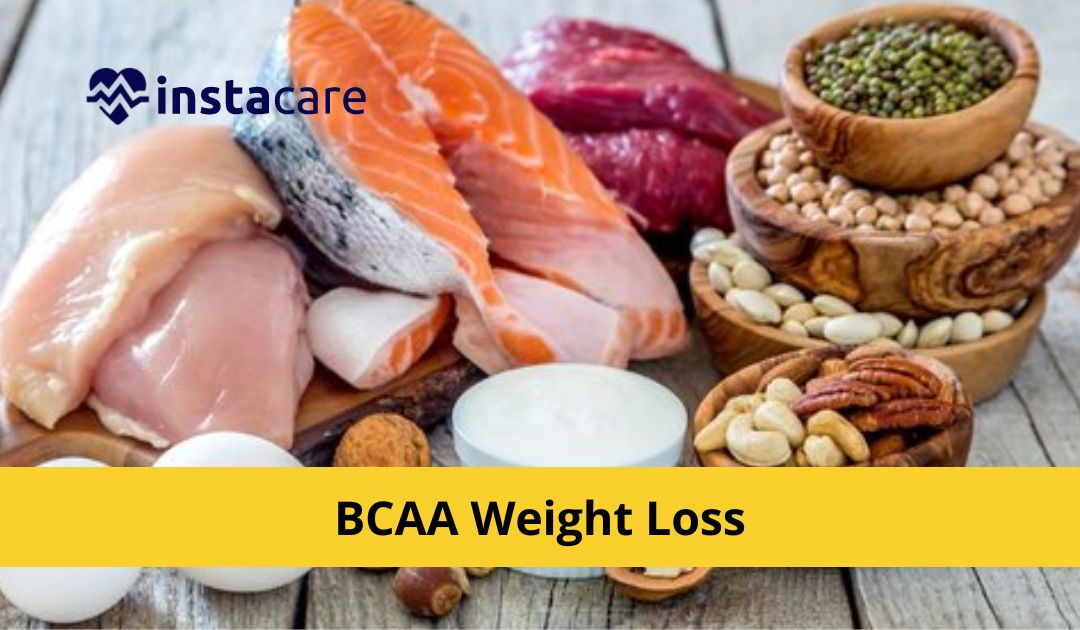
You get BCAA from foods with protein, such as:
- Meat (beef, chicken, pork)
- Fish
- Eggs
- Dairy (milk, cheese, yogurt)
- Legumes (beans, lentils)
- Some protein powders
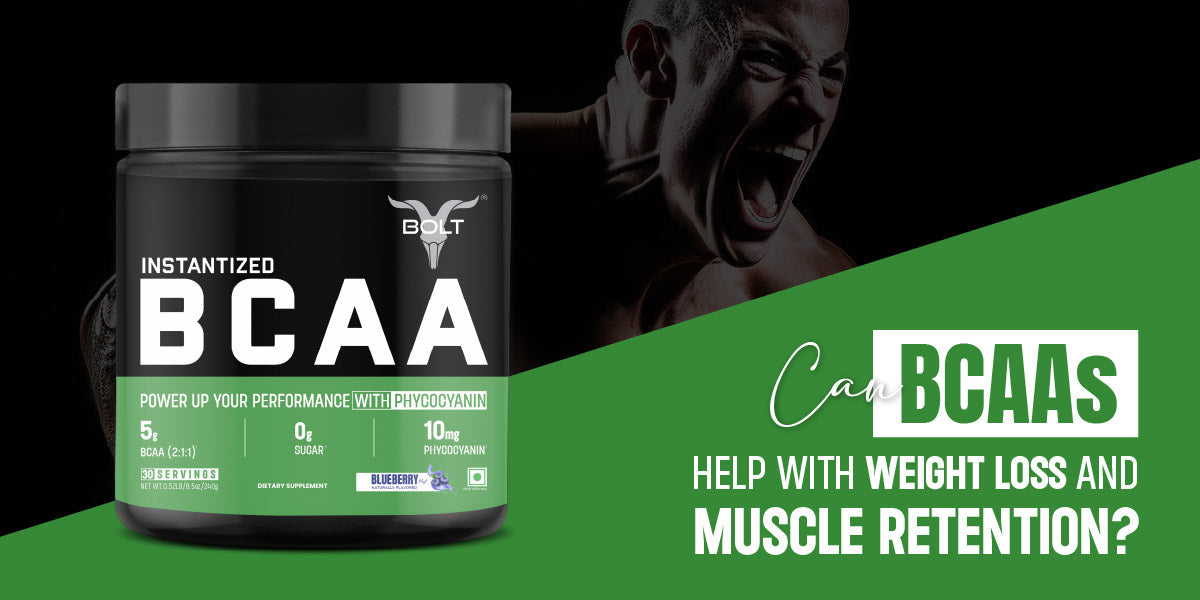
BCAA supplements usually come as powders, capsules, or drinks. They offer a concentrated dose of leucine, isoleucine, and valine.
How Do Bcaa Work In The Body?
BCAA are unique because the body uses them directly in the muscles for energy and repair. Most other amino acids must first go to the liver. This gives BCAA a special role in exercise and muscle health.
Main Functions
- Muscle Building: Leucine especially helps trigger muscle growth.
- Muscle Repair: BCAA helps fix muscles after hard exercise.
- Reduce Fatigue: They may lower tiredness during workouts.
- Prevent Muscle Breakdown: BCAA can protect muscle tissue when you eat less or exercise hard.

The Link Between Bcaa And Weight Loss
Many people believe that BCAA helps with fat loss. The idea is simple: if you keep more muscle and reduce tiredness, you may work out harder and lose more weight. But is it true?
What Science Says
Research on BCAA and weight loss is mixed. Some studies show small benefits, while others find no effect. Here’s what the science tells us:
- Muscle Retention: Several studies show BCAA can help keep muscle when you eat less. This is important because losing muscle slows your metabolism.
- Fat Loss: Some research suggests BCAA may help you lose more fat, especially belly fat. But the effect is usually small.
- Appetite Control: There is little strong evidence that BCAA alone reduces hunger.
- Exercise Performance: By reducing muscle soreness and tiredness, BCAA may help you train harder, which could lead to more calories burned.
Let’s look at some data. In a study of wrestlers on a calorie-restricted diet, those taking BCAA lost more body fat and kept more muscle than those who took a placebo. In another study with runners, BCAA helped reduce muscle soreness, letting them train more often.
But not all studies are positive. Some show no difference in fat loss between people who take BCAA and those who don’t, if both eat enough protein.
How Bcaa May Support Weight Loss
BCAA may help weight loss in several indirect ways. Here are the main ones:
1. Preserving Muscle Mass
When you diet, you lose both fat and muscle. Losing muscle is a problem because:
- Your metabolism slows down.
- You look less toned.
- You may feel weaker.
BCAA, especially leucine, signals your body to protect muscle even when calories are low. This means a higher metabolism and better body shape.
2. Boosting Workout Performance
Hard exercise is key to burning calories and losing fat. BCAA may:
- Reduce tiredness during workouts.
- Lower muscle soreness after exercise.
- Help you recover faster and train more often.
This means you can burn more calories and keep up your routine.
3. Supporting Fat Burning
Some studies suggest BCAA can increase the use of fat for energy. This is more likely when you exercise after fasting or with low carbs. But the effect is usually small and not the main reason for weight loss.
4. Preventing Overeating
There’s a theory that higher BCAA levels may help control hunger. But strong evidence is lacking. Eating enough protein (not just BCAA) is better for appetite control.
How Much Bcaa Do You Need?
Most people get enough BCAA from food if they eat enough protein. But athletes or those on strict diets may benefit from more.
Typical Dosage
- 5 to 12 grams per day is common in studies.
- The best ratio is often 2: 1:1 (leucine:isoleucine:valine).
You can split your dose before and after workouts or take it with meals.
Getting Enough From Food
Here’s how much BCAA is in 100 grams of common foods:
| Food | BCAA Content (grams) |
|---|---|
| Chicken Breast | 5.8 |
| Eggs | 1.7 |
| Whey Protein (1 scoop) | 5.5 |
| Greek Yogurt | 2.0 |
| Lentils | 1.3 |
| Salmon | 4.2 |
Most people who eat a balanced diet reach the recommended BCAA amount.
Bcaa Vs. Other Supplements For Weight Loss
BCAA are just one of many supplements people use for weight loss. Let’s compare BCAA with other popular options:
| Supplement | Main Benefit | Fat Loss Support | Muscle Protection |
|---|---|---|---|
| BCAA | Muscle recovery, energy | Small/indirect | Yes |
| Whey Protein | High-quality protein | Yes | Yes |
| Fat Burners | Increase metabolism | Sometimes | No |
| Green Tea Extract | Antioxidants, mild fat loss | Small | No |
| Caffeine | Energy, alertness | Small | No |
Whey protein often gives similar or better results for fat loss and muscle support. If you already eat enough protein, extra BCAA may not add much.
Who May Benefit Most From Bcaa?
Not everyone needs BCAA supplements. Here’s who may see the most benefit:
- People on Low-Calorie Diets: If you eat less food and protein, BCAA can help protect muscle.
- Vegetarians/Vegans: Some plant-based diets are lower in BCAA. Supplements can fill the gap.
- Older Adults: Aging causes muscle loss. BCAA (especially leucine) helps slow this.
- Athletes in Heavy Training: Extra BCAA may help with recovery and keeping muscle during intense exercise.
- People with Fasted Workouts: If you train in the morning before eating, BCAA can help prevent muscle breakdown.
Common Mistakes When Using Bcaa
Many people make errors with BCAA. Here are some to avoid:
1. Thinking Bcaa Are A Magic Solution
BCAA alone won’t cause weight loss. They work best as part of a healthy diet and exercise plan.
2. Ignoring Total Protein Intake
You need enough total protein, not just BCAA. Whole protein foods give all essential amino acids.
3. Overdosing
More BCAA is not always better. High doses can stress your kidneys and may cause side effects like fatigue or loss of coordination.
4. Skipping Meals
BCAA can’t replace balanced meals. They are a supplement, not a food.
5. Not Reading Labels
Some BCAA products contain sugar, calories, or artificial additives. Always check what you’re buying.
Safety And Side Effects Of Bcaa
BCAA are generally safe for healthy people in moderate doses. But there are important things to know.
Possible Side Effects
- Nausea
- Headache
- Fatigue
- Loss of coordination (rare)
People with certain medical conditions (like ALS, Maple Syrup Urine Disease, or kidney problems) should avoid BCAA supplements.
Who Should Be Careful?
- Pregnant or breastfeeding women
- People with kidney or liver disease
- Anyone on medication that affects blood sugar
Always talk to your doctor before starting any new supplement, especially if you have health concerns.
Bcaa And Exercise: Timing Matters
When you take BCAA may change how well they work.
Best Times To Take Bcaa
- Before Workouts: Helps protect muscle and reduce fatigue.
- After Workouts: Speeds up muscle repair.
- Between Meals: Useful if there are long gaps without food.
Some people sip BCAA during workouts (“intra-workout”), especially for long training sessions.
Bcaa And Women’s Weight Loss
Women often ask if BCAA works for them. The answer is yes, but the effects are similar to men.
Key Points For Women
- BCAA can help protect muscle during dieting.
- They are safe for most women in the right dose.
- BCAA won’t make you bulky.
- Combining BCAA with resistance training gives the best results.
Bcaa And Appetite: What’s The Truth?
Does BCAA help you eat less? The answer is not clear.
- Some studies show BCAA may lower hunger hormones for a short time.
- But real-life results are small and don’t last long.
- Eating enough whole protein is much better for appetite control.
Bcaa In Real Life: Success Stories
Many athletes and fitness fans use BCAA. For example, a bodybuilder on a strict diet may use BCAA to keep muscle while losing fat for a competition. Long-distance runners sometimes use BCAA to recover faster and avoid muscle loss.
But for the average person, a balanced diet and regular exercise are much more important than taking BCAA.
What The Experts Say
Many sports nutrition experts agree:
- BCAA can help protect muscle during hard exercise or low-calorie diets.
- They are not a magic fat burner.
- Most people get enough BCAA from food if they eat enough protein.
- For most, spending money on a good protein powder is better than buying BCAA alone.
According to a review on Healthline, BCAA supplements may be helpful in certain cases but are not essential for everyone.
Practical Tips For Using Bcaa
If you decide to use BCAA, here are smart ways to add them to your routine:
- Use with Exercise: Take BCAA before or after workouts for best results.
- Combine with Protein: BCAA works best if your total protein is a bit low or your training is very intense.
- Watch Your Dose: Stick to 5-12 grams per day. More is not better.
- Choose Quality: Buy from trusted brands with clear labels.
- Monitor Your Results: Notice how your body feels. If you don’t see benefits, you may not need them.
Comparing Bcaa Supplements
Not all BCAA products are the same. Here’s a quick look at what to compare when shopping:
| Feature | What to Look For | Why It Matters |
|---|---|---|
| Leucine Ratio | 2:1:1 or 4:1:1 | Higher leucine helps muscle growth |
| Purity | No fillers or sugar | Avoid extra calories |
| Form | Powder or capsules | Depends on preference |
| Flavor | No artificial sweeteners (if possible) | Better for health |
| Certification | Tested for purity | Ensures safety |
Non-obvious Insights About Bcaa And Weight Loss
Many beginners miss these important points:
- BCAA alone cannot replace a calorie deficit. You must eat fewer calories than you burn to lose weight. BCAA only helps protect muscle and may support training.
- Consistent exercise is key. Even with BCAA, skipping workouts will not help you lose weight.
- Protein quality matters. If your protein comes from poor-quality sources, BCAA can help. But if your diet is rich in animal protein or a complete plant-based mix, BCAA is less useful.
When Bcaa Are Not Needed
You probably do not need BCAA if:
- You already eat enough high-quality protein (e.g., 1.2–2.0 grams per kg body weight).
- Your goal is only fat loss, not muscle preservation.
- You are not doing regular resistance or high-intensity exercise.
Focus on a good diet and active lifestyle first.
Final Thoughts: Should You Use Bcaa For Weight Loss?
BCAA can play a role in weight loss, especially for people who want to keep muscle while losing fat. They are most useful for athletes, people on strict diets, or those with low protein intake. But for most people, BCAA is not a magic solution.
A balanced diet with enough protein and regular exercise works better for lasting results.
If you choose to use BCAA, use them wisely and combine them with other healthy habits. Always check with your doctor or a nutrition expert before starting any new supplement.
Frequently Asked Questions
What Are Bcaa Supplements Made From?
Most BCAA supplements are made from processed corn, soy, or other plant sources. Some older products used animal byproducts. Modern BCAA powders are usually vegan-friendly, but you should always check the label for details.
Do Bcaa Help Burn Belly Fat?
BCAA may help with overall fat loss by protecting muscle and supporting workouts. But there is no strong proof that BCAA targets belly fat specifically. A calorie deficit and exercise are still the most important factors.
Can I Take Bcaa On An Empty Stomach?
Yes, you can take BCAA before workouts, even if you have not eaten. This is common for people who exercise in the morning. BCAA are easy to digest and give your muscles quick support.
Are Bcaa Safe For Long-term Use?
For healthy adults, BCAA are safe in normal doses (5-12 grams daily). Long-term use is not linked to serious side effects if you have no medical problems. Still, it’s smart to take breaks and avoid very high doses.
Is It Better To Get Bcaa From Food Or Supplements?
Getting BCAA from food is best for most people. Whole foods give you not just BCAA, but also other nutrients your body needs. Supplements are helpful only if you struggle to get enough protein or have special needs.
If you want to learn more about the science behind BCAA, visit this Wikipedia page for detailed information.

