
Can Bcaa Cause Dehydration?
Many people use BCAA supplements to support muscle growth, reduce fatigue, and speed up recovery after exercise. But there’s a growing question in the fitness community: Can BCAA cause dehydration? Some athletes worry that taking BCAA drinks before or during workouts could dry them out or make them feel thirsty. Others believe BCAA might even help them stay hydrated. The truth is more complex than a simple yes or no. Understanding how BCAA interacts with your body, and how it may affect fluid balance, can help you make the best choices for your health and performance.
Let’s break down what BCAA really is, how it works in your body, and look closely at whether it can lead to dehydration. We’ll also cover the science, common myths, practical tips, and what you should watch out for, so you can decide if BCAA fits your fitness plan.
What Are Bcaas And Why Do People Use Them?
BCAA stands for Branched-Chain Amino Acids. These are three essential amino acids: leucine, isoleucine, and valine. Your body cannot make them, so you must get them from food or supplements.
BCAAs are unique because:
- They are quickly absorbed by muscles
- They help build and repair muscle tissue
- They can be used as an energy source during exercise
Most people use BCAA supplements for:
- Muscle recovery: To reduce soreness after workouts.
- Muscle growth: To stimulate protein synthesis.
- Reducing fatigue: To delay tiredness during long exercise.
- Preventing muscle breakdown: Especially during calorie-restricted diets.
BCAAs are found in foods like chicken, beef, fish, eggs, and dairy. But athletes often take them as powders, capsules, or ready-to-drink beverages for convenience.
How Bcaas Work In The Body
To understand if BCAA can cause dehydration, it’s important to know how they function after you consume them.
When you take BCAA:
- They enter the bloodstream and go directly to muscles.
- The body uses them to repair tissues and as a quick fuel source.
- Some BCAAs are broken down in the liver; the rest are used by muscles.
During intense workouts, your body breaks down more BCAAs for energy. This can help you train longer and recover faster.
But does this process affect your body’s water or electrolyte balance? That’s where the dehydration question begins.
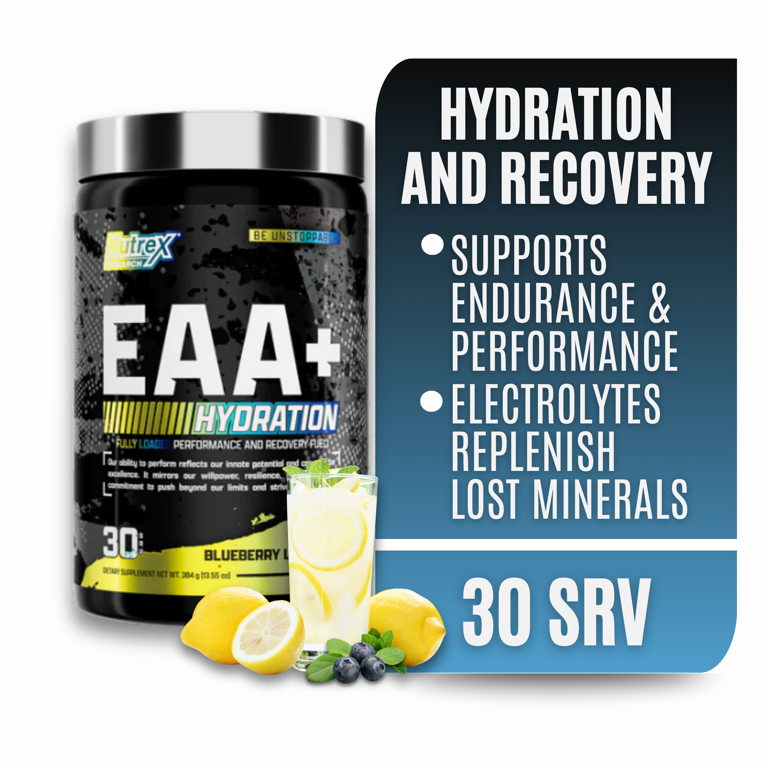
What Is Dehydration And How Does It Happen?
Dehydration means your body loses more fluids than it takes in. This can happen through sweating, urinating, breathing, or even diarrhea and vomiting.
Common causes of dehydration include:
- Heavy sweating from exercise or heat
- Not drinking enough water
- Illnesses that cause vomiting or diarrhea
- Taking certain medications (like diuretics)
Symptoms of dehydration:
- Thirst and dry mouth
- Dark yellow urine
- Fatigue or dizziness
- Headaches
- Muscle cramps
Serious dehydration can lead to heatstroke, kidney problems, and even heart issues.
Does Bcaa Cause Dehydration? The Science Explained
Let’s address the core question: Can BCAA cause dehydration? The answer is not as simple as it seems.
Bcaa And Fluid Loss: What The Research Shows
So far, there is no strong scientific evidence that taking BCAA directly causes dehydration in healthy adults. But there are a few factors to consider:
1. Nitrogen Waste Production
When you take extra protein or amino acids, your body breaks them down and creates nitrogen waste. The kidneys filter this waste out, which is then passed as urine. Some people believe that taking BCAA increases urination and could lead to dehydration. However, the effect of BCAA alone (not high-protein diets) on urine output is small for most people.
2. Bcaa And Electrolytes
Electrolytes like sodium, potassium, and magnesium help your body hold onto water. Some BCAA supplements are mixed with electrolytes, while others are not. If you’re sweating a lot and only drinking plain BCAA (no electrolytes), you might lose more salt and water, increasing the risk of dehydration.
3. Osmotic Effect
High concentrations of any supplement, including BCAA, can sometimes draw water into the intestines. This is called an osmotic effect. If you take large doses of BCAA powder without enough water, it could cause mild digestive upset or make you feel thirsty, but this is rare with normal use.
What About Thirst?
Some people report feeling thirsty after taking BCAA supplements. This is usually because the powder or drink is concentrated, and your body signals you to drink more water to balance it out.
Indirect Risk: Overreliance On Supplements
A non-obvious risk is that athletes may use BCAA drinks instead of plain water during exercise, thinking they are covering hydration needs. But unless those drinks contain enough fluids and electrolytes, you may still fall short, especially in hot or humid conditions.
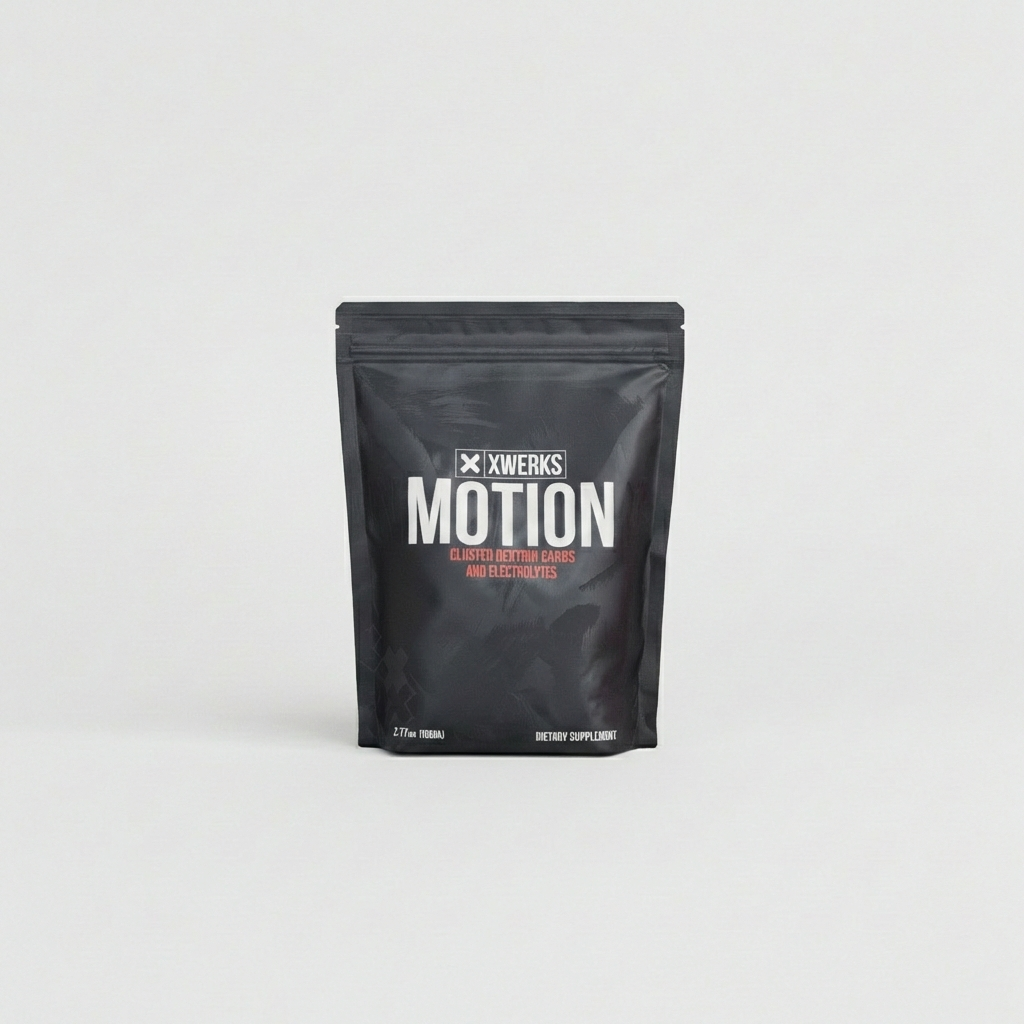
Comparing Bcaa Drinks, Sports Drinks, And Water
To see how BCAA drinks stack up against other options, here’s a look at their typical contents:
| Beverage | Contains BCAA | Contains Electrolytes | Main Purpose |
|---|---|---|---|
| BCAA Drink (plain) | Yes | No | Muscle support |
| BCAA + Electrolyte Drink | Yes | Yes | Muscle and hydration |
| Sports Drink (e.g., Gatorade) | No (usually) | Yes | Hydration and energy |
| Plain Water | No | No | Hydration |
Key insight: If your BCAA drink doesn’t have electrolytes, it’s not as effective for hydration as a sports drink or water with added electrolytes.
Common Myths About Bcaa And Dehydration
Myth 1: “bcaa Supplements Always Make You Dehydrated.”
This is not true. Most people who use BCAA as directed will not become dehydrated because of the supplement itself. Dehydration is more likely from not drinking enough water before, during, or after your workout.
Myth 2: “bcaa Drinks Replace The Need For Water.”
While BCAA drinks can provide some fluid, they are not a substitute for regular water intake—especially if they don’t have enough electrolytes.
Myth 3: “you Should Avoid Bcaa If You Sweat A Lot.”
There is no evidence that people who sweat a lot should avoid BCAA. In fact, if you’re training hard and eating less protein, BCAA can help recovery. Just make sure to drink plenty of water and consider electrolyte-rich drinks for long sessions.
Myth 4: “more Bcaa Means More Dehydration.”
Taking huge amounts of any supplement is not recommended. Standard doses of BCAA (5-10 grams per serving) are unlikely to cause problems, but very high intakes (over 20 grams per day) may stress the kidneys in people with kidney problems.
When Can Bcaa Increase Dehydration Risk?
There are a few situations where BCAA could contribute, even indirectly, to dehydration:
- Taking BCAA without enough water: If you mix a strong BCAA powder in a small amount of liquid and don’t drink extra water, you may feel thirsty or dehydrated, especially in hot weather.
- Using BCAA-only drinks during long workouts: If you use only BCAA (without electrolytes) as your main drink during endurance exercise, you can lose salts through sweat and not replace them, leading to a higher risk of dehydration.
- High protein or amino acid intake: If you combine BCAA with a very high-protein diet, your kidneys must filter more nitrogen waste. This can increase urine output, but in healthy people, this is rarely a problem if fluid intake is adequate.
- Pre-existing kidney problems: People with kidney disease should limit protein and amino acid supplements, including BCAA, as their kidneys may struggle to process the extra waste.
Practical Tips To Avoid Dehydration When Using Bcaa
You can safely use BCAA and avoid dehydration by following a few simple steps:
- Always mix BCAA with enough water. Check the label for the recommended water-to-powder ratio. Most brands suggest 250-400 ml (about 8-14 oz) per serving.
- Drink extra water before, during, and after workouts. Even if your BCAA drink is hydrating, you still need plain water.
- Choose BCAA products with added electrolytes if you sweat heavily or exercise for over an hour.
- Watch for signs of dehydration like dry mouth, dark urine, or dizziness, and act quickly if you notice them.
- Adjust your dose: Stick to recommended doses (5-10 grams per serving) unless advised otherwise by a health professional.
- Balance your total protein intake: Don’t overload your body with protein shakes and BCAA together, especially if you have kidney concerns.
- Monitor your urine color: Light yellow means you’re likely well-hydrated; dark yellow may signal dehydration.
Bcaa Vs. Other Supplements: Dehydration Risks
Let’s compare BCAA with other common workout supplements and see how they affect hydration:
| Supplement | Dehydration Risk | Notes |
|---|---|---|
| BCAA | Low (if used properly) | Ensure enough water, watch for kidney issues |
| Creatine | Moderate | Can pull water into muscles; drink extra water |
| Caffeine | Moderate | Acts as a mild diuretic; can increase urine |
| Protein Powders | Low-Moderate | High doses can stress kidneys; balance with water |
| Electrolyte Tablets | Low | Support hydration, especially in hot weather |
Non-obvious insight: Creatine is more likely to affect water balance than BCAA, since it draws water into muscle cells. Combining creatine and BCAA may require even more attention to fluid intake.
What Do Studies Say About Bcaa And Hydration?
Several research studies have looked at BCAA and hydration, though most focus on performance and recovery.
- A 2018 review in the journal Nutrients found no evidence that BCAA cause dehydration in healthy adults at normal doses.
- An older study in Medicine & Science in Sports & Exercise tested endurance athletes given BCAA and found no significant difference in hydration markers compared to those who drank only water.
- Most sports nutrition guidelines, including those from the International Society of Sports Nutrition, do not list BCAA as a dehydration risk, but do warn about high protein intake in people with kidney concerns.

How Much Bcaa Is Safe To Take?
The standard BCAA dose is 5-10 grams per serving, up to twice a day. Some bodybuilders may use more, but studies show little extra benefit above 20 grams per day. For most people, sticking to recommended doses is safest.
BCAA is generally considered safe for healthy adults, but always talk to your doctor if you have kidney issues, liver disease, or are pregnant or breastfeeding.
Who Should Be Careful With Bcaa Supplements?
Most healthy adults can use BCAA safely. But some people should be more cautious:
- People with kidney disease: Extra amino acids can stress weak kidneys.
- People with liver disease: The liver also processes amino acids.
- Children and teenagers: Not recommended unless advised by a doctor.
- Pregnant or breastfeeding women: Use only with medical guidance.
For most gym-goers and athletes, BCAA is safe if you stay hydrated.
Practical Scenarios: Real-life Examples
Example 1: The Endurance Runner
Sara runs marathons and sweats a lot. She uses a plain BCAA drink during her long runs. After a race, she feels dizzy and her urine is dark. This is likely due to electrolyte loss, not the BCAA itself. She should switch to a BCAA product with electrolytes, or combine her drink with a sports beverage.
Example 2: The Weightlifter
Ahmed lifts weights in an air-conditioned gym. He uses BCAA mixed with 400 ml of water before his session. He feels fine and recovers quickly. Since he is not sweating heavily, plain BCAA with water is enough for him.
Example 3: The Dieter
Lina is on a calorie-restricted diet and uses BCAA to prevent muscle loss. She takes two servings daily but forgets to drink extra water. She begins to feel fatigued and her mouth is dry. Increasing her water intake solves the problem.
How To Spot Dehydration Early
Many people miss the early signs of dehydration until it affects their performance or mood. Watch for:
- Unusual thirst
- Headache or trouble focusing
- Dry lips or mouth
- Less frequent urination
- Sudden drop in workout performance
If you notice these signs, drink water right away and rest if needed.
Expert Advice: Staying Hydrated With Bcaa
- For every serving of BCAA, add at least 250 ml (about 8 oz) of water.
- If you exercise for more than 60 minutes, add an electrolyte-rich drink.
- In hot weather, increase your water intake by 30-50%.
- Don’t wait until you feel thirsty to drink; sip water regularly throughout the day.
Summary: Should You Worry About Bcaa And Dehydration?
For most healthy people, BCAA supplements do not cause dehydration when used as directed and paired with enough water. Dehydration is more likely to happen from intense exercise, hot weather, or not drinking enough fluids, not from the BCAA itself.
However, there are some situations where BCAA could indirectly contribute, especially if used without enough water or electrolytes. People with kidney or liver problems should be cautious.
The bottom line: If you use BCAA, drink plenty of water, consider your electrolyte needs, and watch for early signs of dehydration—especially during hard or long workouts.
For more on sports nutrition and hydration, see the National Institutes of Health.
Frequently Asked Questions
Can Bcaa Supplements Replace Water During Workouts?
No, BCAA supplements do not replace water. While they provide some fluids, they do not offer the same hydration benefits as water or electrolyte-rich sports drinks. Always drink extra water, especially during long or intense exercise.
Is It Safe To Take Bcaa Every Day?
For most healthy adults, taking BCAA daily at recommended doses (5-10 grams per serving, up to twice a day) is safe. If you have kidney or liver problems, consult your doctor first.
Does Bcaa Make You Pee More?
Taking BCAA at normal doses does not usually increase urination. Very high protein or amino acid intake, especially in people with kidney issues, can increase urine output as the body removes extra nitrogen waste. For most people, this is not a concern.
Should I Add Electrolytes To My Bcaa Drink?
If you exercise for more than 60 minutes, sweat a lot, or train in hot weather, it’s smart to add electrolytes or use a BCAA product that contains them. This helps prevent dehydration and keeps your muscles working properly.
Who Should Avoid Bcaa Supplements?
People with kidney disease, liver disease, or those who are pregnant or breastfeeding should avoid BCAA unless advised by a healthcare professional. Children and teens should also be cautious unless directed by a doctor.
Staying informed and making smart choices with your supplements will help you perform your best, stay hydrated, and stay healthy.

