
Can Bcaa Be Taken On An Empty Stomach?
Many people who work out or play sports hear about BCAA supplements. These are popular for muscle growth, recovery, and energy. But one question often comes up: Can you take BCAA on an empty stomach? This topic is more important than it sounds. The answer can change how effective BCAA is for your goals, and even how your body feels.
Some people believe that taking BCAA before breakfast helps stop muscle loss. Others worry it may cause stomach upset or not work as well without food. There are lots of opinions, but what does science say? Is it safe? Is it helpful?
And does timing really matter?
In this article, you’ll get clear answers to all these questions. We will explain what BCAA is, how it works, and what happens when you take it on an empty stomach. You’ll learn about the benefits, risks, and mistakes to avoid.
We’ll also look at who should and should not take BCAA without eating. If you want real, practical advice, you’ll find it here.
What Are Bcaas?
BCAA stands for branched-chain amino acids. These are three essential amino acids: leucine, isoleucine, and valine. Your body cannot make them, so you need to get them from food or supplements.
Why Are Bcaas Important?
BCAAs are different from other amino acids. They go straight to your muscles instead of being processed by the liver first. This means they can help build and repair muscle quickly, especially after exercise. They also give energy during workouts and may help reduce tiredness.
Where Do You Find Bcaas?
You get BCAAs from foods like:
- Chicken
- Fish
- Eggs
- Dairy products
- Soy
- Beans
Supplements are popular because they deliver a fast, concentrated dose. Athletes, bodybuilders, and people who want to keep muscle while losing fat often use BCAA powders or capsules.
How Does Bcaa Work In The Body?
BCAAs play several roles in your body, but they’re most famous for muscle support and energy.
- Muscle protein synthesis: Leucine, especially, triggers muscle growth.
- Energy during exercise: Muscles use BCAAs as fuel when you work out.
- Reduce muscle breakdown: BCAAs can slow down muscle loss during hard exercise or when you eat less.
- Fight tiredness: They may help reduce fatigue by affecting brain chemicals.
What Does “empty Stomach” Mean?
This is an important detail. Taking BCAA on an empty stomach means you have not eaten any food for several hours, usually overnight or before a meal. Your stomach is not digesting anything else. This is different from taking BCAA with a meal or snack.
Some people do this early in the morning before breakfast, or before a workout when they have not eaten for a while.
What Happens When You Take Bcaa On An Empty Stomach?
Let’s look at what actually happens in your body if you take BCAA without any food.
Fast Absorption
BCAAs are free-form amino acids, meaning your body doesn’t have to break them down from protein. When your stomach is empty, BCAAs are absorbed quickly into your blood. This can be helpful if you want fast energy or muscle protection.
Blood Sugar Remains Stable
BCAA supplements usually do not contain sugar or carbs. Taking them on an empty stomach generally does not cause a spike or drop in blood sugar. This is good for people who want to avoid energy crashes.
Insulin And Fat Burning
Some studies suggest that BCAA can cause a small rise in insulin. Insulin helps amino acids enter muscles. For people who fast or want to burn fat, this small effect usually does not “break the fast” or stop fat burning. But if you are very strict about fasting, this is something to consider.
No Competition From Other Nutrients
When you take BCAA alone, there’s no competition from other amino acids in food. This may help BCAA get to your muscles faster. Some experts believe this is why BCAA works well before fasted workouts.

Benefits Of Taking Bcaa On An Empty Stomach
Now let’s look at the main reasons people choose to take BCAA before eating.
1. Protects Muscle During Fasted Training
If you work out before breakfast, your body may start breaking down muscle for energy. Taking BCAA can help stop this. Leucine signals your body to protect muscle and use fat for energy instead.
2. Quick Energy Boost
BCAA can be used directly by muscles for energy. If you have not eaten, BCAA gives your body a quick, easy fuel source without waiting for digestion.
3. May Reduce Soreness
Some studies show that taking BCAA before exercise can reduce muscle soreness later. This may help you recover faster and train more often.
4. Supports Fat Loss
Many people use BCAA during weight loss or fasting. The idea is to keep muscle while burning fat. BCAA can help reduce muscle loss when you eat less, especially if you exercise without eating.
5. May Reduce Hunger
A non-obvious benefit: BCAA can sometimes help control hunger during fasting. Amino acids can signal your brain to feel less hungry, making it easier to stick to your plan.
Is It Safe To Take Bcaa On An Empty Stomach?
For most healthy people, taking BCAA on an empty stomach is considered safe. There are few reports of serious side effects. However, everyone’s body is different.
Possible Side Effects
- Mild stomach discomfort: Some people feel a little nausea or bloating if they take BCAA without food. This is not common, but it can happen, especially with higher doses.
- Unpleasant taste: BCAA powder can be bitter. Taking it without mixing into a flavored drink may taste bad.
- Headache or fatigue: In rare cases, some people notice a mild headache or tired feeling. This may happen if you use too much.
Who Should Be Careful?
- People with medical conditions: If you have kidney or liver problems, talk to a doctor first.
- Pregnant or breastfeeding women: There is not enough research, so it’s best to avoid.
- Children: BCAA supplements are not for kids unless a doctor says so.
When Is The Best Time To Take Bcaa?
Timing depends on your goals. Here’s what research and experts usually recommend:
| Goal | Recommended BCAA Timing |
|---|---|
| Fasted workouts (no breakfast) | 15-30 minutes before exercise |
| Muscle recovery | Right after workout |
| Long endurance training | Before and during exercise |
| Fat loss (while dieting) | Between meals or during fasting |
| General muscle support | Any time of day |
For most people, before a workout (especially if fasted) or after a workout are the most effective times.
How Much Bcaa Should You Take On An Empty Stomach?
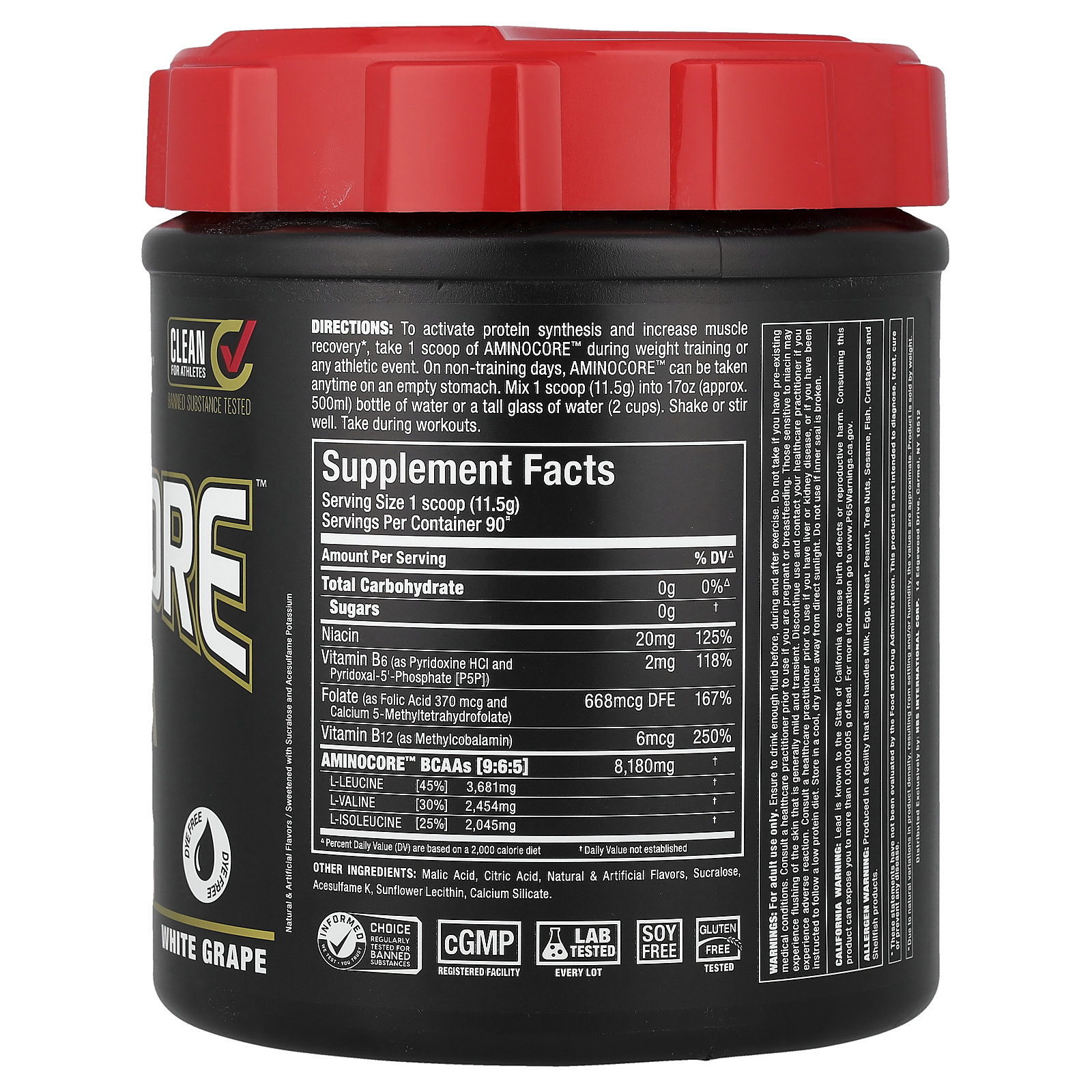
Standard doses are usually 5-10 grams at a time. But the right amount depends on your size, goals, and how your body reacts.
- For muscle protection: 5 grams before fasted training is common.
- For muscle gain or recovery: 5–10 grams after exercise.
- During long workouts: Some people take another 5 grams every 1–2 hours.
Too Much Is Not Better
Taking large amounts does not mean better results. In fact, too much BCAA can stress your kidneys and may cause side effects. Start with a small dose and see how you feel.
Common Mistakes When Taking Bcaa On An Empty Stomach
Many people use BCAA the wrong way and get less benefit. Here are mistakes to avoid:
1. Taking With Caffeine Only
Some people mix BCAA with only coffee or an energy drink. This can irritate your stomach, especially if you are sensitive. Try mixing BCAA with water or a mild drink instead.
2. Using Bcaa As A Meal Replacement
BCAA is not a full meal. It does not provide all the nutrients your body needs. Do not skip meals and use BCAA as your only food.
3. Overdosing
More is not better. Stick to recommended doses. Taking too much can upset your stomach and may harm your kidneys over time.
4. Ignoring Quality
Not all BCAA supplements are equal. Cheap brands may use low-quality ingredients or add fillers. Choose a trusted brand that shows amino acid content and has good reviews.
5. Forgetting Hydration
BCAA can make you slightly dehydrated if you do not drink enough water. Always drink a glass of water with your BCAA, especially if training hard.
Who Should Take Bcaa On An Empty Stomach?
Not everyone needs BCAA, and not everyone benefits from taking it without food. Here’s who may find it useful:
1. People Who Train Before Breakfast
If you exercise early in the morning, BCAA can help protect muscle and give fast energy.
2. People Doing Intermittent Fasting
If you skip breakfast or use time-restricted eating, BCAA may help you keep muscle while losing fat.
3. Athletes During Competition
Endurance athletes sometimes use BCAA during long races to prevent muscle loss and delay fatigue.
4. Bodybuilders During Cutting
When bodybuilders reduce calories to get lean, BCAA can help keep muscle while losing fat.
5. People On Low-protein Diets
If you cannot eat much protein from food (for example, vegans with limited options), BCAA may help fill the gap.
Who Should Avoid Bcaa On An Empty Stomach?
Some people are better off not taking BCAA without food.
- People with sensitive stomachs: If you feel sick or bloated, take BCAA with a small snack or after a meal.
- Those with medical issues: Kidney or liver disease means you should avoid extra amino acids unless your doctor says it’s OK.
- People who get enough protein: If your diet is already high in protein, you may not need BCAA at all.
Does Bcaa Break A Fast?
This is a common question, especially for people who fast for health or religious reasons.
The Science
BCAA contains calories (about 4 per gram) and triggers a small insulin response. Strictly speaking, BCAA does break a “true” fast. However, it does not stop fat burning or muscle protection for most people.
- If your goal is fat loss or muscle support: BCAA is usually fine during fasting.
- If your goal is pure fasting (autophagy): BCAA may interrupt the process.
Bcaa Vs. Whole Protein On An Empty Stomach
Some people wonder: Why not just eat protein instead of BCAA?
| Feature | BCAA Supplement | Whole Protein (e.g. whey, eggs) |
|---|---|---|
| Absorption speed | Very fast | Slower (needs digestion) |
| Calories | Low (20–40 per serving) | Higher (100+ per serving) |
| Muscle protection in fasting | High | Moderate (may slow fat loss) |
| Full amino acid profile | No | Yes |
| Convenience | Very convenient | Less convenient |
BCAA is best for fasted training when you want quick action and few calories. Whole protein is better for full nutrition, but it takes longer to digest.
What Does Research Say About Bcaa On An Empty Stomach?
Many studies have looked at BCAA, but not all focus on empty stomach use. Here’s what research shows:
- Muscle protection: Studies show BCAA before exercise can reduce muscle loss, especially in fasted training.
- Performance: Some research finds BCAA helps with endurance and strength, but other studies show no effect. Results depend on the person and type of workout.
- Fatigue and soreness: BCAA can reduce tiredness and soreness after hard workouts.
- Fat loss: There is some evidence BCAA helps keep muscle during dieting, but whole protein is usually better for building muscle.
A practical insight: Most benefits come when your diet is low in protein or when you train hard before eating. If you already get enough protein, extra BCAA may not give much extra help.
How To Take Bcaa On An Empty Stomach
If you decide to use BCAA before eating, here’s how to do it right:
- Choose a clean supplement: Look for a trusted brand with no sugar, artificial colors, or fillers.
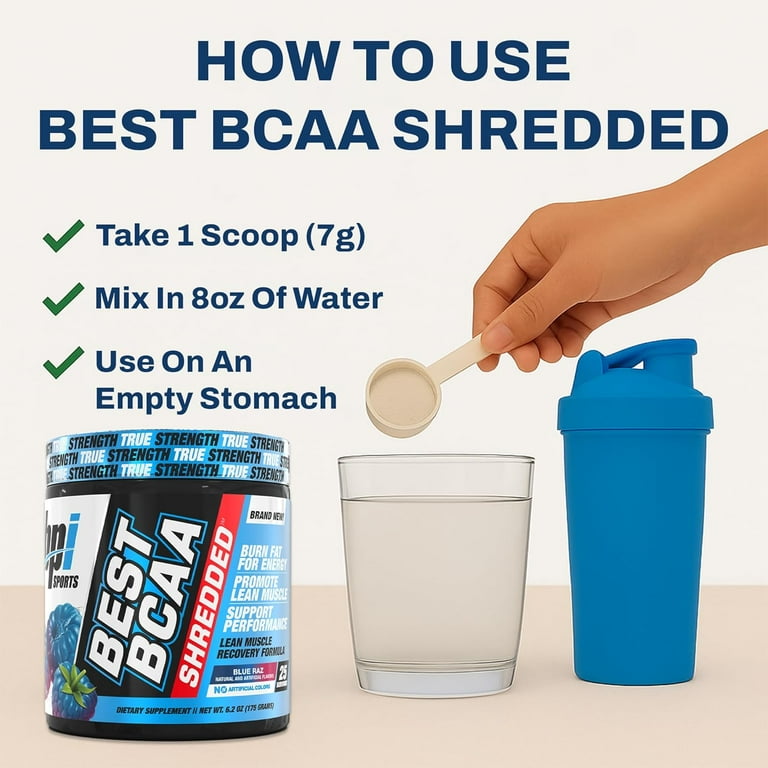
- Mix with water: This helps with quick absorption and avoids stomach upset.
- Take 15–30 minutes before exercise: This gives your body time to absorb the amino acids.
- Start with 5 grams: Increase only if you do not feel any side effects.
- Hydrate: Drink extra water, especially if you sweat a lot.
- Notice how you feel: If you get nausea or cramps, try a lower dose or take with a small snack.
- Cycle your use: You do not need BCAA every day. Use it when training hard or fasting.
Non-obvious Insights For Better Results
Many beginners miss these details:
- BCAA powder is better absorbed than capsules: Capsules take longer to break down, especially on an empty stomach. If you want fast action, powder is better.
- Balance with other amino acids: Your body needs more than just leucine, isoleucine, and valine. If you always use only BCAA and not full protein, you may miss other important amino acids over time.
Real-world Example
Anna is a 30-year-old who trains at 6 am before work. She skips breakfast, takes 5 grams of BCAA with water, and feels less tired during her workout. She notices less muscle soreness and does not lose muscle while dieting.
Her friend, who eats a big breakfast instead, does not need BCAA and feels fine. The key is personal choice and what fits your routine.
Is Bcaa For Everyone?
No. BCAA is a tool, not a magic pill. If you eat enough protein, sleep well, and train smart, you may not need extra supplements. But for people who train hard without eating, or want to protect muscle during fasting, BCAA can be a helpful addition.
For a deeper look at amino acids, visit the Wikipedia page on BCAA.
Frequently Asked Questions
Can I Take Bcaa First Thing In The Morning Before Breakfast?
Yes, you can. Many people do this to protect muscle during early workouts or fasting. Start with a small dose (5 grams) and see how your body feels.
Will Bcaa Cause Stomach Pain If I Have Not Eaten?
Most people do not have problems, but some may feel mild discomfort. If this happens, try taking BCAA with a little water or a small snack.
Does Bcaa Break My Fast?
Technically, yes, because BCAA contains calories and triggers a small insulin response. But for most fitness goals, it does not stop fat burning or muscle protection.
Should I Take Bcaa Every Day?
No, you do not need to. Use BCAA on days you train hard, fast, or need extra muscle support. If your diet is rich in protein, you may not need BCAA often.
Is Bcaa Safe For Women?
Yes, BCAA is safe for healthy women. The dose is the same as for men. Pregnant or breastfeeding women should ask their doctor before using any supplement.
If you think carefully about your goals and listen to your body, you can decide if taking BCAA on an empty stomach is right for you. Use these tips to get the best results, stay safe, and enjoy your training.

