
Finding the best weightlifting shoes can make a big difference in your lifts. The right shoes provide stability, support, and a solid base. They help you maintain proper form and prevent injuries. Weightlifting shoes usually have a raised heel, which improves ankle mobility and allows for deeper squats. Comfort and durability are also key factors to consider. Whether you’re training for strength or competition, having the right footwear is essential. Let’s take a closer look at what makes certain shoes stand out in the weightlifting world.
Manueklear Anti-slip Weightlifting Shoes
These Best Weightlifting Shoes are designed for men and women focused on stable, heavy lifting sessions.

The MANUEKLEAR Anti-Slip Weightlifting Shoes offer a solid solution for athletes who need stability during heavy lifts like deadlifts and squats. Their reinforced heels and widened chassis reduce wobbling and improve ground contact, which is critical for maintaining balance and form. The eco-friendly materials also add value by resisting wear and moisture damage.
Wearing these shoes feels secure and comfortable thanks to the combination of laces and magic tape straps that lock your feet in place. The interior lining is breathable, helping to keep feet dry during intense workouts. Overall, they provide confidence to focus on your lifts without distraction.
Performance and Practical Use
- Secure fit with combined laces and straps.
- Stable heel design supports heavy lifting.
- Durable outsole with enhanced slip resistance.
- Breathable interior lining keeps feet comfortable.
- Eco-friendly materials resist deformation and wear.
Considerations Before Buying
- Limited color option (Obsidian Black) may not suit everyone.
- Heel height difference might feel unusual if you prefer flat shoes.
- Best for lifting; may not be ideal for general running or casual wear.
Thoughts on Suitability
This shoe is well-suited for weightlifters who prioritize stability and durability during heavy lifts. Its reinforced design and slip-resistant sole support confidence in demanding gym environments. If you need reliable shoes strictly for lifting, this model delivers.
However, if you want a more versatile shoe for various workouts or casual use, the specialized heel and fit might feel restrictive. Also, those preferring more color choices or a flatter sole might want to explore alternatives.
Final Takeaway for Serious Lifters
The MANUEKLEAR weightlifting shoes fit best with lifters focused on maximizing stability and support during heavy lifts. They are less suited for anyone needing a multi-purpose training shoe or preferring minimal heel elevation. For those who do choose them, I suggest trying the fit carefully due to the secure strap system and heel design. Overall, these shoes provide a steady foundation to build strength with confidence and less distraction.
Manueklear Deadlift Weightlifting Shoes
The MANUEKLEAR Deadlift Shoes are among the Best Weightlifting Shoes designed for men and women who prioritize comfort and stability during heavy lifts.

The MANUEKLEAR Deadlift Shoes are specialized footwear tailored for weightlifters seeking a blend of stability and flexibility. They address the common challenge of finding shoes that fit snugly yet allow natural foot movement, featuring a lightweight design that feels as thin as socks while providing solid support.
Using these shoes feels secure thanks to the widened sole and reinforced grip, which helps maintain balance during lifts. The breathable mesh keeps feet dry, and the easy velcro straps make putting on and taking off quick. I found they add confidence without feeling bulky or restrictive.
Real-World Experience with MANUEKLEAR Deadlift Shoes
- Lightweight design enhances natural movement and reduces foot fatigue.
- Breathable mesh keeps feet comfortable during intense workouts.
- Wide sole offers strong lateral support for stability in squats and deadlifts.
- Velcro straps allow quick adjustments and secure fit.
- Durable rubber sole provides good traction and abrasion resistance.
Considerations Before Choosing These Shoes
- Limited size range may not fit all foot shapes perfectly.
- The minimalist cushioning might feel less forgiving for those used to padded shoes.
- Primarily designed for weightlifting; may not suit casual or running use well.
Thoughtful Choice for Focused Lifters
This shoe suits those who want a close-to-barefoot feel but still need solid foot support during lifts. If you prioritize a lightweight and breathable shoe for gym-based weightlifting, this could be a reliable option.
However, if you prefer heavily cushioned shoes or need broader size options, you might find these less comfortable. A practical tip is to pair them with thin socks to maximize the snug fit and comfort.
Overall, the MANUEKLEAR Deadlift Shoes provide a good balance of stability and flexibility, making them a sensible choice for committed lifters looking to enhance their form and confidence.
Osterland Weightlifting Shoes Black/red
These Best Weightlifting Shoes are designed for men and women seeking stability and safety during heavy lifting and powerlifting workouts.

Everyday Use Insights for Weightlifting
- Provides strong ankle support with a durable rubber outsole to reduce slipping risks.
- Easy to wear thanks to double-layer nylon Velcro straps that enhance stability.
- 1.3-inch heel lift helps maintain proper lifting posture and balance.
- Breathable microfiber upper keeps feet dry during intense workouts.
- Suitable for various exercises including deadlifting, squatting, and CrossFit.
- Design fits both men and women comfortably with wide sizing available.
- Durable build that holds up under frequent heavy lifting sessions.
Thoughts on Performance and Fit
This shoe feels secure from the moment you put it on, thanks to the snug fit and effective strap system. The raised heel encourages better alignment during lifts, which can improve form and reduce injury risk. Breathability also helps keep feet comfortable when training hard.
While the shoe offers excellent grip and support, some might find the firm sole less cushioned for casual wear outside the gym. However, its focus on stability makes it well-suited for serious weight training.
Choosing Osterland for Your Lifting Needs
Osterland’s weightlifting shoes fit well for lifters who prioritize safety and correct posture in heavy lifting routines. They are ideal for athletes who want a reliable shoe that supports multiple types of weight training exercises.
Those looking for a more cushioned or flexible shoe for everyday use or running might want to explore alternatives. The firm sole and elevated heel serve a specific training purpose rather than general comfort.
- Great for powerlifters and gym-goers focused on squats and deadlifts.
- Wide sizing accommodates broader feet comfortably.
- Less suited for casual wear or high-impact cardio activities.
Practical Considerations Before Buying
If you are serious about improving your lifting form and need a shoe that offers solid grip and ankle support, this model is a sensible choice. It is designed to help maintain balance and safety during heavy lifts, which can make training sessions more effective.
On the other hand, if your workouts involve a lot of running or you prefer softer soles, this shoe might feel restrictive. Trying them on to ensure the fit matches your foot shape is a good idea.
Overall, Osterland delivers a dependable option with thoughtful features for focused weight training, giving you quiet confidence in each lift.
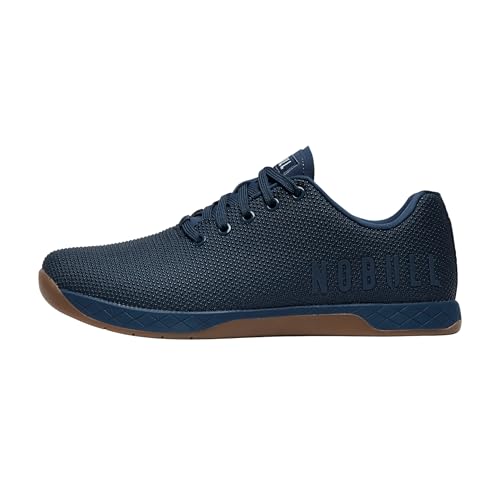
Nobull Outwork Navy Gum Weightlifting Shoe
If you’re seeking the Best Weightlifting Shoes for solid stability and grip, the NOBULL Outwork is designed for men focused on strength training and powerlifting.
Everyday Weightlifting Essentials
- Flat, firm sole creates a stable base for heavy lifts like squats and deadlifts.
- Wide toe box lets your feet settle naturally for better balance.
- Carbon rubber sole grips gym floors and wooden platforms securely.
- Light cushioning with minimal heel-toe drop maintains ground feel.
- Durable one-piece upper keeps the foot locked in place during movement.
Considerations to Keep in Mind
- The low-profile design offers less plush cushioning, which may feel stiff if you prefer soft shoes.
- Weight is moderate but may feel slightly heavier compared to minimalist trainers.
- Limited color options might not satisfy those seeking a wide variety of styles.
What to Expect From the NOBULL Outwork
The NOBULL Outwork is a solid choice for anyone serious about weightlifting. It focuses on delivering a locked-down feel, ensuring you can push through heavy lifts without wobbling. The flat sole and wide toe box provide a foundation that feels secure and natural underfoot.
In practice, I found the shoe supportive without being restrictive. The carbon rubber sole grips well, giving confidence on various gym surfaces. Though the cushioning is minimal, it offers enough comfort to get through long sessions without foot fatigue.
Finding the Right Fit for Your Training
This shoe works best for lifters who prioritize stability and grip over cushioning. If you spend a lot of time doing squats, deadlifts, or presses, the Outwork offers a dependable base. It’s not ideal if you want a soft, cushioned shoe or if you prefer flashy styles.
Those who dislike a firm feel or need extra arch support may want to look elsewhere. But for straightforward strength training, this shoe performs well and stays durable over time.
Final Thoughts on the NOBULL Weightlifting Shoe
If your training revolves around free weights and you need a shoe that stays put and grips well, this model deserves a look. It’s built for stability and durability, which are key for serious lifting sessions.
Skip it if you want a versatile shoe for running or high-impact cardio, as it’s designed specifically for weightlifting. When trying it out, focus on sizing correctly to ensure the snug fit the SuperFabric upper intends to provide.
Overall, it’s a practical choice that delivers consistent performance without unnecessary features.
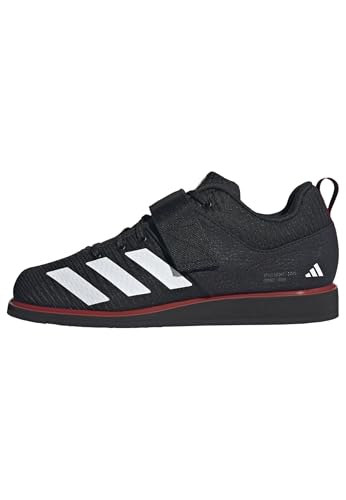
Adidas Powerlift 5 Weightlifting Shoes
The Adidas Powerlift 5 are solid Best Weightlifting Shoes designed for men who want reliable support during cross-training and lifting sessions.
How These Shoes Work in Training
The Adidas Powerlift 5 is a men’s cross-training shoe built primarily for weightlifting. Its key feature is the 15 mm heel lift, which helps improve posture and stability during lifts. This makes it easier to maintain proper form and reduce the risk of injury when squatting or performing other lifts.
On the feet, the shoes feel secure thanks to adjustable laces combined with a wide hook-and-loop strap that locks down the foot. The lightweight yet durable upper material allows breathability without sacrificing support. Using them in the gym brings a confident, stable base that helps you focus on your lifts without distraction.
Everyday Use Pros and Considerations
- Comfortable snug fit with adjustable lockdown
- Good traction thanks to a rubber outsole
- Breathable textile and synthetic upper
- 15 mm heel lift aids proper lifting posture
- Durable enough for regular gym wear
- Limited color options may not suit all tastes
- Weight of 2.1 pounds might feel slightly heavy for some
- Not designed for running or high-impact activities
Thoughts on the Adidas Powerlift 5
These shoes are thoughtfully designed to support the specific needs of weightlifters who value stability and foot security. The heel lift is a practical feature that can improve lifting mechanics, particularly for those who struggle with ankle mobility.
One trade-off is that the shoe’s weight and structure prioritize stability over speed or agility. So, if you want a shoe for mixed training that includes running or jumping, these might feel restrictive. But for focused lifting sessions, they provide a solid foundation.
Choosing the Right Weightlifting Shoe for Your Routine
If you mainly do weightlifting or strength training and want a shoe that enhances your posture and grip, the Adidas Powerlift 5 is worth considering. It fits well for those who need a secure lockdown and a moderate heel raise to support deep squats.
However, if your workouts include a lot of dynamic moves or cardio, you might find these shoes too stiff or heavy. A practical tip is to try them on with your usual gym socks to ensure the fit is just right before committing.
Overall, this model offers calm reassurance through its build quality and focused design, helping you feel stable and supported during your lifts.
Nordic Lifting Megin Deadlift Shoes
These Best Weightlifting Shoes are designed for men and women who want stable support during Olympic lifts, squats, and powerlifting sessions.

Daily Use Insights for Weightlifting Shoes
- The elevated 1.4″ heel helps improve squat depth and posture without extra strain.
- Non-slip soles provide reliable traction on various gym floors, enhancing stability.
- Reinforced ankle collars offer firm support, reducing the chance of foot rolling.
- The solid base feels secure under heavy loads, ideal for powerlifting and Olympic lifts.
- Designed for both men and women, sizing accommodates a wide range of lifters.
Considerations Before Choosing
- The shoe’s height and firmness may feel unusual if you prefer more flexible footwear.
- Limited cushioning means less comfort for casual wear outside of lifting sessions.
- Color options are limited to black, which might not suit everyone’s style preferences.
A Thoughtful Choice for Serious Lifters
The Nordic Lifting MEGIN Deadlift Shoes are well-suited for those focused on improving their lifting technique with added stability and posture support. The elevated heel is a noticeable benefit for deeper squats and less joint strain.
However, if you want shoes for general gym use or prefer softer soles, these might not be the best fit. Still, their firm build and ankle support provide confidence when handling heavy weights.
Try them during your next lifting session to feel how the secure base changes your stance. They offer practical features without extra fluff, making them a reliable tool rather than a flashy accessory.
Adidas Dropset Vario Weightlifting Shoes
The Adidas Dropset Vario is a solid choice for men seeking the Best Weightlifting Shoes that offer stability and comfort during cross-training and lifting sessions.

Practical Use Insights for Weightlifters
- Provides reliable stability with multidirectional grip for safe lifts.
- Wide fit accommodates broader feet without discomfort.
- Lace closure keeps the shoe secure during intense movements.
- Textile upper and lining enhance breathability and comfort.
- Lightweight feel helps maintain agility during cross-training.
Thoughts on Fit and Performance
The Adidas Dropset Vario shoes offer a stable base, which is crucial when performing heavy lifts. The wide fit makes them accessible for those who often struggle with narrow shoes. During use, I noticed they provide enough grip to feel confident on different surfaces without being overly stiff.
While they are designed primarily for cross-training, the shoe’s stability and grip make them adaptable for weightlifting routines that require secure footing. The lace closure is straightforward and effective, ensuring the fit stays consistent throughout workouts.
Finding the Right Lifting Shoe Balance
These shoes suit lifters who need a stable platform without sacrificing comfort or breathability. They work well for those who do a mix of lifting and other training activities, thanks to their versatile design.
If you have very narrow feet or prioritize specialized weightlifting shoes with hard soles and elevated heels, these might feel less tailored. However, for general weightlifting and cross-training, they strike a good balance.
Consider pairing them with socks that enhance fit if you find the wide design slightly roomy. Otherwise, they offer dependable support without unnecessary bulk.
Mifawa Barefoot Weightlifting Shoes
For lifters seeking the best weightlifting shoes with a natural feel, these MIFAWA barefoot shoes offer a minimalistic option designed for gym and cross-training use.

Daily Use Insights for Weightlifters
- Zero drop sole keeps feet flat and stable, improving posture during lifts.
- Wide toe box allows toes to spread naturally, enhancing balance and comfort.
- Removable cushioned insoles offer customization between barefoot feel and arch support.
- Rubber outsole provides grip and flexibility without restricting foot movement.
- Suitable for various activities beyond lifting, such as running and hiking.
- Lightweight design reduces fatigue during extended gym sessions.
Considerations Before Choosing
- Minimal cushioning may feel too thin for those used to traditional padded shoes.
- Wide toe box design might feel loose for users with narrow feet.
- Not ideal if you prefer elevated heels common in classic weightlifting shoes.
A Thoughtful Choice for Natural Lifters
The MIFAWA Barefoot Weightlifting Shoes suit individuals who prioritize a grounded, natural stance during lifts. They promote proper alignment through a zero drop sole and allow the toes to move freely, which can help with balance and foot strength over time. However, if you rely on heel elevation or substantial cushioning for your technique, these shoes might feel too minimalist.
The removable insole feature adds versatility, letting you adjust the feel as needed. This makes them adaptable if you want to experiment with barefoot training gradually. Keep in mind that the wide toe box is a key comfort factor but may not fit everyone perfectly.
Finding Your Natural Footing
These shoes are well-suited for lifters who want to connect more directly with the ground and improve posture during squats and deadlifts. If you train with a focus on natural foot mechanics or cross-train often, they offer a flexible option. On the other hand, those who prefer traditional weightlifting shoes with elevated heels should look elsewhere.
Try removing the insole to enhance the barefoot sensation once you feel comfortable. The rubber sole ensures steady grip without sacrificing mobility, giving a confident foundation for your workouts. Overall, this is a sensible pick for anyone exploring minimalist footwear in weightlifting.
Narrowing Down Your Best Weightlifting Shoes Choices
Choosing the right weightlifting shoes can be simpler if you focus on what matters most to your training style. First, consider the type of lifts you do regularly—squats, deadlifts, or Olympic lifts all have different demands. Next, think about the heel height; a raised heel helps with squats, while flat soles suit deadlifts better. Fit and comfort matter, but many overlook ankle support and sole grip, which are vital for stability. Materials impact breathability and durability, so pick shoes that match your workout environment. Remember, most people miss checking how the shoe’s sole interacts with the floor surface you train on.
The 30-second Checklist For Weightlifting Shoes
- Do the shoes feel stable when you stand and squat?
- Can you easily secure a snug fit with laces or straps?
- Is the heel height comfortable for your specific lifts?
- Do the soles provide good traction on your gym floor?
- Are the shoes breathable enough for your workout duration?
- Can you move naturally without slipping or excessive restriction?
Regret Prevention When Choosing Weightlifting Shoes
Regret #1: Buying shoes without trying them on can lead to poor fit and discomfort. Fix this by testing shoes with the socks you normally wear during workouts and mimicking your lifting stance.
Regret #2: Overlooking the heel height often causes imbalance during lifts. Choose a shoe with a heel height that complements your lifting technique to maintain proper form.
Regret #3: Neglecting sole grip can result in slipping and unsafe lifts. Opt for shoes with a durable, non-slip outsole designed for your training surface to stay grounded.
Quick Pick Table For The Best Weightlifting Shoes
| If you want… | Look for this | Avoid this |
|---|---|---|
| More stability for squats | Raised heel around 1-2 cm with firm support | Flat soles without ankle support |
| A barefoot or natural feel | Zero-drop shoes with wide toe box | High heel lifts or narrow toe designs |
| Maximum grip on gym floors | Rubber outsole with textured pattern | Smooth or worn-out soles |
| Easy on/off during workouts | Velcro straps or combined laces and straps | Complicated lacing systems or overly tight designs |
| Breathable shoes for long sessions | Mesh or fabric uppers with ventilation | Fully synthetic or non-breathable materials |
Practical Tips For Using Your Weightlifting Shoes
- Try shoes on at the end of the day when your feet are slightly swollen to ensure a comfortable fit.
- Pair your shoes with socks that you normally use for training to check fit and comfort accurately.
- Break in new shoes with light sessions before heavy lifting to avoid discomfort.
- Keep the soles clean and dry to maintain optimal grip and safety.
- Store shoes in a ventilated area to prevent moisture buildup and material breakdown.
Faqs About Best Weightlifting Shoes
Can I use weightlifting shoes for other gym activities?
Weightlifting shoes are designed primarily for lifts needing stability and support. While you can wear them for other activities, they may feel stiff or less comfortable during cardio or dynamic movements.
How should weightlifting shoes fit compared to regular sneakers?
They should fit snugly with little extra space, offering firm support around the midfoot and heel. Unlike regular sneakers, a secure and locked-in feel is essential to prevent foot movement inside the shoe.
Are weightlifting shoes suitable for deadlifts?
Some weightlifting shoes with flat soles are great for deadlifts, offering a stable base. Elevated heels may not be ideal because they can alter your natural stance and leverage.
How do I maintain the grip on the soles?
Regularly clean the soles to remove dust and debris. Avoid wearing them outside on rough surfaces, which can wear down the traction pattern faster.
Do weightlifting shoes make noise during lifts?
Most have rubber soles that are quiet on gym floors. However, some materials or design features might produce slight noise, but it usually doesn’t interfere with training.
What if the shoes feel uncomfortable after a few workouts?
It may take a few sessions to fully break them in. If discomfort persists, consider adjusting the lacing or trying a different size or model that better suits your foot shape.
Can I return weightlifting shoes if they don’t fit well?
Return policies vary by retailer, but many allow returns if the shoes are unused and in original condition. Check the seller’s policy before purchasing.
Final Thoughts On Choosing The Best Weightlifting Shoes
Finding the right weightlifting shoes is about matching the shoe features with your lifting needs and comfort preferences. Focus on stability, fit, and sole grip to support your training safely. Keep in mind the tie-break rule: prioritize how the shoe feels during your specific lifts over brand or looks.
Taking the time to choose carefully will help you lift with confidence and avoid common pitfalls. Your feet and performance will thank you for it.

