
Are Smartwatches Worth Buying?
The world is changing fast, and technology is always finding new ways to fit into our lives. One gadget that has become very popular is the smartwatch. You see them on wrists everywhere—at the gym, in offices, on the streets. But many people still ask, “Are smartwatches really worth buying?” With so many features and brands, it’s not an easy question. Some people love them, while others say they are not necessary.
This article will help you decide if a smartwatch is right for you. We’ll look at the main benefits, real-life uses, common problems, and also compare smartwatches to other devices. By the end, you’ll have a clear answer about whether buying a smartwatch makes sense for your life and budget.
What Is A Smartwatch?
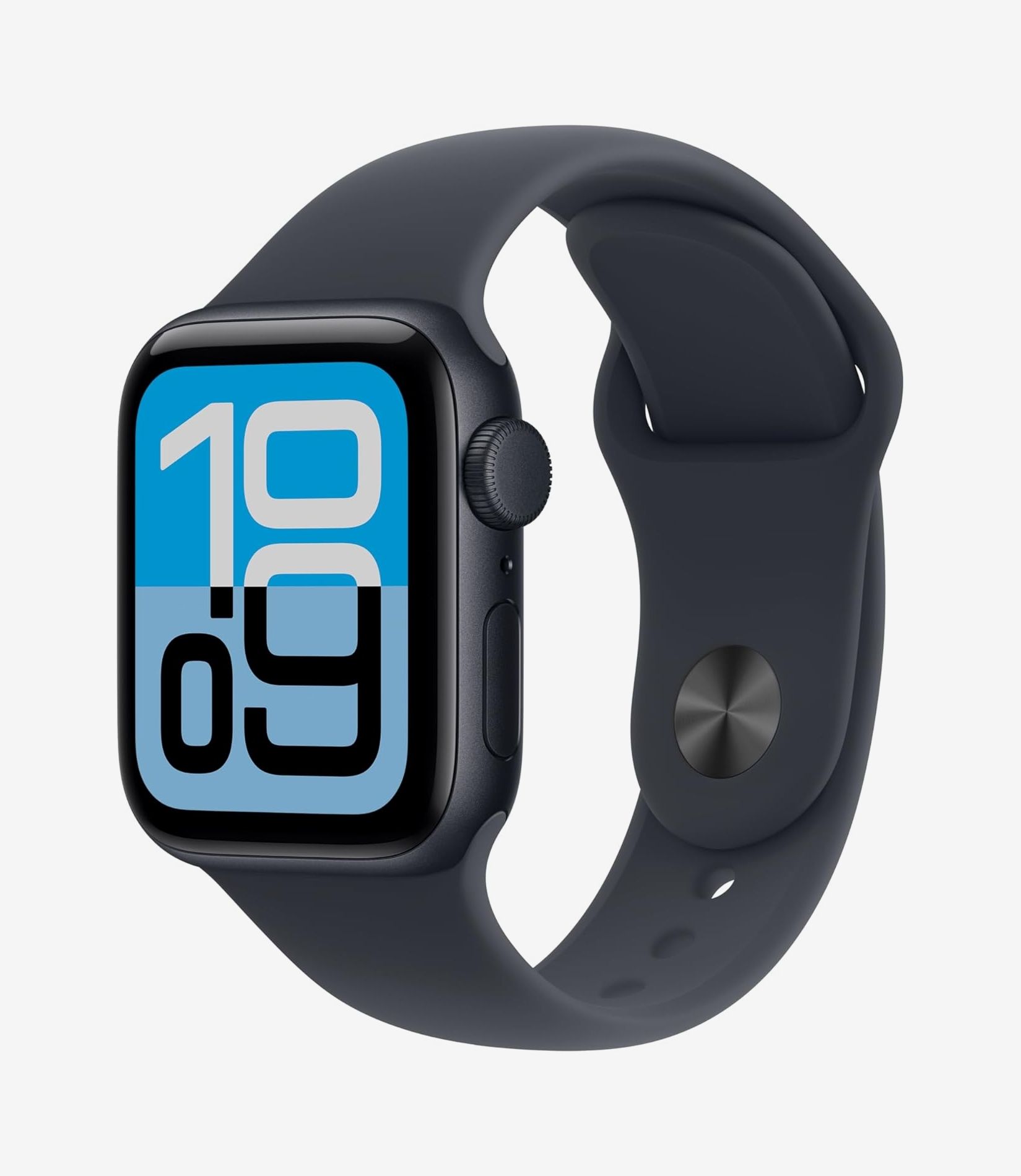
A smartwatch is a wearable device that looks like a regular watch but can do much more. It connects to your smartphone and gives you quick access to notifications, messages, health tracking, and even calls. Most smartwatches run on their own operating systems, like Apple watchOS or Google Wear OS.
They can show the time, but they also let you control music, check the weather, and sometimes pay for things without your phone. Smartwatches are now small computers for your wrist, designed to make life easier and more connected.
Key Benefits Of Smartwatches
Smartwatches are popular for a reason. Here are some main advantages people find useful:
1. Easy Access To Notifications
With a smartwatch, you can see calls, texts, emails, and app alerts without taking out your phone. This is very helpful during meetings, while driving, or when your hands are busy.
For example, if you are cooking and your phone buzzes, you can quickly check your wrist to see if it’s important. You won’t miss calls from family or work, and you can ignore unimportant messages.
2. Health And Fitness Tracking
Almost all smartwatches have activity trackers. They count your steps, measure your heart rate, and even monitor your sleep. Some advanced models track blood oxygen and ECG (heart rhythm).
If you are trying to live healthier, this can be very motivating. Many people find that seeing their daily steps or heart rate makes them move more. A 2021 study found that people who use fitness trackers walk about 1,800 extra steps per day on average.
3. Quick And Simple Payments
Many smartwatches have NFC chips, which let you pay at stores by tapping your watch. You don’t need to take out your wallet or phone. This is fast, safe, and especially useful if you have your hands full.
4. Navigation And Travel Help
Smartwatches can give you directions on your wrist. If you’re walking or cycling, you can follow the map without looking at your phone. Some watches even buzz to tell you when to turn left or right. This is great for people who travel often or like exploring new places.
5. Customization And Style
You can change the watch faces and straps easily. This means your smartwatch can match your outfit, mood, or activity. Some watches even let you use your own photos as the background. This makes them more personal than regular watches.
6. Safety And Emergency Features
Some smartwatches have fall detection or SOS alerts. If you fall and don’t move, the watch can call emergency contacts automatically. This is very helpful for older adults or people with health risks.
7. Controlling Smart Devices
If you have smart lights, speakers, or other devices at home, you can control them from your wrist. For example, you can turn off lights or change the music without getting up. This is not just convenient—it saves time every day.
Common Problems And Limitations
Smartwatches are not perfect for everyone. Here are some common issues you should know about before buying:
1. Battery Life Concerns
Most smartwatches need to be charged every 1-2 days. Some simple fitness bands last longer, but the full-featured ones often run out fast. This can be annoying, especially if you forget to charge it overnight.
2. Small Screen Size
The screen is small. Reading long messages or emails is hard. Typing replies can be frustrating. For big tasks, you’ll still need to use your phone.
3. Price
Good smartwatches are not cheap. The Apple Watch Series 9 starts at around $399, and high-end models can be much more. There are cheaper options, but they often have fewer features or lower quality.
4. Compatibility
Not all smartwatches work with all phones. For example, the Apple Watch only works with iPhones. Some watches have limited features if you use them with a different phone brand. You must check compatibility before buying.
5. Privacy And Data Concerns
Smartwatches collect a lot of personal data—your location, heart rate, and even sleep patterns. This data is usually stored online. Some people worry about privacy and how companies use their information.
6. Distraction
For some, having notifications always on their wrist can be distracting. Instead of focusing, they end up checking messages all the time. It’s important to manage notifications, or the smartwatch can make you less productive.
Comparing Smartwatches To Other Devices
You might be wondering how a smartwatch is different from your phone or a simple fitness tracker. Here’s a side-by-side look at the main differences:
| Feature | Smartwatch | Smartphone | Fitness Tracker |
|---|---|---|---|
| Calls & Texts | Yes (Limited) | Yes (Full) | No |
| Health Tracking | Advanced | Basic | Basic/Advanced |
| Battery Life | 1–2 Days | 1 Day+ | 5–14 Days |
| Screen Size | Small | Large | Very Small |
| Music & Apps | Yes | Yes | Rarely |
| Price Range | $$–$$$ | $$–$$$ | $–$$ |
This table shows that smartwatches are somewhere between a smartphone and a fitness tracker. They do more than trackers but less than phones.
Who Should Consider Buying A Smartwatch?
A smartwatch is not for everyone. But for some people, it can be a great investment. You should consider buying a smartwatch if:
- You want to track your health: If you care about your daily steps, heart rate, or sleep, a smartwatch is very useful.
- You get lots of messages: If you want to quickly see notifications without using your phone, a smartwatch saves time.
- You travel or exercise often: Navigation, music control, and emergency features are perfect for active people.
- You like new technology: If you enjoy trying the latest gadgets, you’ll probably like a smartwatch.
- You need hands-free options: For people who need to keep their hands free (parents, cooks, drivers), a smartwatch is very convenient.
Not Always The Best Choice
However, you might not need a smartwatch if:
- You rarely check your phone
- You don’t like wearing things on your wrist
- You are on a tight budget
- You are happy with a simple fitness tracker
Real-world Examples: How People Use Smartwatches
Understanding how people actually use smartwatches can help you decide. Here are some examples:
Health And Fitness
Sarah is 35 and wants to stay active. She uses her Fitbit Versa to track her steps, heart rate, and sleep. The watch reminds her to stand up every hour and sends weekly reports. Since getting her watch, Sarah has lost 5 kg and feels more energetic.
Busy Professionals
John works in sales and has many meetings. He wears an Apple Watch, which gently taps his wrist when he gets important emails or calendar alerts. During meetings, he can see who is calling without looking rude. This helps him stay organized and never miss key updates.
Parents And Caregivers
Maria has a young child. She uses her Samsung Galaxy Watch to check messages while pushing a stroller. If her child needs something, she can reply quickly without searching for her phone.
Seniors
David is 70 and lives alone. His family worries about his health. His Apple Watch has fall detection. One day, he slipped in the bathroom, and the watch called his daughter automatically. This quick alert helped him get care fast.
Popular Smartwatch Brands And Models
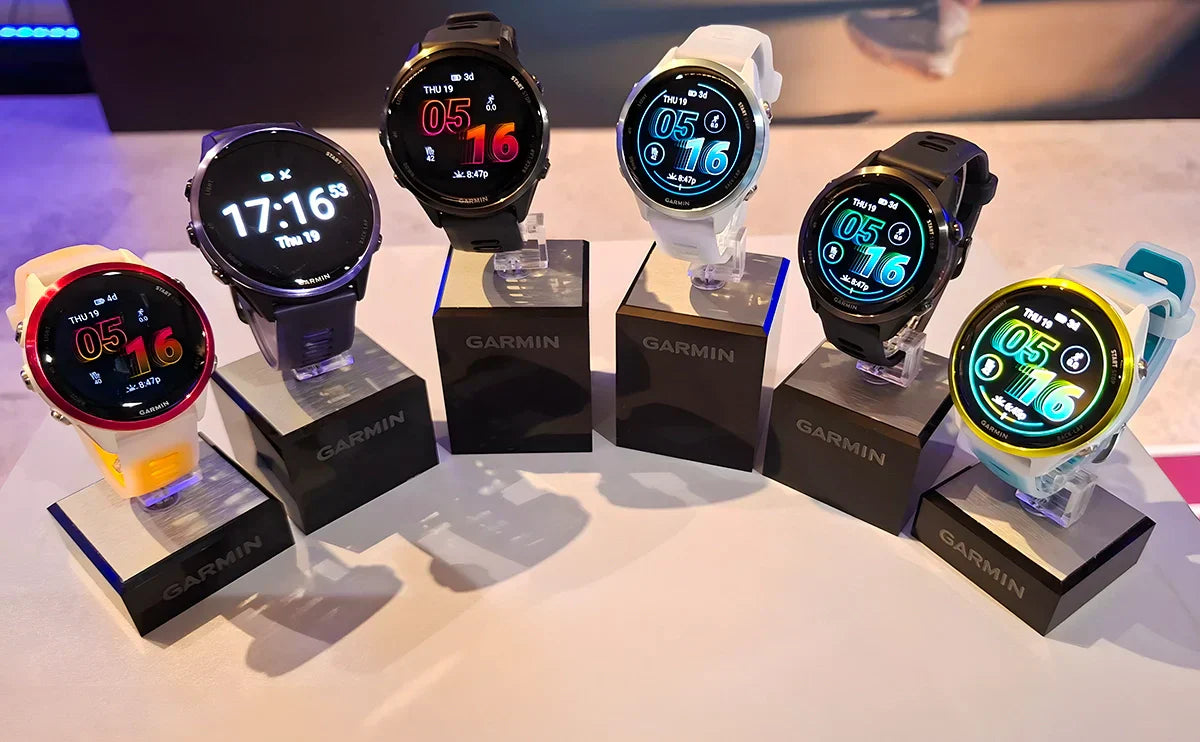
There are many brands, but a few stand out for quality and features. Here’s a comparison of some of the best-known models:
| Brand & Model | Key Features | Battery Life | Price Range | Best For |
|---|---|---|---|---|
| Apple Watch Series 9 | ECG, GPS, fall detection, apps | 18–24 hours | $$$ | iPhone users |
| Samsung Galaxy Watch 6 | ECG, sleep tracking, Android apps | 1–2 days | $$–$$$ | Android users |
| Fitbit Versa 4 | Steps, heart rate, lightweight | 6+ days | $$ | Fitness-focused |
| Garmin Forerunner 265 | GPS, advanced sports, music | 7–13 days | $$$ | Runners, athletes |
| Google Pixel Watch | Fitbit integration, Google apps | 1 day | $$$ | Android users |
When choosing, always check compatibility with your phone and which features matter most to you.
Are Smartwatches Worth The Money?
Let’s look at the value for money. The answer depends on your needs, lifestyle, and what you expect from a smartwatch.
When They Are Worth It
- Health tracking: If you want to improve your health, a smartwatch with good sensors is a smart investment.
- Saving time: People who get many notifications or work in busy places can save time by using a smartwatch.
- Safety features: For seniors, or people with health issues, features like fall detection can be life-saving.
- Convenience: If you want to leave your phone in your bag or pocket, a smartwatch keeps you connected and in control.
When They May Not Be Worth It
- If you already have a fitness tracker: For basic step counting or sleep tracking, a cheaper fitness band may be enough.
- If you don’t like charging devices often: The battery can be a problem for some.
- If you just want to tell the time: A regular watch does this job better and never needs charging.
Surprising Insights
Some new buyers are surprised by these facts:
- Smartwatches can help with stress: Many have breathing or meditation apps, and studies show these can reduce stress if used daily.
- You can use them without your phone nearby: Models with 4G/LTE can make calls and stream music, even if you leave your phone at home.
- Not all apps are useful: Many people only use 3-5 apps daily, like weather, fitness, and notifications. The hundreds of extra apps are often ignored.
How To Choose The Right Smartwatch
If you decide to buy, picking the right model is important. Here’s what matters most:
- Phone compatibility: Make sure the watch works fully with your phone.
- Battery life: Check if you’re OK charging every day, or want a model that lasts longer.
- Features: Decide which features you really need—health, payments, GPS, music, etc.
- Design and comfort: Try it on if possible. Some watches are big and heavy.
- Budget: Avoid very cheap models—they often break or are not accurate.
- Brand support: Choose brands that offer good updates and customer service.
Buying the right smartwatch is not just about the latest model. It’s about what fits your life.
The Future Of Smartwatches
Smartwatches are getting better every year. Here’s what the future looks like:
- More health sensors: Blood pressure, blood sugar, and even hydration tracking are coming soon.
- Longer battery life: New battery technology may let watches last a week or more.
- Better integration: Smartwatches will work with more devices—cars, smart homes, and more.
- More independence from phones: Future watches will do more without needing your phone nearby.
These changes mean smartwatches will become even more useful over time. But they will also get more expensive as new features are added.
Are Smartwatches Just A Trend?
Some people think smartwatches are just a fad, like 3D TVs. But the data tells a different story. In 2022, over 120 million smartwatches were sold worldwide. The market is expected to grow as more people use them for health and safety.
Also, many large companies (like Apple, Samsung, and Google) are investing heavily in wearable technology. This suggests smartwatches are here to stay, not just a passing trend.
For people who want to keep up with technology, a smartwatch is quickly becoming a normal part of daily life—almost like having a smartphone in the early 2010s.
The Bottom Line
So, are smartwatches worth buying? For many people, the answer is yes—if you want better health tracking, quick notifications, and extra safety features. But they are not for everyone. Think about your own needs, lifestyle, and budget. Try one out if you can before buying.
Remember, a smartwatch is a tool. It should make your life easier, not more complicated. If you choose the right model and use it wisely, it can be a smart investment for your future.
For more details on how smartwatches are changing health and wellness, visit Wikipedia.
-SOURCE-Julian-Chokkattu.jpg)
Frequently Asked Questions
What Is The Main Use Of A Smartwatch?
The main use is to give you easy access to notifications, health tracking, and quick controls (like music, payments, or navigation) without using your phone.
Do Smartwatches Work Without A Phone?
Some do. Models with 4G/LTE can make calls and use apps without a phone nearby. Most smartwatches, though, need a phone for full features.
Are Smartwatches Good For Seniors?
Yes, especially models with fall detection and emergency SOS. These features can help seniors stay safe and give families peace of mind.
Can Smartwatches Improve Your Health?
They can help by tracking steps, heart rate, sleep, and reminding you to stay active. While they don’t guarantee better health, they can motivate you to make healthy choices.
Which Is Better: A Smartwatch Or A Fitness Tracker?
It depends. Smartwatches offer more features (calls, apps, payments) but cost more and need charging often. Fitness trackers are simpler, cheaper, and have longer battery life, but have fewer features.
If you have more questions, check the support page of your favorite smartwatch brand or ask other users online before making your decision.

