Smartwatches have become a common part of daily life for millions of people worldwide. They help us track fitness, answer messages, and even pay for coffee with a flick of the wrist. But there’s a question that many potential buyers ask before making the investment: Are smartwatches durable? If you plan to wear a smartwatch every day, during work, sports, or even swimming, you want to know if it can handle all of life’s demands. Let’s explore what makes a smartwatch durable, what to expect from different brands, how usage affects longevity, and how you can extend the life of your device.
What Does Durability Mean For Smartwatches?
When we talk about durability in smartwatches, we mean more than just resisting scratches. Durability covers several important aspects:
- Physical strength: Can the watch survive bumps, drops, or impacts?
- Water and dust resistance: Will it keep working if you get caught in rain or go swimming?
- Battery life over time: Does the battery lose capacity quickly?
- Wear and tear: Does the band or casing stay in good condition after months or years of use?
- Software support: Will it keep receiving updates that keep it running smoothly?
A truly durable smartwatch performs well in all these areas, not just one.
Materials And Build Quality
The main factor in smartwatch durability is the materials used in both the body and the screen.
Watch Body Materials
Most smartwatches use one or more of the following:
- Aluminum: Light and resistant to corrosion. Prone to scratches and dents.
- Stainless steel: Heavier but tougher. Handles impacts better and resists scratches.
- Titanium: Strong and very light. More expensive, but top in strength-to-weight ratio.
- Plastic or polymer: Found in budget or sports-focused models. Usually lighter but less premium in feel.
Display Protection
The watch’s screen is the most exposed part. Common materials include:
- Gorilla Glass: Toughened glass, used in many smartphones. Resists scratches well.
- Sapphire crystal: Extremely hard and scratch-resistant. Found in premium models, but can shatter if hit hard.
- Plastic: Used on cheaper models. Scratches easily but doesn’t shatter.
Bands And Straps
Even the band matters. Silicone or rubber bands are great for sweat and water, while leather looks stylish but ages faster. Metal bands are strong but can scratch or dent.
Here’s a quick comparison of common case and screen materials:
| Material | Pros | Cons |
|---|---|---|
| Aluminum | Light, corrosion-resistant | Scratches, can dent |
| Stainless Steel | Strong, scratch-resistant | Heavier, can be expensive |
| Titanium | Very strong, lightweight | High cost |
| Gorilla Glass | Scratch-resistant, common | Can crack/shatter |
| Sapphire Crystal | Extremely hard, scratch-proof | Can shatter, costly |
Water And Dust Resistance Ratings
You’ll often see smartwatches advertised as waterproof or water-resistant. But what does that really mean?
Understanding Ip Ratings
Many smartwatches use IP ratings (Ingress Protection). An IP rating has two numbers:
- First digit: Protection against dust (0-6)
- Second digit: Protection against water (0-9)
For example, IP68 means total dust protection and protection against long periods of water immersion.
Atm Ratings
Some watches use ATM ratings (atmospheres):
- 3 ATM: Splash-proof, but not for swimming
- 5 ATM: Can handle swimming
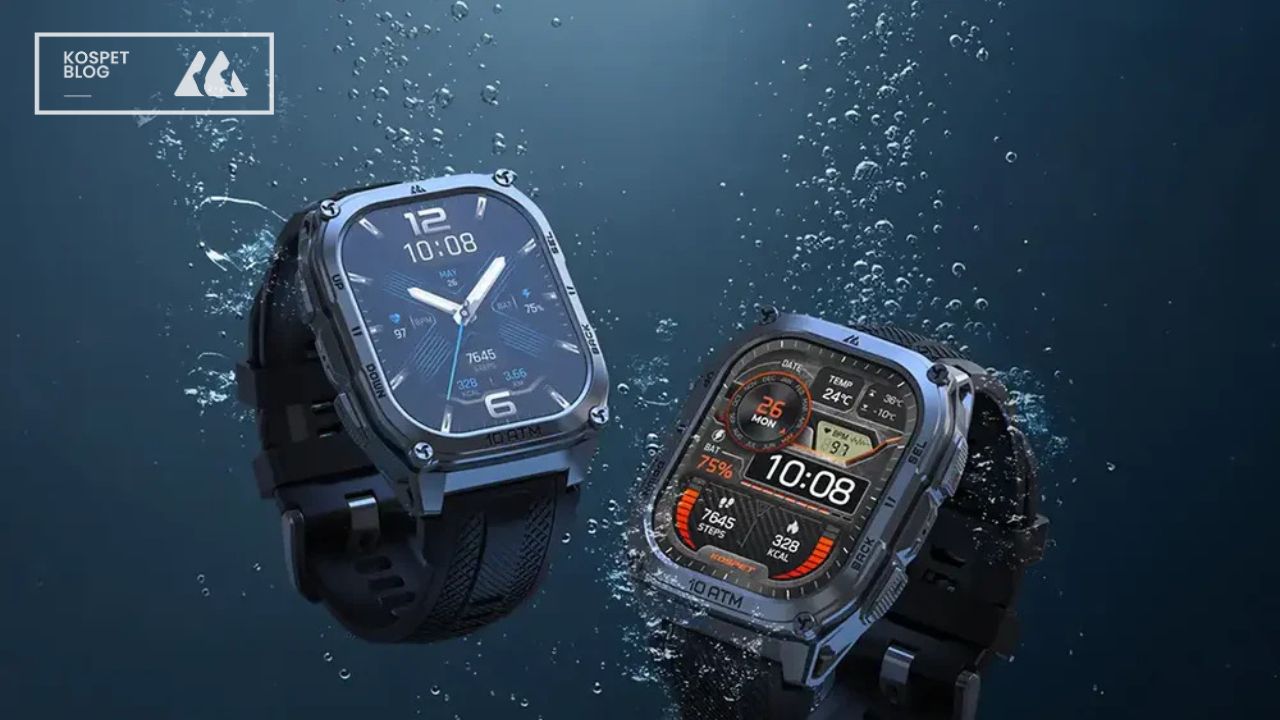
- 10 ATM or higher: Good for snorkeling or water sports
Here’s a comparison:
| Rating | Dust Resistance | Water Resistance | Common Use |
|---|---|---|---|
| IP67 | Yes | Up to 1m for 30 min | Rain, accidental drops |
| IP68 | Yes | More than 1m, 30+ min | Swimming |
| 5 ATM | N/A | Up to 50 meters | Shower, swim |
| 10 ATM | N/A | Up to 100 meters | Snorkeling |
Real-world Water Resistance
Manufacturers test these ratings in labs. But in daily life, things can be different. Soap, salt water, or high-pressure jets can still damage seals. Always check your watch’s manual before taking it into water, and avoid pressing buttons underwater unless the manual says it’s safe.
Brand Differences: Which Smartwatches Are Most Durable?
Some brands put more focus on durability than others. Let’s look at a few major players and their approaches.
Apple Watch
The latest Apple Watches use sapphire crystal screens on stainless steel and titanium models, and Ion-X glass on aluminum versions. Water resistance is up to 50 meters (5 ATM). Apple’s build quality is high, but the aluminum versions can scratch. Apple continues to improve durability with each release.
Samsung Galaxy Watch
Samsung uses Gorilla Glass DX+ and stainless steel or aluminum. Their watches also offer 5 ATM water resistance and military-grade (MIL-STD-810G) certification for shock, vibration, and temperature. This makes them popular for outdoor and fitness users.
Garmin
Garmin is known for toughness. Many models are built to military standards, with reinforced polymer cases and chemically strengthened glass or sapphire. Some are rated up to 10 ATM, perfect for diving and extreme sports.
Fitbit
Fitbit focuses on comfort and lightweight design, using plastics and aluminum. Their watches typically have 5 ATM water resistance but are less resistant to scratches and impact than Garmin or Apple.
Suunto
Suunto targets athletes and adventurers. Their smartwatches use stainless steel, sapphire crystal, and offer high water resistance (up to 100 meters). They are tested for extreme cold and heat.
Amazfit And Other Budget Brands
Lower-cost brands often use plastic cases and Gorilla Glass. Water resistance is usually 3-5 ATM. While they perform well for the price, they may not survive as long under heavy use.
Daily Wear And Tear: What To Expect
Even the toughest smartwatch will show signs of use over time. Here’s what typically happens:
- Micro-scratches on the screen and case, especially with regular outdoor use
- Fading or staining on silicone or leather bands
- Buttons can become sticky or less responsive if exposed to dirt, sweat, or saltwater
- Battery may hold less charge after 1-2 years of daily charging
The way you use your smartwatch has a big impact on its lifespan. Wearing it in rough sports, construction work, or harsh weather will speed up wear compared to office or casual use.
Two Insights Beginners Often Miss
- Charging habits affect battery life. Many people think charging overnight is fine, but keeping the battery at 100% for long periods can shorten its lifespan. Shorter, more frequent charges are healthier for most smartwatch batteries.
- Cleaning matters. Sweat, sunscreen, and dust can build up in microphone holes, buttons, or charging ports. Regular gentle cleaning extends the life of your device more than most users realize.
Extreme Use: Can Smartwatches Survive Tough Conditions?
Some smartwatches are designed for military or adventure use. These models have extra features:
- Shock resistance: Can survive drops from several feet
- Extreme temperature tolerance: Function in freezing cold or desert heat
- Pressure resistance: Useful for divers or mountain climbers
For example, the Garmin Fenix series and Apple Watch Ultra are built to handle these tough environments. But even these watches have limits. Very strong impacts, deep submersion, or exposure to chemicals can still cause damage.

Software Durability: Updates And Security
Physical durability is only half the story. A smartwatch also needs software support to stay useful and secure.
Most brands provide regular updates for about 2-3 years after release. This includes:
- Bug fixes
- Security patches
- Feature updates
After this, older models may not get new features or fixes. This is something many buyers overlook. If you want your smartwatch to last longer, choose a model known for good software support.
Battery Life And Degradation
Smartwatch batteries are small lithium-ion cells. Over time, all lithium batteries lose capacity. Factors that affect battery life include:
- Charging cycles: Each full charge wears the battery slightly
- Heat: Charging in hot environments shortens battery life
- App usage: More features and always-on displays drain power faster
Most smartwatches offer 1-7 days of battery life when new. After 2 years, you might see a drop of 20-30%. Some brands allow battery replacement, but for many, this requires a professional repair.
Here’s a rough guide to battery life by brand (new device):
| Brand/Model | Typical Battery Life (Days) | Battery Replacement Possible? |
|---|---|---|
| Apple Watch Series | 1-2 | Yes (service center) |
| Samsung Galaxy Watch | 2-4 | Yes (service center) |
| Garmin Fenix | 7-21 | Yes (some models) |
| Fitbit Versa | 4-6 | No (not designed for replacement) |
| Amazfit GTS | 7-14 | No |
How To Make Your Smartwatch Last Longer
There are several ways to extend the life of your smartwatch:
- Use a screen protector. This simple step prevents scratches and cracks.
- Remove your watch for heavy manual work. Don’t wear it when using power tools or doing tasks with high impact.
- Rinse after exposure to salt water or sweat. This helps prevent corrosion of the case and sensors.
- Charge in a cool, dry place. Heat is the enemy of battery life.
- Update software regularly. This ensures better performance and fewer bugs.
- Clean the watch and band weekly. Use a soft cloth and gentle soap.
- Replace bands as needed. New bands are cheap and can make the watch feel new again.
Common Durability Myths
Many people believe smartwatches are either “indestructible” or “fragile toys. ” The truth is in between.
- Myth 1: All smartwatches are waterproof. In reality, most are water-resistant, not waterproof. Long exposure to water, especially hot water, still causes damage.
- Myth 2: Sapphire screens cannot break. They are very hard to scratch but can shatter under strong impact.
- Myth 3: Metal bands are always more durable. Metal can scratch or bend, while silicone handles sweat and water better.
- Myth 4: Battery life stays the same for years. All batteries degrade, no matter how careful you are.
Real-world Examples: How Long Do Smartwatches Last?
Actual lifespan depends on use and model, but here are some averages:
- Casual users: 3-5 years before major issues (battery or software)
- Heavy outdoor users: 2-3 years before serious cosmetic or functional damage
- Fitness enthusiasts: 2-4 years, especially if exposed to sweat and water daily
Some people keep their smartwatches for over 6 years, especially if they don’t need the latest features. Others replace them every 2 years to get newer tech or because the battery no longer lasts a full day.
When Is It Time To Replace Your Smartwatch?
Even the most durable smartwatch will reach the end of its life. Signs it’s time to replace include:
- Battery won’t hold a charge for even half a day
- Screen is badly cracked or unresponsive
- No more software updates or security patches
- Sensors (like heart rate) no longer work reliably
- Buttons or crown are stuck
If repairs cost nearly as much as a new model, replacement is often the better choice.
Environmental Factors Affecting Durability
Where and how you use your smartwatch also makes a difference:
- Humidity: Can lead to condensation inside the case, especially if seals are worn.
- Extreme cold: Reduces battery efficiency and can make the screen sluggish.
- Chemicals: Sunscreen, insect repellent, and cleaning fluids can damage bands and seals.
- Sand and dust: Can get into buttons and the charging port, causing problems.
If you use your watch in challenging environments, look for models with military or sports certifications.
Smartwatch Durability: Looking To The Future
Manufacturers are working to make smartwatches even tougher. New materials like ceramic and improved water seals are becoming more common. Some brands are exploring modular designs, so you can replace the battery or screen more easily. Software is also getting better at detecting problems early, which helps prevent major failures.
But technology moves fast. Even the most durable smartwatch will eventually be limited by its software or battery, not just its physical strength.
Frequently Asked Questions
What Is The Most Durable Smartwatch Available Today?
The Garmin Fenix series and the Apple Watch Ultra are often considered the most durable. They have reinforced cases, sapphire crystal screens, and high water resistance. Both are tested for extreme environments, including drops, cold, and underwater use.
Can I Shower Or Swim With My Smartwatch?
Most modern smartwatches with at least 5 ATM or IP68 ratings can handle swimming and showering. However, avoid hot water, saunas, or pressing buttons underwater, as these conditions can damage seals over time. Always check your manual for details.
How Long Do Smartwatch Batteries Last Before Needing Replacement?
On average, a smartwatch battery holds up well for about 2-3 years with daily charging. After that, the capacity may drop by 20-30%. Some models allow battery replacement at a service center, while others do not.
Is A Sapphire Crystal Screen Worth The Extra Cost?
Sapphire crystal screens are much more scratch-resistant than Gorilla Glass or plastic. If you often bump your watch against hard surfaces or want your display to look new for years, the extra cost can be justified. However, sapphire can still shatter if hit hard enough.
Where Can I Find More Details On Smartwatch Durability Standards?
For more in-depth information on durability standards and ratings like IP and ATM, visit the official Wikipedia IP Code page.
Smartwatches today are more durable than ever, thanks to better materials, design, and testing. Yet, real-world durability depends on how you use and care for your device. By understanding your needs and following a few simple care steps, you can enjoy your smartwatch for years to come—whether you’re swimming, hiking, or just checking the time at the office.