
Are Sleep Trackers Good For Kids?
Every parent wants their child to get enough sleep. Good sleep is essential for growth, learning, and happiness. In recent years, sleep trackers have become popular tools for adults. Now, many companies offer sleep trackers for children. But are these devices really good for kids? Do they help, or do they bring new problems? Let’s explore the facts, the benefits, the risks, and what parents should know before using a sleep tracker with their child.
What Are Sleep Trackers And How Do They Work?
Sleep trackers are devices or apps that measure how long and how well a person sleeps. They usually come as wearable bands, watches, or even under-the-mattress sensors. Some work with smartphones or tablets. Most use motion sensors to track movement during sleep. Others also monitor heart rate, breathing, or even sounds in the room.
For example, a popular sleep tracker might show:
- Total sleep time
- Time spent awake
- Light, deep, and REM sleep
- How often the child wakes up
Some devices use artificial intelligence to guess sleep stages. Others link with apps to offer sleep tips or gentle alarms.
Why Do Parents Want Sleep Trackers For Kids?
Many parents feel unsure if their child sleeps enough. Young children often wake up at night, and older kids may stay up late with screens. Sleep trackers promise simple answers: numbers, charts, and advice. Parents hope these devices can:
- Spot sleep problems early
- Measure progress when making changes
- Encourage kids to build better routines
But Do These Benefits Really Happen In Real Life?
Potential Benefits Of Sleep Trackers For Children
Sleep trackers can give helpful information—when used the right way. Here are some possible advantages:
1. Clear Data For Parents
Instead of guessing, parents can see exactly when their child falls asleep, wakes up, or spends time restless. This can help spot issues such as delayed sleep or frequent waking. For example, a tracker might show a child gets only 7 hours of sleep instead of the recommended 9–11 hours for school-age children.
2. Motivation For Healthy Habits
Some kids enjoy seeing their sleep “score” improve. For children who like technology or rewards, a sleep tracker can make bedtime more fun. For instance, a child might work to go to bed earlier to “beat” their previous score.
3. Tracking Changes Over Time
When parents try new bedtime routines, a sleep tracker can show if things are working. If a child stops using screens before bed and sleep improves, the tracker data can confirm this.
4. Starting Conversations About Sleep
Sometimes, data from a tracker helps families talk openly about sleep. Parents and kids can discuss why sleep matters and how to make bedtime smoother.
5. Sharing Useful Information With Doctors
If a child has ongoing sleep problems, a sleep log from a tracker can help a doctor make a better diagnosis. The doctor can see patterns over weeks, not just rely on memory.
The Science: Are Sleep Trackers Accurate For Kids?
Most sleep trackers are made for adults, not children. This is important. Kids move more during sleep, and their heart rates are different. Many trackers use algorithms based on adult data, which can reduce accuracy for children.
Research shows that sleep trackers are fairly accurate for total sleep time, but less reliable for sleep stages (like REM or deep sleep). Studies found that popular wrist-worn trackers can be off by 30–60 minutes compared to professional sleep studies (polysomnography).
Here’s a simple comparison:
| Measurement | Sleep Tracker | Sleep Lab (Polysomnography) |
|---|---|---|
| Total Sleep Time | Fairly accurate (±30 min) | Gold standard |
| Sleep Stages | Often inaccurate | Accurate |
| Wake-ups | Usually detected | Accurate |
Key Insight: Sleep trackers are good for spotting patterns, but not for diagnosing medical sleep problems.
Common Concerns And Risks
Sleep trackers sound great, but they are not perfect. There are important things parents should consider.
1. Anxiety And Sleep Obsession
Some children—and even parents—can become too focused on sleep data. If a child sees a “bad” sleep score, they may feel stressed or worry about sleep. This can lead to sleep anxiety, where trying too hard to sleep makes it even harder. Experts call this “orthosomnia.”
2. Privacy And Data Security
Sleep trackers collect personal information—when your child sleeps, wakes, and sometimes where they are. If not handled well, this data can be shared or hacked. Parents should check company privacy policies and limit what information is shared.
3. False Alarms Or Missed Problems
Because trackers are not always accurate, they can give false alarms (showing a problem when there isn’t one) or miss real issues. For example, a child who lies still but is awake may be counted as “asleep.” Parents may worry for no reason or miss a medical problem.
4. Impact On Natural Sleep Patterns
Wearing a device or knowing they are “being watched” can make some kids sleep differently. They might move less or feel nervous, changing their natural sleep habits.
5. Over-reliance On Technology
Some families may start trusting devices over their own judgment. For example, a parent may ignore signs of tiredness if the tracker says the child got enough sleep. It’s important to balance data with real-world observations.
When Sleep Trackers May Be Helpful
Sleep trackers are not for every child, but they can be useful in certain situations:
- Children with mild sleep troubles (such as trouble falling asleep or waking up tired)
- Families who enjoy technology and use it in a positive way
- Kids old enough to understand the purpose (usually age 7+)
- Motivated children who want to improve habits and like seeing progress
But they should not replace medical advice for serious sleep problems like sleep apnea, night terrors, or insomnia.
When To Avoid Sleep Trackers
There are times when sleep trackers may do more harm than good:
- Very young children (under age 6): Devices may not fit well, can be distracting, and accuracy is low.
- Children with anxiety: If your child worries a lot or gets upset by numbers, a tracker can make things worse.
- Children with diagnosed sleep disorders: In these cases, medical tests are needed, not home trackers.
- Families with privacy concerns: If you are not comfortable sharing data, skip the device.
How To Choose A Sleep Tracker For Kids
If you decide to try a sleep tracker, choose wisely. Here are key points to consider:
- Age Appropriateness: Make sure the device is safe and comfortable for your child’s age and size.
- Data Privacy: Read the privacy policy. Choose trackers that do not sell or share personal data.
- Ease of Use: Pick a device that is simple for both you and your child to use.
- Type of Tracking: Decide if you want a wearable, a mattress sensor, or an app. Some kids dislike wearing a band.
- Battery Life: Long battery life means less charging and fewer interruptions.
- Customer Support: Choose brands that offer good support and clear instructions.
Here’s a side-by-side look at different types:
| Type | Pros | Cons |
|---|---|---|
| Wearable Band | Continuous tracking, usually accurate | May bother some kids, needs charging |
| Mattress Sensor | No need to wear, less distracting | Can move out of position, costlier |
| App Only | Low cost, easy to start | Less accurate, needs device nearby |
Practical Tip: Try a tracker yourself before giving it to your child. This helps you see how it works and what data it collects.

Making The Most Of A Sleep Tracker
If you use a sleep tracker, it’s important to use it wisely. Here’s how to get the most benefit:
- Explain the Purpose: Tell your child the tracker is a tool, not a test. Focus on learning, not on “good” or “bad” scores.
- Set Realistic Expectations: Remind your child (and yourself) that data is not perfect. Use trends over time, not single nights.
- Watch for Anxiety: If your child seems stressed, take a break from the tracker.
- Balance With Other Signs: Notice how your child feels during the day—happy, focused, energetic? That matters as much as the numbers.
- Use Data for Positive Change: If you see patterns (like late bedtimes), talk about small changes together.
What Sleep Trackers Cannot Do
It’s important to know what sleep trackers can and cannot do.
They cannot:
- Diagnose medical sleep disorders
- Replace a doctor’s advice
- Guarantee better sleep
They can:
- Help you notice sleep patterns
- Motivate healthy habits
- Start conversations about sleep
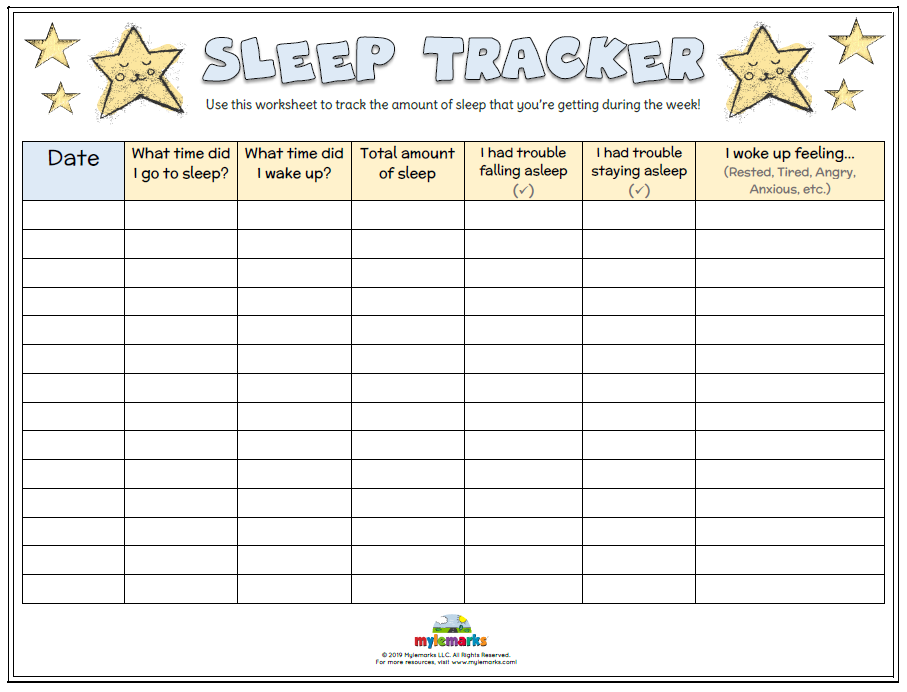
Non-obvious insight: Even without a tracker, parents can keep a simple sleep diary to track bedtimes, wake times, and how the child feels. This often gives just as much helpful information, without the risks.

Real-life Example
Consider Anna, age 10. Her parents worried she was not getting enough sleep. They tried a sleep tracker for two weeks. The device showed Anna slept less on nights when she used her tablet before bed. Together, they agreed to turn off screens 30 minutes earlier.
Anna’s sleep improved, and she felt better in the morning. The tracker was useful as a starting point, but the real change came from their new routine.
The Bottom Line: Are Sleep Trackers Good For Kids?
Sleep trackers can be a helpful tool for some families, but they are not a magic solution. They give parents and kids more information about sleep habits, which can lead to better routines. But they are not always accurate for children, and they can sometimes cause worry or distraction. The key is to use them as one tool among many—not as the final answer.
Parents should watch for signs of anxiety, keep privacy in mind, and focus on healthy habits. For many families, talking about sleep and making simple changes can be just as powerful as any device.
For more detailed information about sleep trackers and children, see the research from the Sleep Foundation.
Frequently Asked Questions
Can Sleep Trackers Diagnose Sleep Disorders In Children?
No, sleep trackers cannot diagnose sleep disorders. They can show patterns or problems, but only a doctor with special tests can diagnose conditions like sleep apnea or insomnia.
At What Age Can Children Start Using Sleep Trackers?
Most experts recommend age 7 and up for sleep trackers. Younger children may not understand the data, and the devices may not fit well or be accurate.
Are Sleep Trackers Safe For Kids To Wear Overnight?
Generally, sleep trackers are safe if used as directed. Choose devices without sharp edges, choking hazards, or strong wireless signals. Check the device often for damage.
What Is A Good Alternative To A Sleep Tracker?
A simple sleep diary works well. Write down when your child goes to bed, wakes up, and how they feel each day. This is often enough to spot patterns and improve sleep.
Do Sleep Trackers Improve Children’s Sleep Quality?
Sleep trackers alone do not improve sleep. But they can help families notice habits and make positive changes, which can lead to better sleep over time. The real improvement comes from routine, not just tracking.

