
Are Bcaa Supplements Worth It?
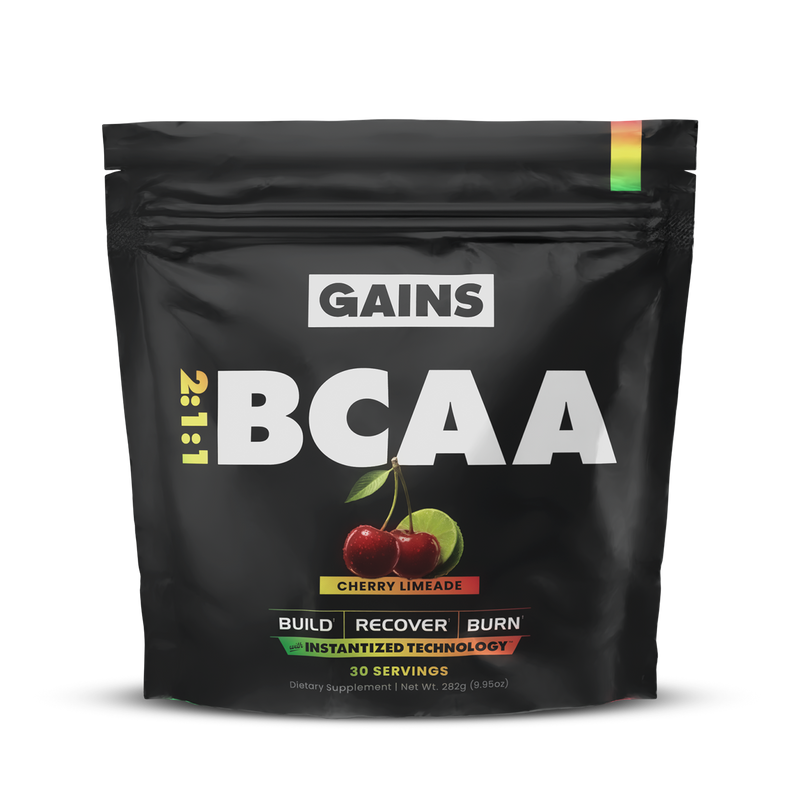
Many people in gyms and fitness communities talk about BCAA supplements. You see them in colorful tubs, hear trainers recommend them, and watch influencers mix them into water bottles. But do these branched-chain amino acids (BCAAs) really help? Or are they just another product you can skip? If you want to train smart and save money, it’s important to understand what BCAAs actually do, who might benefit, and where the hype ends.
What Are Bcaas?
BCAAs are a group of three essential amino acids: leucine, isoleucine, and valine. “Essential” means your body cannot produce them; you must get them from food. They are called “branched-chain” because of their unique shape. These amino acids play a special role in muscle growth, recovery, and energy during exercise.
How Do Bcaas Work In The Body?
When you exercise, especially with weights or high intensity, your muscles break down. BCAAs can help rebuild muscle fibers by promoting protein synthesis. Leucine, in particular, is important for starting this process. BCAAs are also used as an energy source when your body is under stress, like during long workouts or when you have not eaten enough.
Unlike other amino acids, BCAAs are broken down directly in the muscles, not the liver. This makes them available quickly for muscle repair or energy. Because of this, many people believe that taking BCAA supplements before or after workouts can help with muscle growth and recovery.

Main Benefits Claimed By Bcaa Supplements
Companies and trainers often mention these main benefits of BCAAs:
- Faster muscle recovery after workouts
- Reduced muscle soreness
- Increased muscle growth
- Prevention of muscle loss during dieting or hard training
- Better workout performance and less fatigue
But do these claims really hold up when we look at the science?
Do Bcaas Help With Muscle Growth?
Muscle growth (also called hypertrophy) happens when your body builds new muscle protein after being stressed by exercise. Leucine is known to start this process. However, muscle growth needs all essential amino acids, not just BCAAs.
What Science Shows
Research shows that BCAA supplements can trigger muscle protein synthesis for a short time, especially due to leucine. But if your body does not have enough of the other essential amino acids (like lysine, threonine, or methionine), the muscle-building process cannot continue. Most studies agree: BCAAs alone do not build more muscle than getting all essential amino acids from complete protein sources.
Real-life Example
Suppose you drink a shake with only BCAAs after your workout, but you have not eaten enough protein during the day. Your body can start repairing muscle, but the process will quickly stop. If you eat a full meal with chicken, eggs, or tofu, your body has all the building blocks needed for muscle repair and growth.
Are Bcaas Good For Muscle Recovery And Soreness?
Muscle soreness (DOMS) often happens 24–72 hours after hard exercise. Many athletes use BCAAs hoping to feel less sore and recover faster.
Research Findings
Studies on BCAAs and soreness give mixed results. Some show a small reduction in soreness, while others show no clear benefit. The effect seems strongest if you do not get enough protein from your diet. For people who already eat enough protein, adding BCAAs does not make a big difference in soreness or recovery speed.
Can Bcaas Prevent Muscle Loss When Dieting?
When you eat fewer calories, your body can break down muscle for energy. BCAAs are popular with people trying to lose weight because they hope the supplement will protect muscle.
Evidence And Practical Advice
Some small studies show BCAAs might help reduce muscle loss if you are eating very little protein. But for most people, eating enough total protein (from eggs, fish, beans, dairy, or meat) is more effective. BCAAs cannot replace the benefits of a balanced, high-protein diet.
Do Bcaas Improve Workout Performance?
Companies claim BCAAs help you train harder and longer. The idea is that they reduce mental and physical fatigue during exercise.
What Research Shows
Some studies report that BCAAs can lower tiredness in long or intense workouts, especially in endurance sports like marathon running or cycling. This effect seems small and is most useful when exercise lasts more than 1–2 hours, or when you exercise with low energy stores (like fasted training).
Food Sources Vs. Supplements: Which Is Better?
You can get BCAAs from both food and supplements. But is there a real difference?
Bcaa Content In Foods
Many protein-rich foods naturally contain BCAAs. For example:
- 100g chicken breast: About 5.5g BCAAs
- 2 large eggs: About 3g BCAAs
- 1 cup cooked lentils: About 2g BCAAs
Comparing Food And Supplements
Here’s a comparison of BCAA content in common foods versus a typical BCAA supplement serving:
| Source | BCAAs per serving (g) | Other Essential Amino Acids? |
|---|---|---|
| Chicken breast (100g) | 5.5 | Yes |
| Eggs (2 large) | 3 | Yes |
| Whey protein powder (1 scoop) | 5–6 | Yes |
| BCAA supplement (1 serving) | 5 | No |
As the table shows, whole foods and protein powders provide not only BCAAs but also other essential amino acids. BCAA supplements offer only three amino acids.
Who Might Benefit From Bcaa Supplements?
Most healthy people who eat enough protein do not need extra BCAAs. However, there are a few cases where BCAA supplements might be helpful:
- Vegans or vegetarians who struggle to get enough total protein, especially if their diet is low in high-BCAA plant foods
- People with very low appetite or those unable to eat solid foods (due to illness, surgery, or digestive issues)
- Athletes training fasted (without eating before exercise), where a small, quick BCAA dose may help protect muscle
- Bodybuilders during extreme “cutting” phases when protein intake is very low
Even in these cases, a full protein supplement (like whey or soy protein) is usually a better choice.
Common Myths And Misunderstandings About Bcaas
Many beginners make mistakes or believe myths about BCAA supplements. Here are some things to keep in mind:
1. Bcaas Are Not Magic Muscle Builders
Some people think BCAAs are a shortcut to bigger muscles. In truth, you need all essential amino acids, plus a good workout plan and enough calories.
2. Bcaas Do Not Replace Meals Or Protein Shakes
BCAA powder is not a meal replacement. It cannot provide your body with all the nutrients it needs after exercise.
3. More Is Not Always Better
Taking more BCAA powder does not mean more muscle growth. Your body can only use so much at one time.
4. Bcaas Are Not Always Necessary
If you already eat enough protein (about 1. 6–2. 2g per kilogram of body weight per day for active people), adding BCAA supplements usually has little extra benefit.
Side Effects And Safety Concerns
BCAA supplements are generally safe for most people when used in recommended amounts. However, there are some things to consider:
- Digestive issues: Some people report bloating, nausea, or stomach discomfort.
- Imbalance of amino acids: Relying only on BCAAs may lead to an imbalance, as your body needs all essential amino acids.
- Medical conditions: People with certain conditions (like ALS, Maple Syrup Urine Disease, or kidney problems) should avoid BCAA supplements.
Taking large doses for long periods is not well studied. Always follow label instructions and check with a healthcare professional if you have health concerns.
Cost And Value: Are Bcaas Worth The Money?
Let’s look at cost versus benefit. BCAA supplements are not cheap. A typical tub can cost $20–$40 for a month’s supply. Meanwhile, a bag of whey protein, eggs, or chicken offers more nutrition and often costs less per serving.
Here’s a simple comparison:
| Product | Cost per 5g BCAA Serving | Other Nutrients Included? |
|---|---|---|
| BCAA supplement | $0.60–$1.00 | No |
| Whey protein powder | $0.40–$0.70 | Yes (all amino acids, vitamins, minerals) |
| 100g chicken breast | $1.00–$2.00 | Yes (all amino acids, iron, B vitamins) |
For most people, getting protein from food or a complete protein powder gives more value for your money and nutrition.
Non-obvious Insights Most Beginners Miss
1. Bcaa Supplements Can Mask Poor Diet Habits
Some people use BCAAs instead of fixing their eating habits. They skip meals or eat low-quality food, thinking BCAAs will make up for it. This is a mistake. Real food provides more nutrients and better results.
2. The “anabolic Window” Is Not As Small As You Think
Many believe you must take BCAAs right after exercise for muscle growth. In reality, the time window to eat protein after training is bigger—up to several hours. If you get enough protein in your meals, the exact timing of BCAAs is not critical.
Alternatives To Bcaa Supplements
If you want better muscle growth, recovery, and performance, consider these options instead of BCAA-only supplements:
- Whey or plant-based protein powders: These give all essential amino acids, not just BCAAs.
- Real food: Chicken, fish, eggs, dairy, beans, nuts, and seeds all have BCAAs along with other nutrients.
- Balanced meals: Focus on regular meals with enough protein, carbs, and healthy fats.
What Really Matters For Muscle Growth And Recovery
To reach your fitness goals, focus on the basics first:
- Total protein intake: Aim for 1.6–2.2g/kg body weight per day if you are active.
- Consistent resistance training: Lift weights or do bodyweight exercises regularly.
- Rest and sleep: Your muscles need time to recover and grow.
- Balanced diet: Include a variety of foods to get all essential nutrients.
Supplements, including BCAAs, are just an extra. They cannot replace these key habits.
Evidence From Real Research
A 2017 review in the journal “Nutrients” looked at 11 studies on BCAAs and muscle growth. The authors found no strong evidence that BCAA supplements increase muscle mass or strength more than complete protein sources. Other research, including a study published by the International Society of Sports Nutrition, agrees: BCAAs alone do not outperform full protein in building muscle.
If you want to read more, see this article from the Wikipedia BCAA page for a summary of science and uses.
Simple Guidelines For Deciding If Bcaa Supplements Are Worth It
Ask yourself these questions:
- Do I already eat enough protein each day?
- Can I get protein from whole foods or protein shakes?
- Am I a vegan/vegetarian struggling to meet protein needs?
- Am I training fasted or under special circumstances?
If you answer “yes” to the first two, you probably do not need BCAA supplements. If you answer “yes” to the last two, BCAAs might help, but a complete protein supplement is usually better.
Frequently Asked Questions
What Are Bcaas And Why Are They Important?
BCAAs are branched-chain amino acids: leucine, isoleucine, and valine. They are essential for muscle growth, repair, and energy during exercise. Your body cannot make them, so you must get them from food or supplements.
Can I Get Enough Bcaas From Food?
Yes, most people can get enough BCAAs from a balanced diet with protein-rich foods like meat, dairy, eggs, or beans. You do not need supplements if you eat enough protein every day.
Are Bcaa Supplements Safe?
For healthy adults, BCAA supplements are safe when used as directed. Some people may have stomach upset. People with certain health problems should avoid BCAAs and talk to a doctor first.
Do Bcaas Help With Weight Loss?
BCAAs are not a fat burner. They might help protect muscle when dieting, but only if you do not get enough protein. For most people, eating enough total protein is more important for keeping muscle during weight loss.
Should I Take Bcaas Before Or After My Workout?
The timing is not critical if you get enough protein each day. If you exercise fasted or cannot eat a meal after training, BCAAs might help a little. But for most, eating a full meal or having a protein shake after your workout is better.
Final Thoughts
BCAA supplements are popular, and their marketing is strong. However, for most people who eat enough protein, BCAAs offer little extra benefit. They are not magic muscle builders and cannot replace a healthy diet or solid training plan. If you struggle to eat enough protein, especially as a vegan or during illness, BCAAs can help—but a complete protein source is usually better and more cost-effective. Focus on the basics: whole foods, regular exercise, and good rest. Use supplements only to fill real gaps in your nutrition, not as a shortcut. That’s the smart way to reach your fitness goals without wasting money or effort.

