
Are Bcaa Supplements Vegan-friendly?
Many people today are looking for ways to build muscle and recover faster after workouts. BCAA supplements—short for branched-chain amino acids—are popular in gyms, sports clubs, and health stores. But if you follow a vegan lifestyle, you might wonder: Are BCAA supplements vegan-friendly? The answer is not as simple as it seems. Some BCAA products are vegan, but many are not. To make informed choices, you need to know where BCAAs come from, how they are made, and what to look for on supplement labels.
This article will help you understand everything about BCAA supplements and vegan diets. You will learn what BCAAs are, why people take them, how they are made, and how to spot vegan-friendly options. You will also get advice on how to avoid common mistakes and discover surprising facts most beginners miss.
Whether you are a dedicated vegan or just exploring plant-based options, this guide will give you the knowledge and confidence to choose the right BCAA for your needs.
What Are Bcaas?
Branched-chain amino acids (BCAAs) are a group of three essential amino acids: leucine, isoleucine, and valine. These are called “essential” because your body cannot make them on its own—you must get them from food or supplements. BCAAs are important for muscle growth, reducing muscle soreness, and preventing muscle breakdown. They are especially popular among athletes, bodybuilders, and anyone who exercises regularly.
The Role Of Bcaas In The Body
- Leucine helps trigger muscle protein synthesis (the process that builds new muscle).
- Isoleucine helps with energy production and muscle recovery.
- Valine is important for energy and muscle tissue repair.
Most people get enough BCAAs from a balanced diet, but some choose to take supplements for an extra boost during intense training or to speed up recovery.
How Are Bcaa Supplements Made?
This is where things get interesting, especially for vegans. Not all BCAA supplements are made in the same way, and the source of the amino acids matters.
Traditional Bcaa Production
For many years, most BCAA supplements have been made using animal-based ingredients. The main source is keratin, which is found in:
- Animal hair
- Feathers
- Hooves
These animal byproducts are processed using acids or enzymes to extract the BCAAs. The result is a powder or capsule that contains the three essential branched-chain amino acids.
Modern Vegan Bcaa Production
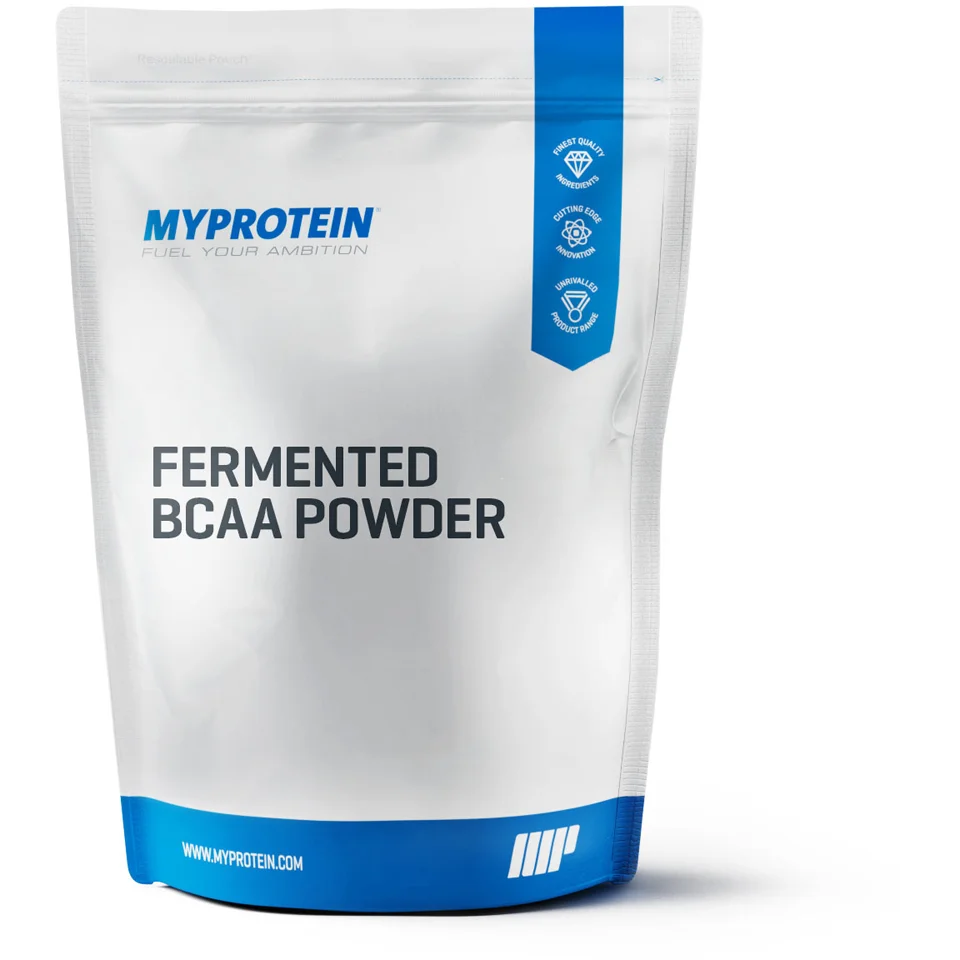
In recent years, demand for vegan-friendly supplements has grown. Now, some companies make vegan BCAAs using a process called fermentation. Instead of animal parts, they use plant-based sources like:
- Corn
- Soy
- Sugar beets
Microorganisms (such as bacteria or yeast) are fed these plant materials. The microorganisms then naturally produce the amino acids, which are purified and used in supplements. This method is entirely plant-based and suitable for vegans.
Comparing Animal-based Vs. Vegan Bcaa Production
Here’s a side-by-side look at the main differences:
| Aspect | Animal-Based BCAA | Vegan BCAA |
|---|---|---|
| Source | Hair, feathers, hooves | Corn, soy, beets |
| Production Method | Chemical extraction | Fermentation |
| Vegan-Friendly? | No | Yes |
| Environmental Impact | Higher (animal agriculture) | Lower (plant-based) |
| Common in Market | Still widely used | Growing in popularity |
Are All Bcaa Supplements Vegan-friendly?
The short answer: No, not all BCAA supplements are vegan-friendly. In fact, many products on the market still use animal-based sources, even if the packaging looks plant-based or healthy. Just because a product says “natural” or “pure” does not mean it is vegan. It is very important to read labels carefully and understand what to look for.
Common Ingredients To Watch For
When checking if a BCAA supplement is vegan, look for these clues:
- Source listed as “fermented”: This usually means plant-based.
- “Suitable for vegans” or vegan certification symbol: Trusted sign.
- No mention of source: Be careful; it could be animal-based.
- Gelatin capsules: Not vegan (made from animal bones/skin).
- Natural flavors or additives: Sometimes animal-derived, sometimes not.
Pro tip: If the label does not clearly say “vegan,” contact the manufacturer for details.
Ingredients List Example
Here’s a sample comparison of vegan vs. non-vegan BCAA ingredient lists:
| Vegan BCAA | Non-Vegan BCAA |
|---|---|
| Fermented L-Leucine (from corn) | L-Leucine (source not listed) |
| Fermented L-Isoleucine (from soy) | L-Isoleucine (from animal hair) |
| Fermented L-Valine (from beets) | L-Valine (source not listed) |
| Plant-based flavoring | Gelatin capsule |
Why Do People Take Bcaa Supplements?
BCAAs are popular among both vegans and non-vegans, but the reasons for taking them can vary. Here are the main benefits people hope to get:
- Muscle Growth: BCAAs, especially leucine, help activate muscle-building processes after exercise.
- Reduced Muscle Soreness: Studies show BCAAs can lower muscle soreness after tough workouts.
- Less Fatigue: Some athletes feel less tired when they take BCAAs during exercise.
- Muscle Protection: During long workouts or calorie cutting, BCAAs may help stop muscle breakdown.
However, it’s important to know that these benefits are not always dramatic, and results can differ from person to person. Most experts agree that if you get enough protein from food, you may not need a BCAA supplement. But for vegans, who sometimes find it harder to get complete protein sources, BCAAs can fill in nutritional gaps.

Vegan Diets And Bcaas: Is Supplementation Necessary?
A common myth is that plant-based diets are low in BCAAs. But is this true? Let’s dig deeper.
Bcaa Content In Plant Foods
While animal products like meat, eggs, and dairy are rich in BCAAs, many plant foods also contain these amino acids. Examples include:
- Soybeans and tofu
- Lentils
- Chickpeas
- Quinoa
- Nuts and seeds
- Whole grains
If you eat a varied vegan diet with enough calories and protein, you are likely getting enough BCAAs. However, some plant foods are lower in certain amino acids, so paying attention to variety is important.
Typical Bcaa Content In Common Foods
Here is a quick comparison of BCAA content in some foods (per 100g):
| Food | Leucine (mg) | Isoleucine (mg) | Valine (mg) |
|---|---|---|---|
| Chicken breast | 1600 | 970 | 1100 |
| Soybeans (cooked) | 1400 | 900 | 950 |
| Lentils (cooked) | 650 | 430 | 480 |
| Quinoa (cooked) | 530 | 290 | 390 |
| Egg (whole) | 1080 | 690 | 800 |
As you can see, soybeans come close to animal sources in BCAA content. Other plant foods are lower but can add up when eaten together.
When Do Vegans Need Bcaa Supplements?
- Intense athletes: If you train hard and find it difficult to eat enough protein, a BCAA supplement might help.
- Low-protein diets: If you eat mostly fruits and vegetables and avoid protein-rich plant foods, you may benefit from extra BCAAs.
- Special situations: During weight loss, illness, or recovery from injury, your needs might be higher.
For most vegans eating a balanced diet, BCAA supplements are not strictly necessary. But they can be useful in some cases.
How To Choose A Vegan-friendly Bcaa Supplement
With so many options on the market, finding a truly vegan BCAA supplement can feel confusing. Here’s how to make the right choice.
Key Things To Check
- Label Transparency: Look for clear statements like “100% vegan” or “plant-based fermented BCAAs.”
- Fermentation Process: Confirm that the BCAAs are made by fermentation from plant sources (corn, soy, etc. ).
- Certification: Vegan certifications (like Vegan Society or Certified Vegan) are a good sign.
- Capsule Ingredients: If it’s a capsule, make sure it’s made from cellulose (not gelatin).
- Additives: Watch for animal-derived flavors, colors, or sweeteners.
Red Flags To Avoid
- Vague language (“pure BCAAs” without source info)
- No contact information or details on the website
- Products much cheaper than competitors (these often use animal sources)
- Capsules that do not say “vegetarian” or “vegan”
Non-obvious Insight: Country Of Origin
Some countries require supplement companies to list the source of their ingredients, while others do not. Products from the US, Canada, or the EU are more likely to have clear labeling, while those from some Asian countries may not.
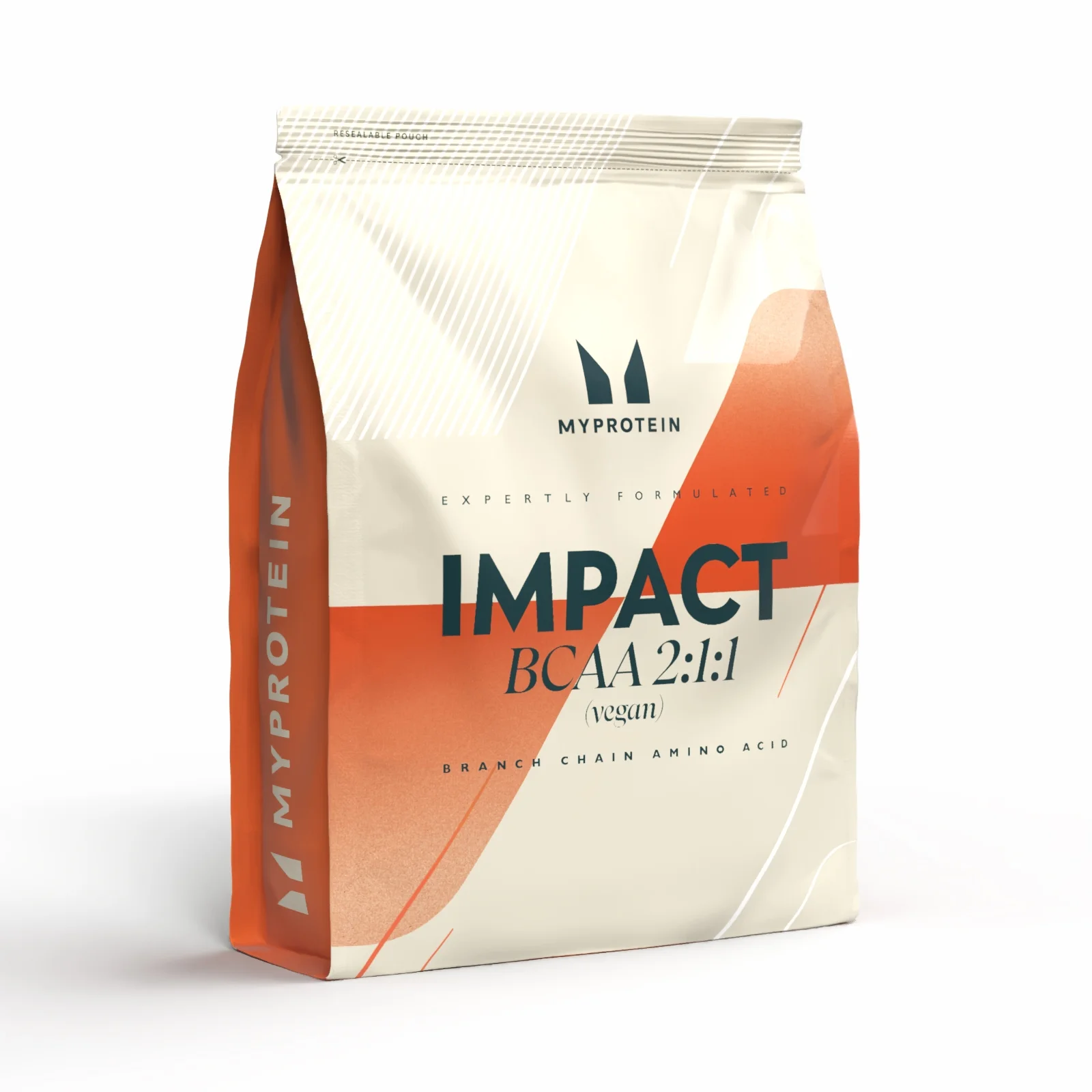
Example Of A Vegan Bcaa Label
- “Fermented BCAAs from non-GMO corn”
- “Suitable for vegans and vegetarians”
- “No animal-derived ingredients”
- “Vegan Society certified”
Pros And Cons Of Vegan Bcaa Supplements
Vegan BCAA supplements have unique advantages and disadvantages compared to traditional animal-based products.
Pros
- No animal products: 100% plant-based, cruelty-free.
- Environmentally friendly: Lower carbon footprint, less pollution.
- Free from common allergens: No dairy, eggs, or animal byproducts.
- Suitable for all diets: Vegans, vegetarians, and those with religious or ethical restrictions.
Cons
- Higher price: Vegan BCAAs often cost more due to complex production.
- Taste: Some fermented BCAAs have a strong or unusual flavor.
- Availability: Not every store or brand offers vegan options.
- Fewer “instantized” options: Some vegan BCAAs do not dissolve as easily in water.
Non-obvious Insight: Solubility Issues
Many beginners do not know that vegan BCAAs can sometimes be harder to mix into drinks. This is due to the fermentation process and lack of certain additives. Shaking or blending the powder can help, or you can look for “instantized” vegan BCAA products.
Hidden Animal Ingredients In Supplements
Even if the main BCAAs are vegan, some supplements include hidden animal-derived ingredients. Watch for:
- Gelatin capsules (not vegan)
- Carmine (a red color from insects)
- Natural flavors (can be animal or plant-based)
- Lactose (milk sugar, sometimes used as a filler)
- Magnesium stearate (can be plant- or animal-derived)
Always read the full ingredient list and, when in doubt, contact the manufacturer.
Are Vegan Bcaa Supplements As Effective?
A common concern is whether vegan BCAAs work as well as animal-based ones. The answer is yes. Chemically, amino acids are the same regardless of their source. Your body cannot tell if the leucine you take came from corn or from animal hair. What matters is the purity and the ratio of the three BCAAs.
Most supplements use a 2:1:1 ratio of leucine:isoleucine:valine, which is the most studied and effective for muscle growth and recovery.
Environmental Impact: Vegan Vs. Animal-based Bcaas
Choosing vegan BCAAs is not just about diet or ethics—it’s also better for the planet. Animal agriculture is a leading cause of greenhouse gas emissions, water use, and pollution. Using plant-based sources for supplements reduces environmental harm.
For example, producing 1 kg of animal-based BCAAs uses much more water and energy than making the same amount from plant fermentation. Plus, fermentation creates less waste and pollution.
How To Incorporate Vegan Bcaas Into Your Diet
If you decide to use a vegan BCAA supplement, here are some tips:
- Timing: Take BCAAs before, during, or after workouts for best results.
- Dosage: 5–10 grams per serving is common for most people.
- Mixing: Use a shaker or blender for better mixing.
- Combining with food: You can add BCAA powder to smoothies, juice, or water.
- Consistency: Use regularly if you train hard or have higher protein needs.
Remember, supplements should not replace whole foods. Try to get most of your amino acids from a balanced, varied diet.
How To Spot Fake Or Misleading Vegan Bcaa Claims
Sadly, some brands use marketing tricks to make their BCAAs seem vegan when they are not. Here’s how to protect yourself:
- Check for third-party certifications (like Vegan Society)
- Ask for documentation from the company about ingredient sourcing
- Research the brand’s reputation and reviews
- Be wary of “vegan” claims with no details about fermentation or plant sources
If a product is much cheaper than others, it may be using animal-based BCAAs even if the label says “vegan. ” Always do your homework before buying.
Alternatives To Bcaa Supplements For Vegans
If you prefer not to use supplements, you can boost your BCAA intake through food. Focus on:
- Soy products: Tofu, tempeh, edamame
- Seitan (wheat protein)
- Quinoa
- Legumes: Lentils, beans, chickpeas
- Nuts and seeds: Almonds, pumpkin seeds, chia seeds
- Whole grains: Oats, brown rice, barley
Eating a combination of these foods daily can help meet your BCAA needs naturally.
Are Bcaa Supplements Safe?
For healthy adults, BCAA supplements are generally safe when used as directed. Some possible side effects include:
- Upset stomach or nausea
- Headache
- Fatigue (if overused)
People with certain medical conditions (such as ALS, maple syrup urine disease, or kidney problems) should avoid BCAA supplements. If you are pregnant, breastfeeding, or have health concerns, talk to your doctor first.
The Future Of Vegan Bcaa Supplements
The market for vegan-friendly supplements is growing rapidly. New methods, such as fermentation from new plant sources and improved flavoring, are making vegan BCAAs more available and enjoyable. As demand increases, prices are likely to become more competitive, and choices will expand.
Major supplement brands are now offering vegan options, and more research is being done on their benefits. As a result, it is easier than ever to choose animal-free supplements that support both your health and your values.
Frequently Asked Questions
Are All Bcaa Supplements Vegan?
No, most BCAA supplements are not vegan. Many are made from animal byproducts such as hair or feathers. Only products that use plant-based fermentation and clearly state “vegan” or “plant-based” are suitable for vegans.
How Can I Tell If My Bcaa Supplement Is Vegan?
Check the label for words like “fermented from corn,” “plant-based,” or a vegan certification. If the source is not listed, contact the company. Watch out for gelatin capsules and unclear “natural flavors. ”
Are Vegan Bcaa Supplements As Effective As Animal-based Ones?
Yes. The amino acids in vegan BCAA supplements are chemically identical to those from animal sources. Your body uses them in the same way for muscle building and recovery.
Do Vegans Need To Take Bcaa Supplements?
Most vegans can get enough BCAAs from a well-planned diet rich in protein. Supplements are helpful for athletes, people with high protein needs, or those who struggle to eat enough protein-rich foods.
Where Can I Learn More About Bcaa Research?
You can find reliable information on BCAAs and their effects on health and exercise in resources like Wikipedia, which summarizes scientific studies and expert reviews.
Choosing the right BCAA supplement is a personal decision. If you value animal welfare, the environment, or simply want to avoid hidden animal ingredients, vegan BCAA supplements are a smart and effective choice. With careful label reading and a bit of research, you can find the best option to support your goals—without compromising your values.

