
Are Bcaa Supplements Safe For Teenagers?
Teenagers are always searching for ways to improve their athletic performance, build muscle, or simply recover faster after exercise. Social media and fitness influencers often recommend BCAA supplements as a shortcut to better results. But is it really safe for teenagers to use these supplements? Understanding the facts is important—not just for young athletes, but also for parents, coaches, and anyone who cares about teen health.
Many teens see BCAA (Branched-Chain Amino Acids) supplements as a quick fix for muscle gain or energy. With promises of better recovery and more muscle, it’s easy to see why these powders and pills are popular. However, there are a lot of questions about their safety, effectiveness, and whether they are even necessary.
This article takes a close look at the science, the risks, and the myths around BCAA supplements for teenagers. By the end, you’ll know what really matters before making any decision.
What Are Bcaas?
Branched-Chain Amino Acids are a group of three essential amino acids: leucine, isoleucine, and valine. They are called “branched-chain” because of their chemical structure. These amino acids are essential, meaning our bodies cannot make them—we must get them from food.
BCAAs play an important role in muscle growth and energy during exercise. They are found in protein-rich foods like chicken, eggs, dairy, and some plant sources. Many sports supplements offer BCAAs in powder or capsule form, promising faster muscle recovery, less soreness, and more strength.
Why Are Bcaas Popular Among Teenagers?
- Fitness culture on social media often promotes BCAAs as a “must-have” for athletes.
- Many supplement companies market their products directly to teens.
- BCAAs are easy to buy and use, often added to water or shakes.
- They’re believed to help with muscle soreness and performance.
However, popularity does not always mean something is safe or necessary, especially for teenagers whose bodies are still developing.
How Do Bcaa Supplements Work?
BCAAs are different from other amino acids because the muscles can use them directly for energy during exercise. Here’s how they work:
- Energy source: During exercise, BCAAs can be broken down for energy.
- Muscle repair: Leucine, in particular, helps start the process of building new muscle after exercise.
- Reduce soreness: Some studies suggest BCAAs may help reduce muscle soreness after intense workouts.
But the effects are often small and not as dramatic as marketing claims. For most people, getting enough protein from food supplies all the BCAAs needed.
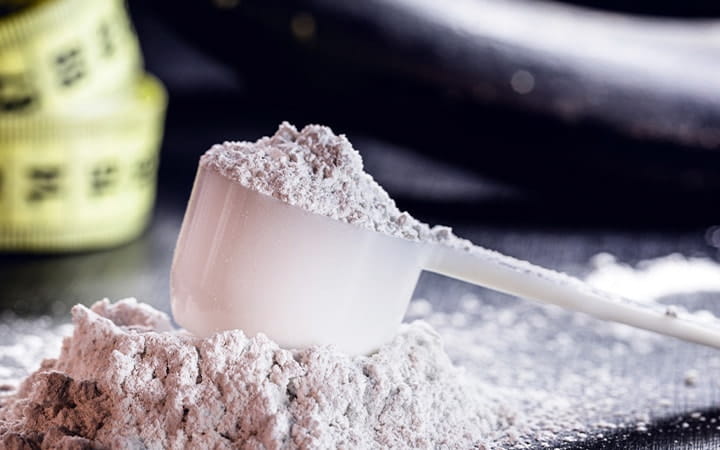
Are Bcaa Supplements Necessary For Teenagers?
This is a key question. Teens are still growing. Their bodies need all essential amino acids, not just BCAAs. Protein from normal, healthy meals usually provides enough.
Comparing Bcaas From Food Vs. Supplements
Let’s see how common foods compare to supplements:
| Food Source | BCAAs per Serving (g) | Other Nutrients |
|---|---|---|
| Chicken Breast (100g) | 5.6 | Protein, Iron, Zinc |
| Eggs (2 large) | 3.2 | Protein, Vitamins, Healthy Fats |
| BCAA Supplement (1 scoop) | 5-7 | Usually only BCAAs |
As you can see, real food gives not just BCAAs but also other important nutrients. Supplements usually only provide BCAAs and sometimes artificial flavors or sweeteners.
Possible Benefits Of Bcaa Supplements
Some teens hope that taking BCAA supplements will help them:
- Recover faster after sports or workouts.
- Build muscle more quickly.
- Reduce muscle soreness after exercise.
- Improve performance in sports or training.
But What Does Research Really Say About These Benefits?
Scientific Evidence
- Faster recovery: Some small studies show BCAAs might help reduce muscle soreness, but the effect is usually small.
- Building muscle: There’s little evidence that BCAA supplements give extra muscle growth if you already eat enough protein.
- Performance: Most studies show little to no improvement in sports performance from BCAA supplements alone.
Are These Benefits Worth The Risk?
For most teenagers, the benefits are limited. Good nutrition, rest, and smart training are much more important for recovery and performance.
Risks And Side Effects Of Bcaa Supplements For Teens
Supplements are not always safe, especially for young people. Teenagers’ bodies are still developing, and extra BCAAs can have unwanted effects.
Common Side Effects
- Stomach upset: Some teens report nausea, bloating, or diarrhea.
- Headaches: High doses can sometimes cause headaches or fatigue.
- Possible impact on blood sugar: BCAAs may affect insulin and blood sugar control.
- Kidney stress: Large amounts of protein or BCAAs can stress the kidneys—especially if there are underlying health issues.
Rare But Serious Risks
- Interference with medications: BCAA supplements can interact with some medicines for diabetes or epilepsy.
- Imbalance of amino acids: Taking only BCAAs can cause a shortage of other important amino acids in the body.
- Unknown additives: Some supplements may contain hidden ingredients, like caffeine or even banned substances.
Here’s how risks compare for teens vs. adults:
| Risk | Teenagers | Adults |
|---|---|---|
| Kidney Stress | Higher (developing organs) | Lower (if healthy) |
| Hormonal Imbalance | Possible (hormones still changing) | Less likely |
| Unknown Additives | Risky (less body mass) | Risky (but more tolerance) |
Why Teenagers Should Be Cautious
Growth And Development
Teenagers are not just “small adults. ” Their bodies are growing quickly, and their organs, bones, and muscles are changing. Taking unnecessary supplements can interfere with natural growth.
- Hormonal balance: BCAAs might affect hormones that control growth and metabolism.
- Nutrition balance: Focusing on supplements can mean teens eat less healthy food, missing out on vitamins and minerals.
Risk Of Overuse
Many teens believe “more is better. ” This can lead to taking high doses, which increases the risk of side effects. Some may even mix BCAAs with other supplements, raising the danger.
Real-life Example
A 16-year-old football player started taking BCAA supplements, believing it would help him recover faster. He doubled the dose after a week, hoping for even more effect. Instead, he developed stomach pain and had to see a doctor. The pain stopped only after he quit the supplements.

Expert Opinions On Bcaa Supplement Safety For Teenagers
What Do Health Organizations Say?
Most health authorities do not recommend BCAA supplements for teenagers unless prescribed by a doctor.
- American Academy of Pediatrics: Recommends food first, supplements only if a doctor suggests.
- Dietitians: Say teens should get all amino acids from a balanced diet, not pills or powders.
- Coaches and trainers: Often warn about supplement risks, especially for young athletes.
Doctor’s Advice
Pediatricians and sports doctors agree: supplements are rarely needed. They may be useful in special cases—like severe illness or specific medical conditions—but not for healthy, active teens.
How Much Protein And Bcaas Do Teens Really Need?
The best way for teenagers to get enough BCAAs is through their daily protein intake. Here’s a simple guide:
- Average teen (13-18 years): Needs about 0.8-1.0 grams of protein per kilogram of body weight per day.
- Athletes: May need a little more, up to 1.2 grams per kilogram.
Most teens meet these needs easily if they eat a balanced diet.
Example Daily Protein Needs
| Body Weight (kg) | Protein Needed (g) | How to Meet This |
|---|---|---|
| 50 | 40-50 | 2 eggs, 1 chicken breast, 1 cup yogurt |
| 60 | 48-60 | 3 eggs, 1 fish fillet, 1 glass milk |
| 70 | 56-70 | 4 eggs, 1 steak, 1 cup beans |
As shown, regular meals can easily provide all the BCAAs and protein a teen needs.
Myths About Bcaa Supplements For Teenagers
There are several myths about BCAA supplements that lead teenagers to use them without real need.
Myth 1: Bcaas Are Needed For Muscle Growth
Truth: If you eat enough protein, you get all the BCAAs required for muscle growth. Supplements are not necessary.
Myth 2: Bcaas Are Safe For Everyone
Truth: BCAA supplements can cause side effects, especially if taken in high doses or with other supplements. Not everyone reacts the same way.
Myth 3: Bcaas Help You Lose Fat
Truth: There is no strong evidence that BCAAs help with fat loss. Eating balanced meals and regular exercise are better for healthy weight.
Myth 4: Bcaas Give Instant Energy
Truth: BCAAs do not provide quick energy like sugar or caffeine. They are used by muscles during long exercise, but the effect is small.
Myth 5: All Bcaa Supplements Are The Same
Truth: Quality and safety vary. Some products are contaminated or mislabeled. Always check for trusted brands and third-party testing.
Common Mistakes Teens Make With Bcaa Supplements
- Skipping meals: Relying on supplements instead of real food.
- Taking high doses: Thinking more is better, which increases risk.
- Mixing with other supplements: Combining BCAAs with pre-workouts, energy drinks, or protein powders can be dangerous.
- Ignoring allergies: Some BCAA powders have hidden ingredients like soy or dairy.
- Not telling parents or coaches: Hiding supplement use can lead to unsafe choices.

Safe Alternatives To Bcaa Supplements For Teenagers
If you’re a teen athlete or just want to stay healthy, here are better ways to support your body:
- Eat a balanced diet: Focus on lean meats, eggs, dairy, beans, nuts, and seeds.
- Stay hydrated: Water is important for muscle function and recovery.
- Get enough sleep: Rest is critical for muscle repair and growth.
- Smart training: Don’t overtrain—follow a balanced exercise plan.
- Talk to an expert: Ask a coach, dietitian, or doctor before trying any supplement.
When Might A Teenager Actually Need Bcaa Supplements?
In rare cases, a doctor might recommend BCAA supplements:
- Medical conditions: Such as certain metabolic diseases or severe muscle loss.
- Restricted diets: For teens with very limited diets (like vegans who do not eat enough protein).
- Special sports needs: Only under expert supervision.
Even in these cases, supplements should only be taken with medical advice.
What Parents And Coaches Should Know
- Discuss nutrition openly: Talk about the importance of real food and balanced meals.
- Watch for signs of misuse: Sudden changes in weight, energy, or mood can be signals.
- Help teens check supplement safety: Look for third-party testing and clear ingredient labels.
- Set a good example: Avoid using unnecessary supplements yourself.
The Bottom Line: Are Bcaa Supplements Safe For Teenagers?
There is no strong evidence that BCAA supplements are needed or safe for healthy teenagers. Most teens can get all the BCAAs they need from a balanced diet. The risks—side effects, overuse, unknown additives—often outweigh the small possible benefits. Supplements are not a shortcut to better performance or health.
For teenagers, food first is the best rule. Supplements should only be considered if there is a real medical need, and always with advice from a health professional. Focus on good nutrition, smart training, and enough rest—these are the true keys to success and well-being.
If you want to read more about amino acids and their role in nutrition, visit this Wikipedia page on BCAAs.
Frequently Asked Questions
What Are The Main Bcaas, And Why Are They Important?
The main BCAAs are leucine, isoleucine, and valine. They help build and repair muscles, especially after exercise. They are called “essential” because your body cannot make them—you must get them from food.
Can Bcaa Supplements Cause Serious Health Problems In Teens?
For healthy teens, serious problems are rare but possible, especially with high doses or long-term use. Risks include kidney stress, hormonal changes, and allergic reactions. Teens with health conditions or those taking medications are at higher risk.
Is It Better To Get Bcaas From Food Or Supplements?
Getting BCAAs from food is safer and healthier for most teens. Foods like chicken, eggs, fish, dairy, and beans provide all the BCAAs your body needs, plus other important nutrients.
How Can Teens Recover Faster After Exercise Without Supplements?
To recover well, teens should eat balanced meals, drink water, get enough sleep, and avoid overtraining. Stretching and gentle exercise can also help reduce soreness.
Should Teens Talk To A Doctor Before Taking Bcaa Supplements?
Yes. Teenagers should always talk to a doctor or dietitian before starting any supplement, including BCAAs. This is especially important if they have a medical condition, take medications, or are unsure about their diet.
With the right information and smart choices, teenagers can build healthy habits that last a lifetime—no shortcuts or risky supplements required.

