
Are Bcaa Supplements Good For Women?
Many women interested in fitness and health have heard about BCAA supplements. These products are popular in gyms, on social media, and in many wellness blogs. But are BCAA supplements actually good for women? Do they help with muscle growth, weight loss, or energy? Or are they just another trend with little real benefit? In this article, we’ll take a close look at BCAA supplements for women, using clear language and real evidence. You’ll learn what BCAAs are, how they work, if women really need them, and how to use them safely. By the end, you’ll know if BCAA supplements belong in your health routine—or not.
What Are Bcaas?
BCAA stands for Branched-Chain Amino Acids. These are a group of three essential amino acids:
- Leucine
- Isoleucine
- Valine
Your body cannot make these amino acids by itself. You must get them from food or supplements. The “branched-chain” name comes from their special structure, which looks like a branch.
These three amino acids are important because they play a key role in muscle growth and energy production. They are found in protein-rich foods such as chicken, fish, eggs, dairy, and beans. BCAA supplements usually come as flavored powders or capsules.
How Bcaas Work In The Body
BCAAs are different from other amino acids because they are mostly broken down in the muscles, not the liver. This makes them unique in how they provide energy and support muscle tissue.
Here’s what happens when you take BCAAs:
- Muscle Fuel: During exercise, BCAAs can be used directly by muscles for energy. This helps delay tiredness.
- Protein Synthesis: BCAAs, especially leucine, help trigger the process that builds new muscle.
- Prevent Muscle Breakdown: When you exercise hard or eat fewer calories, your body may break down muscle for energy. BCAAs can help slow this process.
- Reduce Soreness: Some studies show BCAAs may decrease muscle soreness after intense workouts.
:max_bytes(150000):strip_icc()/Health-BCAA-GettyImages-1366492028-Purple-Vert-v2-4a76fcd7ad004cceb6d18a67b12c67bd.jpg)
Why Women Consider Bcaa Supplements
Many women are interested in BCAAs for several reasons:
- Building lean muscle without looking bulky
- Boosting energy during tough workouts
- Supporting fat loss
- Reducing muscle soreness after exercise
- Helping with recovery
The promise is simple: take a scoop of BCAA powder, and you’ll see faster results. But is it really true? Let’s look at the evidence.
Do Women Need Bcaa Supplements?
Getting Bcaas From Food
First, it’s important to know that most women can get enough BCAAs through a balanced diet. Foods high in protein—like chicken, beef, fish, eggs, dairy, soy, and legumes—are rich in BCAAs.
Here’s a quick look at the BCAA content in common foods:
| Food | Serving Size | BCAAs (grams) |
|---|---|---|
| Chicken breast | 100g | 5.9 |
| Eggs | 2 large | 2.1 |
| Greek yogurt | 170g | 2.0 |
| Tofu | 100g | 1.7 |
| Lentils (cooked) | 1 cup | 1.3 |
For most women, eating enough protein will give you all the BCAAs you need. If you already eat foods like these daily, extra BCAA supplements may not be necessary.
When Supplements Might Help
However, there are situations where BCAA supplements could be useful:
- Vegetarian or vegan diets: Some plant-based diets are lower in certain amino acids, especially leucine.
- Low-calorie diets: If you’re eating less to lose weight, you might not get enough protein.
- Intense training: Athletes or women training for long periods or at high intensity may need extra BCAAs for recovery.
Benefits Of Bcaa Supplements For Women
Let’s explore the possible benefits in detail.
1. Muscle Growth And Strength
BCAAs, especially leucine, help activate muscle protein synthesis. This is the process that builds new muscle tissue. Some research shows that taking BCAA supplements before or after a workout may help women recover faster and build lean muscle.
However, the effect is usually small if you already get enough protein from food. For women who struggle to meet protein needs, BCAA supplements might help support muscle tone, especially during resistance training.
2. Reducing Muscle Soreness
BCAAs may help reduce Delayed Onset Muscle Soreness (DOMS). This is the sore, stiff feeling you get a day or two after a tough workout. A few studies found that women who took BCAAs before or after exercise felt less sore and recovered quicker.
For example, a study in the *Journal of the International Society of Sports Nutrition* showed that people taking BCAAs had 33% less muscle soreness after exercise compared to those taking a placebo.
3. Supporting Fat Loss
Some women use BCAAs to help with fat loss. The idea is that BCAAs can help keep muscle while losing fat, which is important for a toned look. Leucine, in particular, may help your body burn more fat during exercise.
However, BCAAs are not a magic weight-loss solution. You still need a healthy diet and regular exercise. But for women on low-calorie diets, BCAAs can help prevent muscle loss while losing fat.
4. Boosting Workout Performance
BCAA supplements can help fight fatigue during long or high-intensity workouts. Some studies found that women who took BCAAs could exercise longer before feeling tired.
One reason: BCAAs may help lower the production of serotonin in the brain during exercise. Serotonin increases the feeling of tiredness, so blocking it can help you push a bit harder.
5. Supporting Immune Health
Hard training can sometimes weaken the immune system. BCAAs help support immune cells and may help women avoid getting sick after tough workouts. However, this benefit is more pronounced in athletes and those doing very intense exercise.
Bcaa Supplements: Are There Risks For Women?
BCAA supplements are generally safe for most women when used as directed. But there are some points to consider:
Possible Side Effects
- Stomach discomfort: Some women feel bloating, nausea, or cramps if they take too much.
- Headaches: Rare, but can happen, especially with large doses.
- Possible effect on blood sugar: BCAAs may affect insulin levels in some people. If you have diabetes or blood sugar issues, talk to your doctor first.
- Interactions with medications: BCAAs can interact with certain drugs for Parkinson’s disease or diabetes.
Not For Everyone
- Pregnancy and breastfeeding: There is not enough research to say BCAA supplements are safe during these times. It’s best to avoid them.
- Certain health conditions: If you have a metabolic disorder called Maple Syrup Urine Disease, you should avoid BCAAs.
Overuse Is Not Better
Taking more BCAAs than needed does not mean more benefits. The body can only use a certain amount; the rest is wasted. High doses over a long time could stress the kidneys or liver, especially if you have existing health problems.
Comparing Bcaa Supplements With Protein Powders
Many women wonder: Should I take BCAAs or just use a protein powder? Here’s a side-by-side comparison:
| Feature | BCAA Supplement | Protein Powder |
|---|---|---|
| Main Content | Leucine, Isoleucine, Valine | All 9 essential amino acids |
| Calories | Very low | 100-150 per serving |
| Best Use | During workout or fasted state | Meal replacement or post-workout |
| Muscle Building | Supports, but limited alone | Stronger effect |
| Vegan Options | Available | Available |
| Cost | Usually higher per gram | Usually lower per gram |
In most cases, a high-quality protein powder gives you all the BCAAs plus other essential amino acids your body needs for muscle repair and growth. BCAA-only supplements may help if you train in a fasted state or want a low-calorie option.
How To Take Bcaa Supplements: Practical Tips For Women
If you decide to try BCAA supplements, here’s how to use them safely and effectively:
Choosing The Right Product
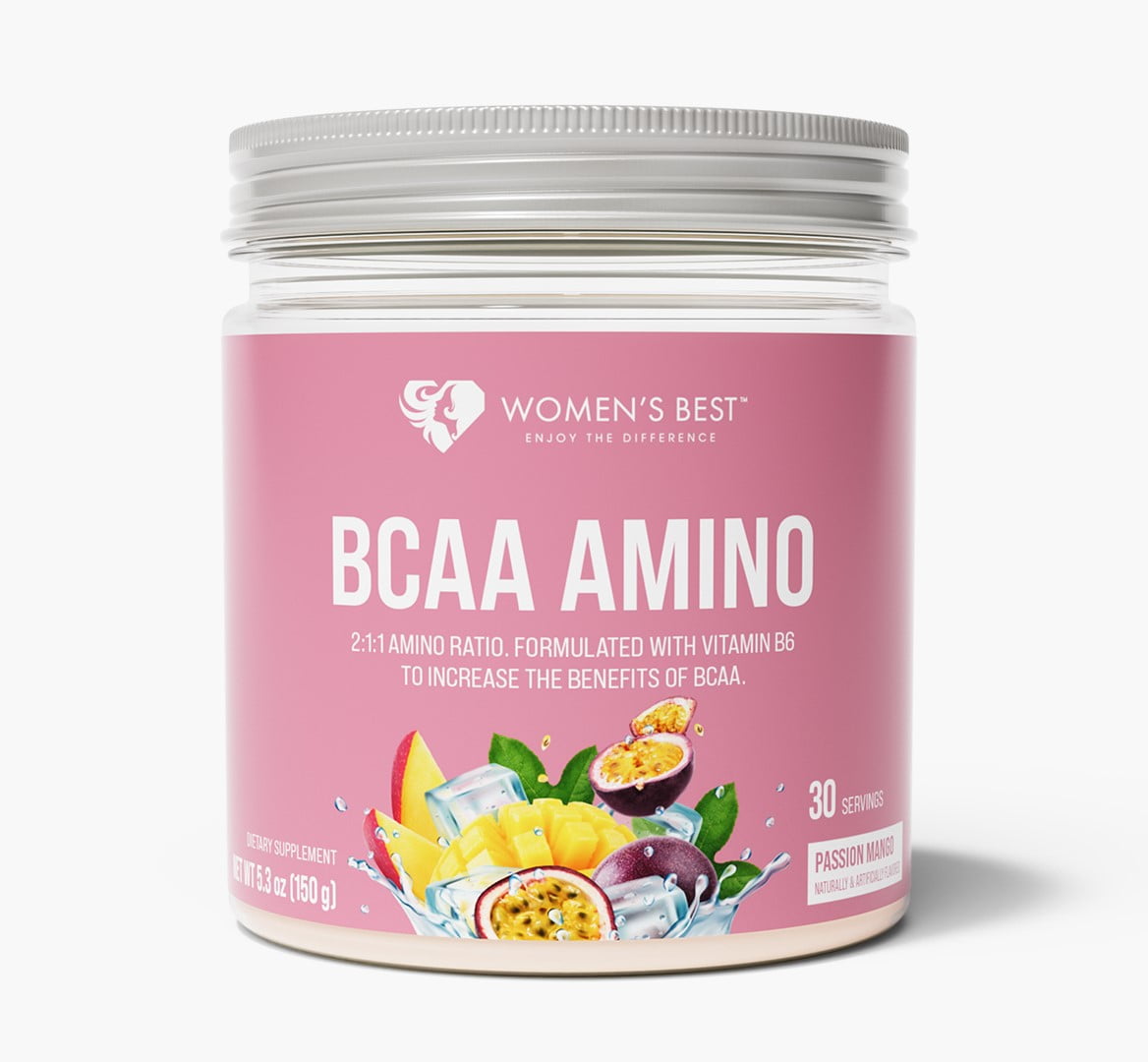
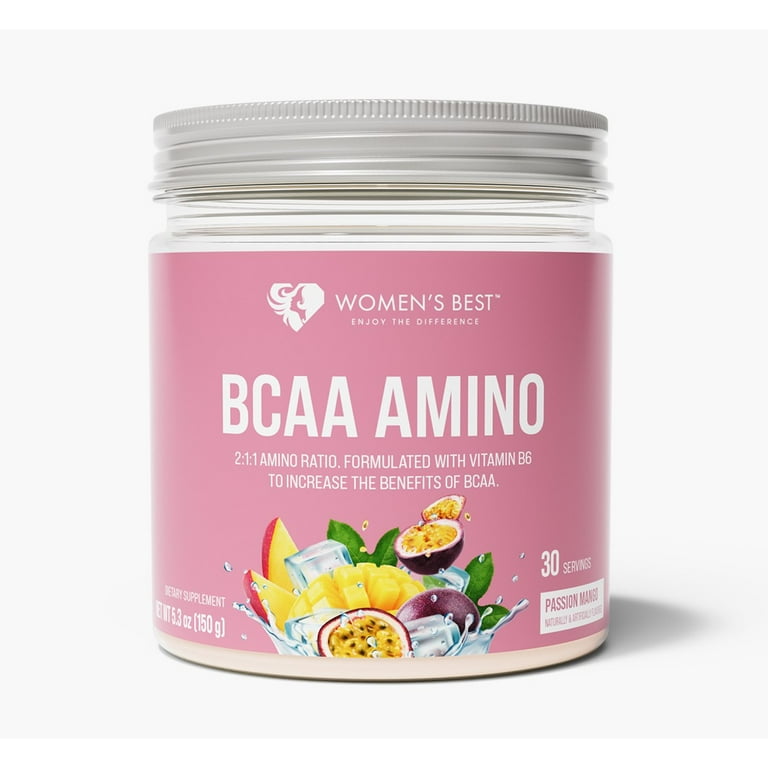
- Check the ratio: Most products use a 2:1:1 ratio of leucine to isoleucine to valine. This is the most studied and balanced ratio.
- Avoid fillers: Pick products without added sugar, artificial colors, or unnecessary ingredients.
- Look for third-party testing: This ensures purity and safety.
Dosage And Timing
- Typical dose: 5-10 grams of BCAAs per serving.
- Best times: Before, during, or right after your workout. Some women also use BCAAs between meals on low-calorie diets.
- Stay hydrated: Drink plenty of water, especially during workouts.
Mixing And Flavor
BCAA powders can taste bitter. Many brands offer fruit flavors to make them easier to drink. You can mix BCAAs with water, juice, or blend into smoothies.
Cycling Bcaa Use
You don’t need to take BCAAs every day forever. Many women use them during periods of intense training or dieting, then stop for a while. This helps avoid wasting money and reduces the risk of side effects.
Listening To Your Body
If you notice any unwanted effects—such as stomach pain or headaches—stop using the supplement and talk to a health professional.
Common Myths About Bcaa Supplements And Women
Let’s clear up some confusion with facts.
Myth 1: Bcaas Make Women Bulky
Some women worry that taking BCAAs will make them look too muscular. This is not true. BCAAs help preserve lean muscle, not build big, bulky muscles. Getting very muscular takes years of hard training and a special diet.
Myth 2: Bcaas Are Only For Bodybuilders
BCAAs are not just for women who want to compete in bodybuilding. Anyone who exercises regularly, wants better recovery, or needs more energy during workouts may benefit.
Myth 3: More Is Always Better
Taking extra-large doses of BCAAs does not lead to extra results. Your body can only use a certain amount; the rest is wasted.
Myth 4: Bcaas Replace A Healthy Diet
Supplements should not replace real food. Protein-rich foods provide BCAAs plus other nutrients your body needs.
Myth 5: All Bcaa Supplements Are The Same
Quality matters. Some cheap products contain fillers, poor-quality ingredients, or less BCAA content than claimed. Choose reputable brands.
Special Considerations For Women
Hormonal Differences
Women have different hormone cycles than men, which can affect energy, muscle recovery, and how the body uses protein. Some research suggests that women may need slightly less protein or BCAAs than men, but this depends on activity level, age, and goals.
Age And Bcaa Needs
As women get older, muscle mass naturally declines, a process called sarcopenia. BCAA supplements may help older women maintain lean muscle, especially when combined with strength training.
Pregnancy And Breastfeeding
There is not enough research to recommend BCAA supplements during pregnancy or breastfeeding. It’s safer to get BCAAs from food during these times.
Vegan And Vegetarian Diets
Women who avoid animal products need to pay extra attention to their protein sources. Some plant proteins are lower in certain BCAAs, especially leucine. In these cases, a BCAA supplement can help fill the gap.
How To Choose The Best Bcaa Supplement For Women
With so many options on the market, picking the right supplement can be tricky. Here are some important tips:
- Check the BCAA ratio: Look for a 2:1:1 ratio of leucine:isoleucine:valine.
- See the ingredient list: Avoid products with artificial sweeteners, colors, or unnecessary additives.
- Check for allergens: If you have allergies, check if the product contains soy, gluten, or dairy.
- Look for certification: Choose brands tested by third parties like NSF or Informed-Choice.
- Read reviews: See what other women say about taste, mixing, and effects.
- Buy from trusted sellers: Avoid unknown brands or deals that seem too good to be true.
Real-world Results: What Women Say About Bcaas
Many women find BCAA supplements helpful, especially for recovery and maintaining energy during workouts. For example, some women who do fasted cardio (exercise before eating in the morning) use BCAAs to protect muscle and reduce fatigue.
Others say BCAAs help them stick to their diet by reducing cravings and keeping them full between meals. However, not everyone notices a difference, especially if they already eat enough protein.
It’s important to remember that supplements work best with a healthy lifestyle—good nutrition, exercise, and sleep. BCAAs are not a magic fix for poor habits.
Bcaas And Scientific Research
There is real science behind BCAA supplements, but results are mixed. Some studies show benefits for muscle soreness, recovery, and energy. Others find little or no extra effect if you already eat enough protein.
For example, a review in *Nutrients* (2017) found that BCAA supplementation can help reduce muscle soreness and speed up recovery, especially in people who do not get enough protein from food. But for most healthy women eating a balanced diet, BCAA supplements offer only small extra benefits.
For more on the science behind BCAAs, see this Wikipedia article on BCAAs.
Quick Comparison: When Bcaas Make Sense For Women
Here is a simple guide to help you decide if you need BCAA supplements:
| Situation | BCAAs Needed? | Why |
|---|---|---|
| Eat enough protein daily | No | Food gives all BCAAs |
| Vegetarian/vegan diet | Maybe | Some plant foods are low in BCAAs |
| Dieting/low calories | Yes | Helps preserve muscle |
| Fasted workouts | Yes | Protects muscle in fasted state |
| High-intensity training | Maybe | Supports recovery and energy |
Frequently Asked Questions
Is It Safe For Women To Take Bcaa Supplements Every Day?
Yes, for most healthy women, daily use of BCAA supplements is safe if you follow the recommended dose. However, it is best to take breaks and not rely on them for long periods. If you have health conditions or are pregnant or breastfeeding, talk to your doctor first.
What Is The Best Time To Take Bcaa Supplements For Women?
The best times are before, during, or after your workout. Some women also use them between meals when on a low-calorie diet. The timing depends on your goals and routine.
Will Bcaa Supplements Help Me Lose Weight Faster?
BCAAs can help preserve lean muscle while dieting, which can make fat loss more effective and help you look toned. But they are not a fat-burning product. You still need a healthy diet and exercise for weight loss.
Do I Need Bcaa Supplements If I Already Take Protein Powder?
If you use a complete protein powder and eat enough protein-rich foods, you likely do not need extra BCAA supplements. Protein powders already contain BCAAs and other important amino acids.
Are Bcaa Supplements Suitable For Women Over 40?
Yes, women over 40 can benefit from BCAA supplements, especially to help maintain muscle as they age. However, a balanced diet and regular exercise are still the most important factors for healthy aging.
BCAA supplements can be a useful tool for some women, especially athletes, those on plant-based diets, or anyone needing extra recovery support. But for most women, a balanced diet with enough protein is the best way to get the benefits of BCAAs.
Supplements should be seen as an extra boost—not a replacement for healthy eating and exercise. By understanding your own needs and using supplements wisely, you can make the best choice for your health and goals.

