
Are Bcaa Supplements Good For Beginners?
Starting a fitness journey is exciting but also full of questions. Many beginners wonder if taking BCAA supplements will help them build muscle, recover faster, or even lose fat. You see BCAA bottles everywhere—at the gym, online, in health stores. The labels promise more energy, less soreness, and quicker results. But are these supplements really helpful for someone who’s just getting started with exercise? Or are they mostly hype?
Let’s break down what BCAAs are, what science says, and whether you should spend your money on them as a beginner. By the end of this article, you’ll know exactly what BCAAs do, who needs them (and who doesn’t), and how to make smart choices for your health and fitness.
What Are Bcaa Supplements?
BCAA stands for Branched-Chain Amino Acids. These are a group of three essential amino acids: leucine, isoleucine, and valine. “Essential” means your body cannot make them on its own—you need to get them from food.
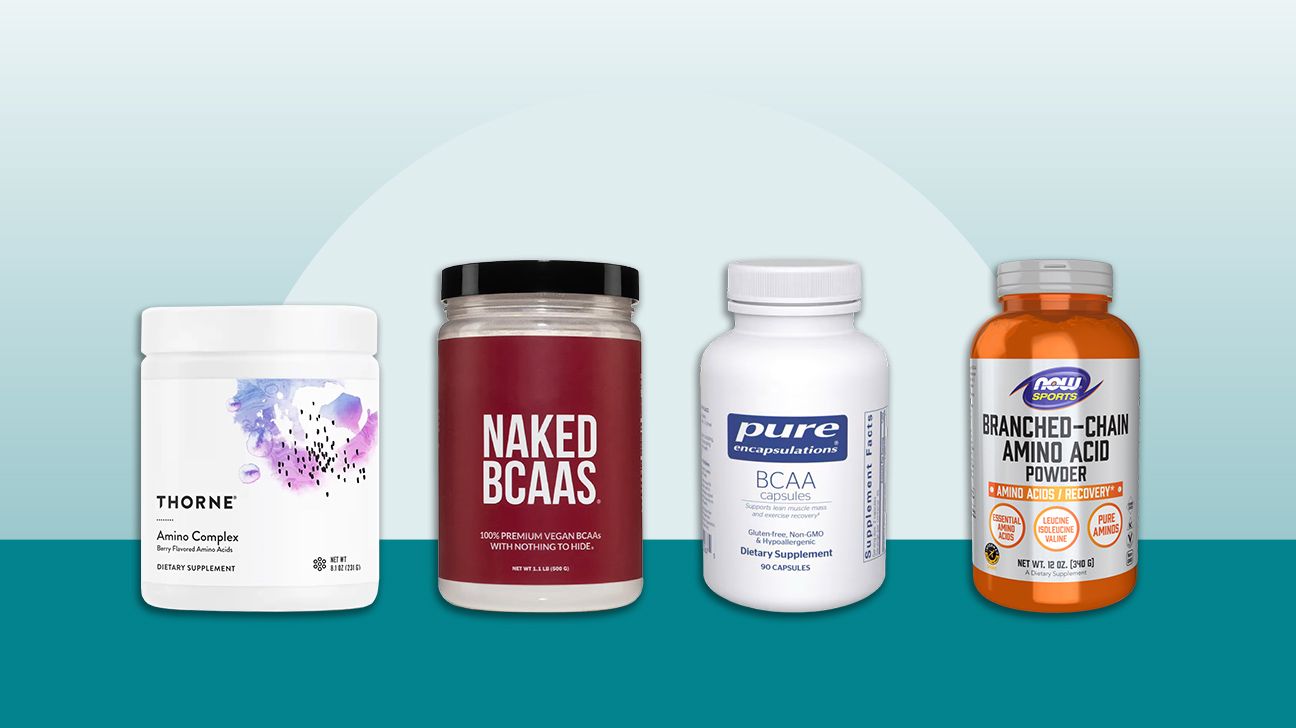
BCAA supplements are usually sold as powders or capsules. People often mix the powder with water and drink it before, during, or after workouts. These supplements are popular because they are thought to help with muscle growth, reduce fatigue, and speed up recovery.
But before you decide if they’re right for you, it’s important to understand what they actually do in your body.
How Do Bcaas Work In The Body?
BCAAs have a special role in muscle health. When you exercise, especially with weights or intense cardio, your muscles use amino acids for energy and repair. Leucine is the star player here—it signals your body to start building muscle protein.
Here’s what happens:
- During exercise, muscles break down.
- Your body uses BCAAs to help rebuild and repair muscle tissue.
- BCAAs can also be burned as energy, especially when you’re running low on carbs.
Some research suggests that taking extra BCAAs can reduce muscle soreness, help muscles grow, and even protect them from breaking down during hard workouts. However, the results are not always clear, especially for beginners.
Are Bcaas Essential For Beginners?
If you’re new to working out, you might think more supplements mean better results. But the truth is: most beginners do not need BCAA supplements. Why?
You Probably Get Enough From Food
Most people who eat a balanced diet get plenty of BCAAs without supplements. Foods high in protein—like chicken, eggs, fish, beef, dairy, and even beans—are rich in BCAAs.
For example:
- 100 grams of chicken breast: About 6 grams of BCAAs
- 1 cup of Greek yogurt: Around 2 grams of BCAAs
- 3 eggs: About 3 grams of BCAAs
If you eat enough protein each day (usually 1. 2–2. 0 grams per kilogram of body weight for active people), you are already getting all the BCAAs your muscles need.
Supplements Vs. Whole Protein
BCAA supplements only give you three amino acids. Complete protein foods give you all nine essential amino acids your body needs for muscle building and recovery. Taking just BCAAs is like eating the flour, sugar, and eggs but not baking the whole cake.
In most cases, whey protein or other protein powders are more effective and offer a better value.
Promised Benefits: What Science Says
BCAA companies often promise big results: less muscle soreness, more muscle growth, and better performance. Let’s look at each of these claims and see what research actually shows.
Muscle Growth
BCAAs, especially leucine, play a key role in starting muscle protein synthesis (the process your body uses to build muscle). However, studies show that BCAAs alone do not build more muscle than complete proteins. Your body needs all essential amino acids to create new muscle tissue.
For beginners, the main driver for muscle growth is a good training plan and enough total protein. BCAA supplements won’t give you extra gains if you already eat enough protein.
Reduced Soreness
Some research shows that BCAA supplements can reduce muscle soreness after hard workouts, especially for people not used to exercise. But the effect is usually small. In real life, most beginners feel less sore simply by sticking to a regular workout routine and allowing their bodies to adapt.
Faster Recovery
BCAAs may help reduce muscle damage and speed up recovery in some cases. But again, the benefit is minor if your diet already contains enough protein. For people training very hard or several times a day, the effect might be slightly more noticeable.
Performance Boost
There is little solid evidence that BCAAs improve strength, endurance, or overall workout performance for beginners. If you feel low on energy, it’s better to look at your overall nutrition, hydration, and sleep rather than rely on BCAA supplements.

Who Might Benefit From Bcaa Supplements?
While most beginners do not need BCAAs, there are a few situations where they might help:
- Vegans and Vegetarians: Some plant-based diets can be lower in certain amino acids, especially leucine. If you don’t eat enough high-quality protein, a BCAA supplement might help fill the gap.
- Low-Protein Diets: People who struggle to eat enough protein due to busy schedules, travel, or appetite issues may benefit from a supplement.
- Cutting Weight: If you’re dieting hard and trying to lose fat while keeping muscle, BCAAs can help reduce muscle loss, especially if your calorie and protein intake are low.
- Fast Training: If you train in the morning without eating breakfast, BCAAs may help protect your muscles from breaking down.
But for most healthy beginners who eat well, these situations don’t apply.
Comparing Bcaa Supplements To Other Options
It’s easy to get confused by all the different supplements out there. Here’s a simple comparison:
| Supplement | What It Provides | Main Benefit | Best For |
|---|---|---|---|
| BCAA Powder | Leucine, Isoleucine, Valine | Reduces muscle breakdown (slightly) | Low-protein diets, vegans |
| Whey Protein | All essential amino acids | Builds and repairs muscle | Most people, general muscle growth |
| Essential Amino Acids (EAA) | All 9 essential amino acids | Supports complete muscle protein synthesis | People missing key amino acids |
Key insight: If you already use a protein powder, you are getting plenty of BCAAs plus other important amino acids. BCAA supplements are not a must-have for most beginners.
Common Misconceptions About Bcaas
Many new gym-goers believe that more supplements mean faster results. Here are a few myths to avoid:
- BCAAs build muscle by themselves: False. Muscle growth depends on total protein intake, training, and recovery.
- You need BCAAs if you feel sore: Not always. Soreness is normal, especially for beginners. It goes away as your body adapts.
- Taking BCAAs before, during, and after every workout is necessary: No. Most people get enough from daily meals.
Some supplement companies use clever marketing to make you think BCAAs are magic. The truth is, there’s no shortcut: focus on smart training and eating well.
How To Know If You Need Bcaas
Not sure if you need a BCAA supplement? Ask yourself these questions:
- Do you eat enough protein every day?
- Are you getting protein from a variety of sources (meat, dairy, eggs, beans, nuts)?
- Are you recovering well from your workouts?
- Is your diet plant-based with few complete proteins?
If you answer “yes” to the first three, you likely do not need BCAA supplements. If your diet lacks variety or you struggle with protein intake, a supplement may help.
How To Use Bcaa Supplements Safely
If you decide to try BCAA supplements, use them wisely:
- Follow the recommended dose: Most products suggest 5–10 grams per day.
- Take at the right time: Before, during, or after workouts is common, but not required.
- Watch for added ingredients: Many BCAA powders contain artificial flavors, colors, or sweeteners. Read the label carefully.
- Stay hydrated: BCAAs can be dehydrating if you don’t drink enough water.
Tip: Always check with a doctor or dietitian if you have health conditions or take medication.
Potential Side Effects And Risks
BCAA supplements are generally safe for healthy adults at normal doses. But there are some risks:
- Digestive upset: Some people feel bloated, gassy, or get stomach cramps.
- Imbalance of amino acids: Taking lots of BCAAs without other amino acids can cause imbalance in your body over time.
- Interactions with health conditions: People with ALS, Maple Syrup Urine Disease, or certain kidney problems should avoid BCAA supplements.
- Possible impact on blood sugar: BCAAs can affect insulin and blood sugar, so people with diabetes should be careful.
If you experience side effects, stop using the supplement and consult a healthcare provider.
Cost Vs. Benefit: Are Bcaas Worth It For Beginners?
Many beginners spend a lot of money on BCAA supplements, hoping for fast results. Let’s compare the cost and value.
| Product | Average Cost (per month) | Amount of BCAAs Provided | Extra Benefits? |
|---|---|---|---|
| BCAA Powder | $20–$40 | 300–500 grams | Only 3 amino acids |
| Whey Protein | $25–$45 | 750–1000 grams protein (including BCAAs) |
All essential amino acids, vitamins, minerals |
| Chicken Breast (food) | $20–$30 | 1000+ grams protein (including BCAAs) |
Other nutrients, more filling |
Insight: For the same price, you get more complete nutrition from whole food or protein powders. For most beginners, BCAAs are not the best way to spend your money.
Practical Tips For Beginners
If you’re just starting out, focus on the basics for the best results:
- Eat enough protein: Aim for 1.2–2.0 grams per kilogram of body weight each day.
- Choose whole foods first: Chicken, fish, eggs, dairy, tofu, beans, and lentils are great sources of BCAAs and other nutrients.
- Stay consistent with training: Muscle and strength come from regular exercise, not just supplements.
- Rest and recover: Allow time for your muscles to heal and grow.
- Track your progress: Use a notebook or app to log workouts and meals. This helps you see if you need extra support.
Real-world Examples
Let’s look at two beginners:
Anna is new to weightlifting and eats a balanced diet with chicken, eggs, and Greek yogurt. She feels sore after the first few workouts, but after two weeks, her body adapts. Anna sees good results without any supplements.
Mark trains early in the morning and skips breakfast. He is also trying a vegan diet but struggles to eat enough protein. Mark finds that adding a BCAA supplement helps him feel less tired and protects his muscles.
These examples show that BCAAs may help in special cases, but most beginners get all they need from food.
What Beginners Often Miss
1. The Power Of Food Timing
Many beginners focus on supplements but ignore meal timing. Eating a protein-rich meal 1–2 hours before or after your workout is usually enough for muscle recovery. You don’t need to rush to buy BCAAs for this purpose.
2. The Importance Of Consistency
Supplements can’t replace the results of regular, consistent training and eating habits. Missing workouts or not eating enough protein cannot be fixed by adding BCAAs.
How To Choose A Quality Bcaa Supplement
If you decide to buy a BCAA supplement, look for:
- Third-party tested products: These are checked for purity and quality by independent labs.
- Simple ingredient list: Avoid products with too many artificial colors, sweeteners, or fillers.
- Right ratio: The classic ratio is 2:1:1 (leucine:isoleucine:valine). This matches what is found naturally in food.
- Good brand reputation: Choose brands with positive reviews and clear labeling.
Bonus tip: Ask your gym trainer or a registered dietitian for recommendations.
Scientific Research And Expert Opinions
Most sports nutrition experts agree: for people who eat enough protein, BCAA supplements are not necessary. The International Society of Sports Nutrition (ISSN) states that BCAAs may help athletes with restricted diets but are not essential for everyone.
A 2017 review in the Journal of the International Society of Sports Nutrition found that BCAA supplementation had little benefit for muscle growth compared to complete protein intake.
You can read more about BCAAs and their effects from the Wikipedia entry on BCAAs.
Frequently Asked Questions
What Are Bcaas And Why Are They Important?
BCAAs, or Branched-Chain Amino Acids, are three essential amino acids: leucine, isoleucine, and valine. They are important because your body cannot make them—you must get them from food. BCAAs help with muscle repair, growth, and energy during exercise.
Can Bcaa Supplements Help With Weight Loss?
BCAA supplements do not directly cause weight loss. They may help protect muscle during dieting, which can keep your metabolism higher. But for weight loss, the key is eating fewer calories than you burn and staying active. BCAAs are not a magic solution for fat loss.
Are There Any Side Effects Of Taking Bcaa Supplements?
Most people can use BCAA supplements safely at normal doses. Some may experience stomach upset, bloating, or mild headaches. People with certain health conditions, like kidney problems, should avoid BCAAs. Always follow the recommended dose and check with your doctor if you have health concerns.
:max_bytes(150000):strip_icc()/vwt-product-optimum-nutrition-gold-standard-100_-whey-protein-powder-jjuliao-8358-f3d8d4891fa94e8da6ca630b2847f386.jpeg)
Should I Take Bcaas Before Or After A Workout?
You can take BCAAs before, during, or after a workout. There is no strong evidence that one time is better than another. If you already eat a protein-rich meal before or after your workout, you may not need a BCAA supplement at all.
Do I Need Bcaa Supplements If I Already Use Protein Powder?
If you use a high-quality protein powder (like whey or plant-based protein), you are already getting plenty of BCAAs. There is no need to add a separate BCAA supplement unless your protein intake is low or you have special dietary needs.
Final Thoughts
For most beginners, BCAA supplements are not necessary. A balanced diet with enough protein-rich foods gives your muscles all the BCAAs they need. Supplements may help in special cases—like strict vegan diets or very low protein intake—but they are not a shortcut to faster results. Focus on training, recovery, and nutrition first. Save your money, and remember: the basics work best, especially when you’re just starting out.

