
Many people are curious about how modern technology can help them understand their bodies better. One device that’s become very popular for this is the sleep tracker. These small gadgets promise to give you details about your sleep patterns, heart rate, and sometimes even your body temperature. But can sleep trackers really track body temperature accurately? Let’s explore what these devices can do, how they measure temperature, and whether you can trust the results.
What Are Sleep Trackers?
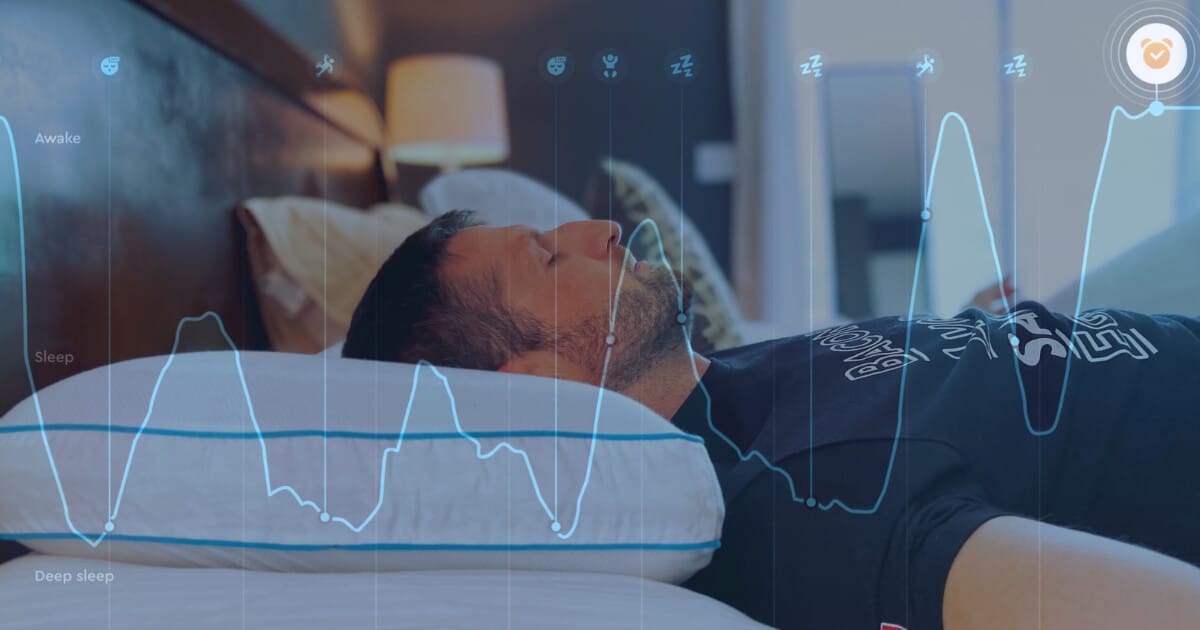
Sleep trackers are wearable or bedside devices designed to monitor your sleep patterns. Most people use them to see how long they sleep, how deep their sleep is, and how often they wake up at night. Some are worn on the wrist, like smartwatches or fitness bands, while others are placed under the mattress or next to the bed.
Modern sleep trackers use a combination of sensors. They often track movements (using accelerometers), heart rate, and sometimes breathing. The newest models include more advanced sensors, such as skin temperature and blood oxygen monitors. This extra data helps give a more complete picture of your sleep and overall health.
Why Track Body Temperature?
Your body temperature changes throughout the day. At night, your core temperature drops, which helps you fall asleep. It rises again towards morning as your body prepares to wake up. Measuring these changes can give important clues about your sleep quality, circadian rhythm, and even health problems like fever or hormonal changes.
For example:
- A sudden rise in temperature may signal illness or infection.
- Small shifts can suggest hormonal changes, such as ovulation in women.
- Temperature drops are linked to deeper sleep cycles.
So, tracking temperature can be helpful for people who want to understand their sleep health in more detail.
How Do Sleep Trackers Measure Body Temperature?
Not all sleep trackers can track body temperature. Among those that do, the technology and accuracy can vary.
Skin Temperature Sensors
Some wearables, such as the Oura Ring and some Fitbit models, use sensors on the device that touch your skin. These sensors measure the temperature of the surface of your skin, usually on your finger or wrist.
- How it works: A small metal sensor detects heat on your skin.
- Limitation: Skin temperature is affected by room temperature, covers, or sweat. It’s not the same as your inner (core) body temperature.
Core Body Temperature Estimates
A few advanced trackers try to estimate your core body temperature using algorithms. They combine skin temperature data with other signals, like heart rate and movement, to guess your actual core temperature.
- Example: The Oura Ring estimates nightly core temperature changes by tracking trends over time.
- Limitation: These are estimates, not direct measurements. They can be helpful for trends but may not detect a fever accurately.
Bedside And Mattress Sensors
Some systems, like the Withings Sleep Analyzer, sit under your mattress. They measure changes in your body and the environment, including temperature, but often this is room temperature, not your body temperature.
Comparison Of Sleep Tracker Temperature Methods
Here is a comparison of the main methods used by popular sleep trackers:
| Device Type | How Temperature is Measured | Accuracy Level |
|---|---|---|
| Wearable (Oura Ring, Fitbit) | Skin temperature sensors | Good for trends, not for exact core body temperature |
| Bedside/Mattress (Withings, Eight Sleep) | Ambient/room temperature sensors | Not measuring body temperature directly |
| Smartwatches (Apple Watch, Garmin) | Some track skin temperature, most do not | Limited or no temperature data |
Popular Sleep Trackers With Temperature Tracking
Not all devices offer temperature tracking. Here are a few that do, with details about their features:
- Oura Ring: Known for its detailed sleep analysis, the Oura Ring tracks skin temperature and estimates core body temperature changes. Users can see trends over weeks and months. The ring is comfortable and designed for 24/7 wear.
- Fitbit Sense and Fitbit Charge 5: These models measure skin temperature variation during sleep. The Fitbit app shows how your nightly temperature compares to your personal baseline.
- Whoop Strap: Whoop includes a sensor for skin temperature but, as of now, does not show raw temperature data to users. Instead, it uses the data in its recovery and strain calculations.
- Amazfit and Zepp Devices: Some models, such as the Amazfit GTS 2e, offer skin temperature tracking during sleep.
- Bedside Devices (Eight Sleep, Withings): These products often measure room temperature and sometimes estimate your bed temperature, but not your body temperature directly.

What Sleep Tracker Temperature Data Can And Cannot Tell You
Understanding what your sleep tracker’s temperature data means is key to using it well.
What It Can Tell You
- Trends and Patterns: If your skin temperature goes up or down compared to your normal, it may show changes in your health or sleep.
- Fever Detection: Some users have noticed a jump in their temperature data when they get sick, but it’s not as accurate as a medical thermometer.
- Menstrual and Ovulation Tracking: For women, small increases in body temperature can signal ovulation. Some trackers, like Oura, can help spot these changes.
What It Cannot Do
- Diagnose Illness: Sleep trackers are not medical devices. They can miss fevers or show false alarms due to changes in room temperature or how you wear them.
- Give Exact Core Temperature: No consumer sleep tracker measures your core temperature like a rectal or oral thermometer does.
How Accurate Are Sleep Trackers For Temperature?
Accuracy depends on the device and how you use it. Here are some things to keep in mind:
- Device placement matters: Rings and wristbands measure temperature at the skin, which can vary by body part. Fingers are usually more stable than the wrist.
- Room temperature affects readings: If your room is cold or you stick your hand out of the covers, your skin temperature may drop, but your core temperature might not change.
- Personal baseline: Most trackers compare your nightly temperature to your usual average. Sudden changes matter more than the actual number.
Data Table: Accuracy Comparison
Below is a summary comparing temperature accuracy across different types of devices:
| Device | Sensor Location | Measures Core Temperature? | Best For |
|---|---|---|---|
| Oura Ring | Finger | Estimates only | Long-term trend tracking |
| Fitbit Sense | Wrist | No | Spotting temperature changes |
| Eight Sleep | Mattress | No | Room and bed temperature |
Real-world Uses Of Temperature Data From Sleep Trackers
People use temperature data for more than just curiosity. Here are practical examples:
- Catching Illness Early: Some users have spotted a fever before they feel sick, which helped them rest or seek care sooner.
- Tracking Menstrual Cycle: For women, tracking small temperature rises can help predict periods or ovulation.
- Optimizing Sleep Environment: If your skin temperature is often high, you might need to cool your room or use lighter bedding.
- Travel and Jet Lag: Changes in temperature patterns can signal jet lag or travel stress.
Common Mistakes When Using Sleep Trackers For Temperature
Many people make errors when trying to use temperature data from their sleep trackers. Here are the most common:
- Comparing to Medical Thermometers: Don’t expect the same accuracy. Trackers are for trends, not diagnosis.
- Ignoring Environment: If your room is hot or cold, your skin temperature may change, even if your health doesn’t.
- Moving Device Location: Wearing your tracker on a different finger or wrist can change the readings.
- Expecting Medical Advice: Trackers cannot replace a visit to your doctor. If you feel unwell, use a real thermometer and talk to a professional.
How To Get The Most From Your Sleep Tracker’s Temperature Feature
If your device tracks temperature, here’s how to use it wisely:
- Wear it consistently: Try to wear it the same way every night.
- Note changes in your life: Log when you travel, get sick, or change your routine. This can explain changes in your data.
- Look for patterns, not numbers: One high or low reading is less important than a trend over days or weeks.
- Use it alongside other data: Combine temperature with sleep quality, heart rate, and how you feel.
Should You Rely On Sleep Tracker Temperature Data?
These devices are not medical tools. They’re best for spotting trends and learning about your sleep habits. If you want to know if you have a fever or a health problem, use a medical thermometer. However, sleep trackers can give useful clues and help you see how your body responds to travel, stress, or illness.

Future Of Body Temperature Tracking In Sleep Devices
As technology improves, more sleep trackers are adding better sensors. Some experts believe future devices may estimate core temperature more accurately. There is ongoing research into wearable sensors that use infrared or other advanced methods. For now, most sleep trackers are best for noticing changes and trends, not for medical decisions.
If you’re interested in the science of temperature tracking in wearables, the Wikipedia page on wearable technology gives a good overview.
Frequently Asked Questions
Can Sleep Trackers Detect A Fever?
Most sleep trackers can spot a change in your skin temperature, which sometimes happens with a fever. However, they are not as accurate as medical thermometers. If you feel sick, always check your temperature with a proper device.
Which Sleep Trackers Are Best For Temperature Tracking?
Devices like the Oura Ring and Fitbit Sense are known for reliable temperature tracking. They give trend data, which is useful for spotting changes in your health or sleep.
Is Skin Temperature The Same As Body Temperature?
No, skin temperature can change due to room temperature, bedding, or where you wear the device. Core body temperature is measured inside your body and is more stable. Most sleep trackers measure skin, not core temperature.
Can Sleep Tracker Temperature Data Help With Women’s Health?
Yes, some women use trackers to watch for small temperature rises linked to ovulation or menstrual cycles. The data can help, but it’s best to use it alongside other signs and not as the only method.
How Can I Improve The Accuracy Of My Sleep Tracker’s Temperature Readings?
Wear your device in the same spot every night. Keep your room at a steady temperature. Don’t compare the readings to a medical thermometer, but look for trends over time instead.
Sleep trackers are helpful tools for understanding your body, but their temperature data is just one part of the picture. Use them wisely, watch for patterns, and always check with a doctor if you have health concerns.

