
What Is The Difference Between Crossfit And Regular Gym Training?
If you’ve ever wondered whether you should try CrossFit or stick with a regular gym routine, you’re not alone. Both options promise better health and fitness, but they take very different paths to get there. Choosing the right type depends on your goals, preferences, and even your personality. But what really separates CrossFit from regular gym training? And how does each approach affect your body, motivation, and results?
Let’s break down the main differences, so you can make a confident decision about your fitness journey.
Understanding The Basics
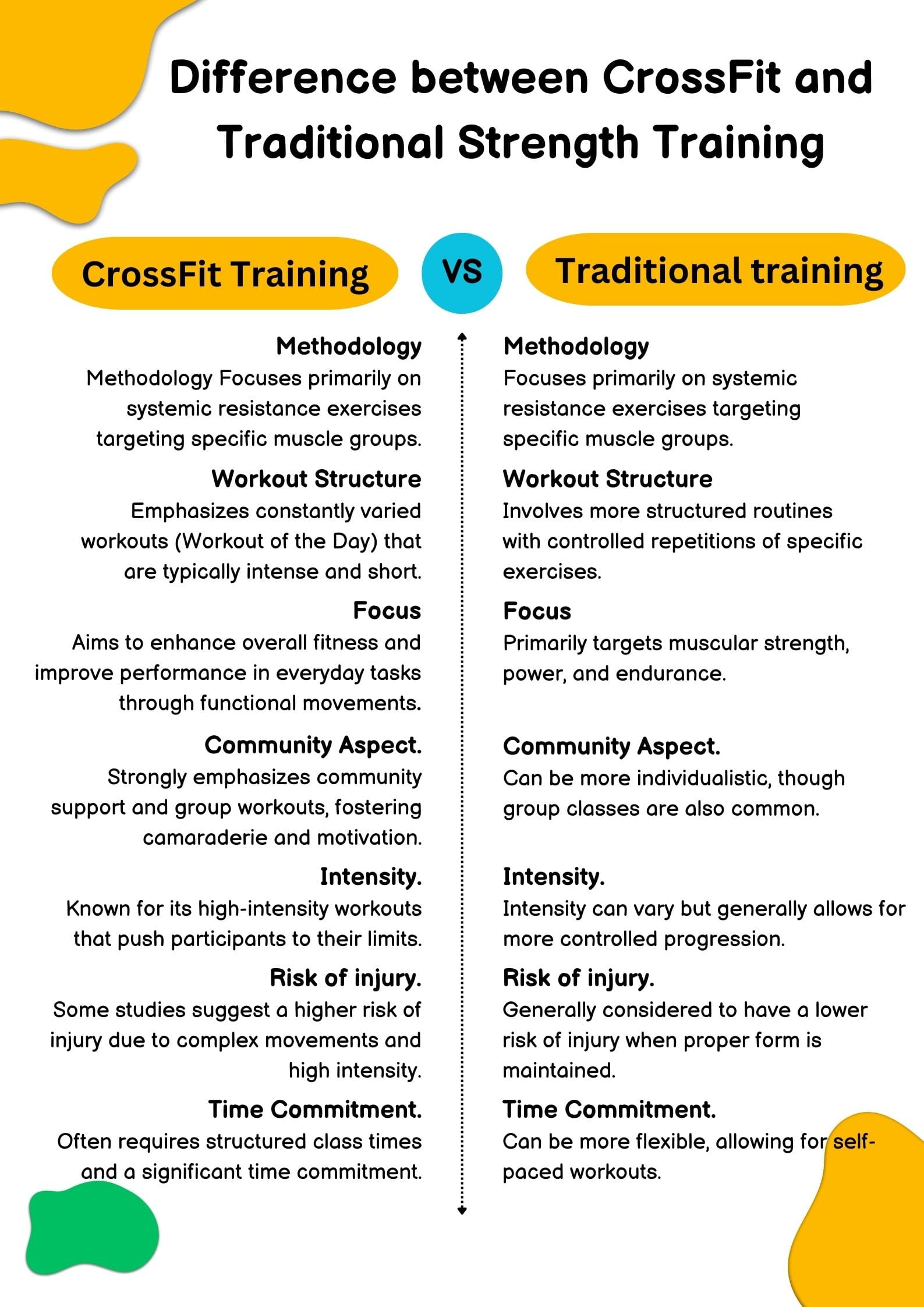
At first glance, both CrossFit and regular gym training look similar—they involve lifting weights, cardio, and bodyweight exercises. But when you look closer, you’ll find that their structure, philosophy, and community are quite different.
What Is Crossfit?
CrossFit is a high-intensity fitness program that combines elements from weightlifting, cardio, and gymnastics. Workouts are usually short but extremely intense, and they change every day. You’ll see terms like WOD (Workout of the Day), AMRAP (As Many Rounds As Possible), and EMOM (Every Minute On the Minute) in CrossFit.
CrossFit was founded in 2000 by Greg Glassman. Its main idea is to prepare you for “any physical challenge.” You’ll work in small groups, with a coach guiding each session. The program uses functional movements like squats, deadlifts, box jumps, and kettlebell swings.
What Is Regular Gym Training?
A regular gym, or “globo-gym,” is a place where you’ll find a wide range of equipment: treadmills, ellipticals, free weights, machines, and more. People usually train on their own, following a set routine focused on bodybuilding, strength, or general fitness.
You can choose to work with a personal trainer, join group classes, or exercise solo. The structure is flexible—you decide the exercises, number of sets, and intensity.
Workout Structure And Variety
The way each approach structures workouts is one of the biggest differences.
Crossfit Workouts
- Highly varied: No two days are the same.
- Short but intense: Most WODs last 10–30 minutes.
- Community-driven: Everyone does the same workout together.
- Coach-led: Coaches demonstrate, correct, and motivate.
Example CrossFit WOD:
- 5 rounds for time:
- 10 pull-ups
- 15 deadlifts (60 kg)
- 20 box jumps
Regular Gym Training
- Predictable routines: You often repeat the same exercises weekly.
- Flexible pace: You decide rest times and workout duration.
- Solo or independent: Most people train alone.
- Self-guided: You plan and track your progress.
Example Gym Routine:
- Bench press: 4 sets of 8 reps
- Lat pull-down: 3 sets of 12 reps
- Leg press: 4 sets of 10 reps
- 20 minutes on the treadmill
Goals And Outcomes
Your goals will influence which style is better for you.
Crossfit Goals
- Overall fitness: Improves strength, endurance, speed, power, and agility.
- Functional movement: Prepares you for real-world activities.
- Performance focus: Competing against the clock or others.
Regular Gym Goals
- Muscle building: Bodybuilding, toning, or strength.
- Weight loss or maintenance: Cardio and controlled calorie burn.
- Rehabilitation or low-intensity: Gentle routines possible.
Non-obvious insight: Many beginners believe CrossFit will make them “bulky,” but most classes mix strength and cardio, resulting in a lean, athletic look.
Community And Motivation
How you feel about your workout matters. The social side can make a big difference in sticking to your plan.
Crossfit Community
- Strong group spirit: Members encourage each other.
- Shared struggle: Everyone does the same WOD.
- Friendly competition: You track your scores on a whiteboard.
People often say the CrossFit gym feels like a second family. This environment can push you to new levels.
Regular Gym Atmosphere
- Individual focus: You train at your own pace.
- Less interaction: Most people wear headphones and do their own thing.
- Self-motivation: Progress depends on your discipline.
While some gyms offer group classes, the overall vibe is more private.
Non-obvious insight: CrossFit’s social accountability helps many people stay consistent, while some feel pressure to keep up, which can be stressful.
Coaching And Guidance
The amount of support you get can affect your results and safety.
Crossfit Coaching
- Certified coaches: Every class is led by a trained instructor.
- Constant feedback: Coaches correct form and technique.
- Scalable workouts: Exercises are adjusted for your level.
Regular Gym Support
- Personal trainers: Available for extra cost.
- Minimal supervision: Staff may help, but usually only if asked.
- Self-coaching: You are responsible for your own plan.
If you’re new to exercise, CrossFit’s hands-on coaching can help you learn proper form and avoid injury. In a regular gym, you need to seek out help or educate yourself.
Equipment Differences
Each approach uses different types of equipment.
| CrossFit | Regular Gym |
|---|---|
| Olympic bars, bumper plates | Standard bars, fixed-weight machines |
| Kettlebells, medicine balls | Dumbbells, cable machines |
| Plyometric boxes, ropes, rings | Treadmills, ellipticals, rowers |
CrossFit gyms (“boxes”) focus on functional, multi-use gear, while regular gyms offer a wider range of machines for targeted muscle work.
Intensity And Injury Risk
How hard you push—and how safe you are—can differ a lot.
Crossfit Intensity
- High intensity: Short rest, fast pace.
- All-out effort: Push to the limit.
- Risk of overuse: Rapid, repeated movements.
Regular Gym Intensity
- Controlled pace: You choose rest and effort.
- Can be low or high: Depends on your plan.
- Lower risk with machines: Fixed movements guide your body.
Data point: Studies show CrossFit has a higher injury rate (about 2.3 injuries per 1,000 hours) than traditional weight training (0.5–1.0 per 1,000 hours). Most injuries are mild, like strains or tendonitis.
Practical tip: Beginners should focus on form, not speed, in both settings to reduce injury risk.
Cost And Accessibility
Your budget and location may influence your choice.
| Aspect | CrossFit | Regular Gym |
|---|---|---|
| Average monthly cost | $120–$200 | $20–$80 |
| Locations | Fewer, often in cities | Widespread, almost everywhere |
| Trial options | First class often free | Day passes, free weeks common |
CrossFit costs more due to coaching and small group sizes. Regular gyms are cheaper and more common, especially in small towns.

Progress Tracking
How you measure results can motivate you to keep going.
Crossfit Tracking
- Scoreboards: Whiteboards or apps log your WOD results.
- Benchmarks: Repeat classic WODs to test progress.
- Leaderboards: Compare with others.
Regular Gym Tracking
- Personal logs: Notebooks, apps, or memory.
- Standardized lifts: Track weights, reps, and sets.
- Less comparison: Focus on your own growth.
Insight: CrossFit’s system makes progress visible and rewarding. In the gym, tracking is up to you, which can make it easier to lose focus.
Adaptability And Scalability
Are workouts easy to adjust for age, injuries, or fitness level?
Crossfit Adaptability
- Scalable by coach: Movements are changed for safety.
- Not always beginner-friendly: Fast pace can intimidate new members.
- Can be intense for older adults: But many “masters” classes exist.
Regular Gym Adaptability
- Fully customizable: You choose every exercise.
- Easier to go slow: Great for rehab or low-impact needs.
- Accessible for all ages: Machines help beginners.

Time Commitment
How Much Time Do You Need To Get Results?
Crossfit
- Efficient: 45–60 minutes, including warm-up and cool-down.
- Fixed schedule: Classes start at set times.
Regular Gym
- Flexible: Come and go as you wish.
- Varied duration: Sessions can be 30–90 minutes.
If you have a busy schedule, CrossFit’s structure can keep you accountable. If you need flexibility, a regular gym wins.
Body Transformation
What Kind Of Body Changes Can You Expect?
- CrossFit: Lean, athletic muscles, improved cardio, and explosive power.
- Regular Gym: More control over muscle size, tone, or specific body parts.
Women worried about “getting bulky” should know that muscle gain is slow and requires specific training—CrossFit usually creates a fit, toned look.
Mindset And Culture
The “feel” of each environment is unique.
- CrossFit is intense, competitive, and loud. Music pumps, people cheer, and every session feels like a team event.
- Regular gyms are quieter and more relaxed. Some people love the “lone wolf” style, others miss the energy.
Which Should You Choose?
Ask yourself these questions:
- Do you want a supportive community or solo training?
- Do you like structure and coaching, or do you prefer to design your own plan?
- Is your goal overall fitness, or do you want to focus on muscle building or weight loss?
- What’s your budget and schedule?
If you love variety, group energy, and pushing yourself, CrossFit may be for you. If you need flexibility or want to focus on bodybuilding, a regular gym might fit better.
For an in-depth look at CrossFit’s history and philosophy, check out this article from the Wikipedia.
Frequently Asked Questions
Is Crossfit Better Than Regular Gym Training For Weight Loss?
Both can help you lose weight if you combine them with a healthy diet. CrossFit burns more calories per session due to its intensity, but regular gym routines let you control pace and focus on fat-burning cardio. The best option is the one you’ll stick with consistently.
Can Beginners Start With Crossfit?
Yes, but it’s important to find a CrossFit box with experienced coaches who can scale workouts. Start slowly, learn the movements, and don’t feel pressured to keep up with advanced members.
Which Is Safer: Crossfit Or Regular Gym?
Regular gym training is generally safer, especially when using machines and going at your own pace. CrossFit has a higher risk of overuse injuries if you push too hard or use poor form, but good coaching reduces this risk.
Will Crossfit Make Me Bulky?
Not usually. CrossFit creates a lean, athletic body. Bulky muscle growth requires specific bodybuilding routines, a calorie surplus, and heavy lifting—more common in regular gyms.
How Often Should I Do Crossfit Or Gym Workouts?
For beginners, 3–4 times a week is enough for both styles. Listen to your body and allow rest days, especially with intense CrossFit classes.
No matter what you choose, the key is to find a program you enjoy and can maintain long-term. Both CrossFit and regular gym training can transform your body and mind—if you stay consistent and safe.

