
CrossFit is well-known for its intense workouts and community-driven atmosphere. But if you’ve ever watched a workout in action, you might notice that not everyone is doing the exact same thing. Some lift heavier weights, some do push-ups on their knees, and others use bands for pull-ups. This is where scaling comes in—a powerful idea that makes CrossFit accessible for everyone, regardless of skill or fitness level. If you’re new to CrossFit or curious about how workouts can fit your needs, understanding scaling is your key to safe and effective progress.
What Does Scaling Mean In Crossfit?
Scaling in CrossFit means adjusting a workout to match your current fitness level, abilities, or even how you feel on a particular day. The main goal is to keep the workout’s intention and intensity, but make the movements, weights, or reps suitable for you.
For example, if a workout calls for 95-pound overhead presses, but you are new or recovering from an injury, you might use a lighter weight or even substitute a similar movement. Scaling is not about making things easier—it’s about making the workout challenging and safe for you.
The CrossFit philosophy encourages everyone to work at their own level. The idea is simple: “The needs of Olympic athletes and grandparents differ by degree, not kind.” This is why you’ll see people of all ages and abilities training side by side, each doing their own version of the same workout.
Why Scaling Is Essential
Scaling is not just for beginners. Even experienced athletes scale workouts sometimes. Here’s why scaling matters:
- Reduces injury risk: Trying to lift too much or perform advanced movements can cause injuries. Scaling keeps you safe.
- Promotes progress: You build strength and skill step by step. Scaling helps you master basics before moving to harder challenges.
- Keeps workouts fun: Feeling overwhelmed or always failing reps is frustrating. Proper scaling keeps workouts motivating.
- Supports recovery: If you’re tired, sore, or coming back from injury, scaling helps you stay active without overdoing it.
- Encourages consistency: When workouts feel possible, you’re more likely to show up regularly.
Types Of Scaling In Crossfit
There are several ways to scale a CrossFit workout. Sometimes, you’ll use more than one at a time.
1. Scaling Load (weight)
Not everyone can—or should—lift the same amount. Scaling the load means using lighter (or sometimes heavier) weights depending on your ability.
Example:
The workout says 135-pound deadlifts. You use 65 pounds to focus on form.
2. Scaling Repetitions Or Rounds
If a workout has a high volume, you can do fewer reps or rounds.
Example:
The workout is “5 rounds for time. ” You do 3 rounds to finish with good technique.
3. Scaling Movement Complexity
Some exercises, like muscle-ups or handstand push-ups, are advanced. Scaling can mean substituting a simpler movement.
Example:
Instead of muscle-ups, you do pull-ups or ring rows.
4. Scaling Range Of Motion
You might limit how far you move in certain exercises if you lack flexibility or mobility.
Example:
Doing a box squat instead of a full-depth squat if your hips are tight.
5. Scaling Speed Or Intensity
Sometimes, it’s best to go slower or take more rest, especially when learning new skills.
Example:
Taking rest after every set of burpees instead of pushing non-stop.
6. Scaling Equipment
If you don’t have all the gear, you can use alternatives.
Example:
No barbell? Use dumbbells or a backpack filled with books.
How To Scale A Crossfit Workout: Practical Steps
Scaling isn’t guesswork. Here’s how to approach it:
1. Understand The Workout’s Goal
Every CrossFit workout has a purpose—strength, speed, endurance, or skill. If the workout is meant to be a sprint, don’t turn it into a marathon by using too much weight or doing too many reps.
2. Assess Your Abilities
Be honest about your current fitness. Can you do the movement safely? Do you know the proper form? If not, choose a version that you can perform well.
3. Choose Scaling Options
Pick the type of scaling (load, reps, movement) that matches your needs. It’s okay to combine methods.
4. Test And Adjust
Do a short test round. If it feels too hard or too easy, adjust. It’s better to start light and add difficulty next time.
5. Listen To Your Body
If you feel pain (not normal muscle burn), stop and change the movement. Scaling is about smart training, not ego.
Common Scaling Examples
Seeing real-life examples helps make scaling clear. Here are a few:
Example 1: Pull-ups
Many CrossFit workouts include pull-ups, but not everyone can do them unassisted. Here’s how you can scale:
- Use an assisted band: Loop a resistance band over the bar and put your foot in it.
- Do jumping pull-ups: Jump up to get your chin over the bar, then control the way down.
- Try ring rows: Set gymnastic rings at chest height and pull your chest to the rings.
Example 2: Box Jumps
Box jumps can be scary, especially if you’re new or have knee issues.
- Step-ups: Step onto the box one foot at a time.
- Use a lower box: Start with a small height and increase as you gain confidence.
- Tuck jumps: Jump in place, bringing knees to chest.
Example 3: Push-ups
Not everyone can do push-ups on their toes.
- Knee push-ups: Keep knees on the floor to reduce the load.
- Incline push-ups: Place your hands on a box or bench.
Example 4: Double-unders
Jump rope skills like double-unders are tricky.
- Single-unders: Do regular jumps instead.
- Penguin claps: Without a rope, jump and slap your sides twice per jump.
Example 5: Olympic Lifts
Movements like the snatch or clean and jerk require skill and strength.
- Use a PVC pipe or empty barbell to practice form.
- Substitute with kettlebell swings or dumbbell snatches.
Benefits Of Scaling Workouts
Scaling offers more than just safety. Here’s what you gain:
- Progress at your own pace: You see improvement without pressure.
- Learn correct technique: You master movements before adding weight or speed.
- Avoid burnout: Workouts stay challenging but doable.
- Stay motivated: You finish workouts successfully, which builds confidence.
- Inclusive atmosphere: Everyone can participate, regardless of age or background.

Common Mistakes When Scaling
Beginners often make the following errors:
- Doing too much too soon: Trying to keep up with advanced members leads to injury.
- Not scaling enough: Pride can stop people from making smart adjustments.
- Choosing the wrong movement: Scaling to a movement you don’t understand can slow your progress.
- Ignoring technique: Rushing to finish often means sacrificing form.
- Not asking for help: Coaches can help you scale correctly, but you need to ask.
How Coaches Help With Scaling
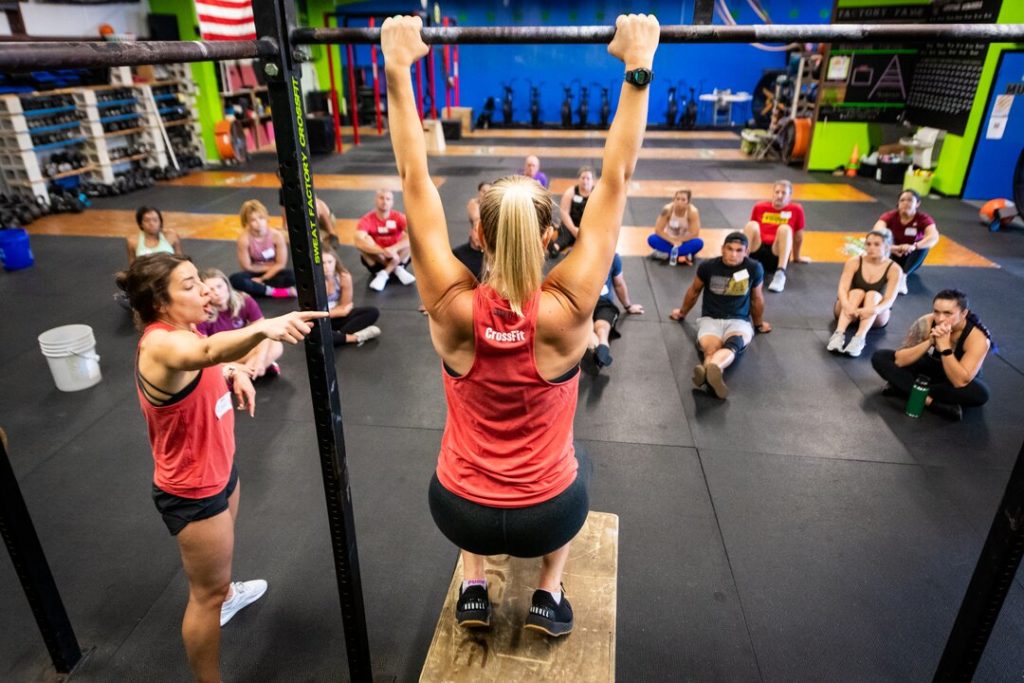
A good CrossFit coach is your best friend when it comes to scaling. They watch your movements, ask about your background, and suggest options that fit you. Coaches often explain the workout’s goal and offer several ways to adjust. If you’re unsure, don’t hesitate to ask—they are there to make your training effective and safe.
Scaling Vs. Modifying: What’s The Difference?
People sometimes use these words interchangeably, but in CrossFit, they have subtle differences.
- Scaling means adjusting the workout to match your current level, aiming to reach the intended training effect.
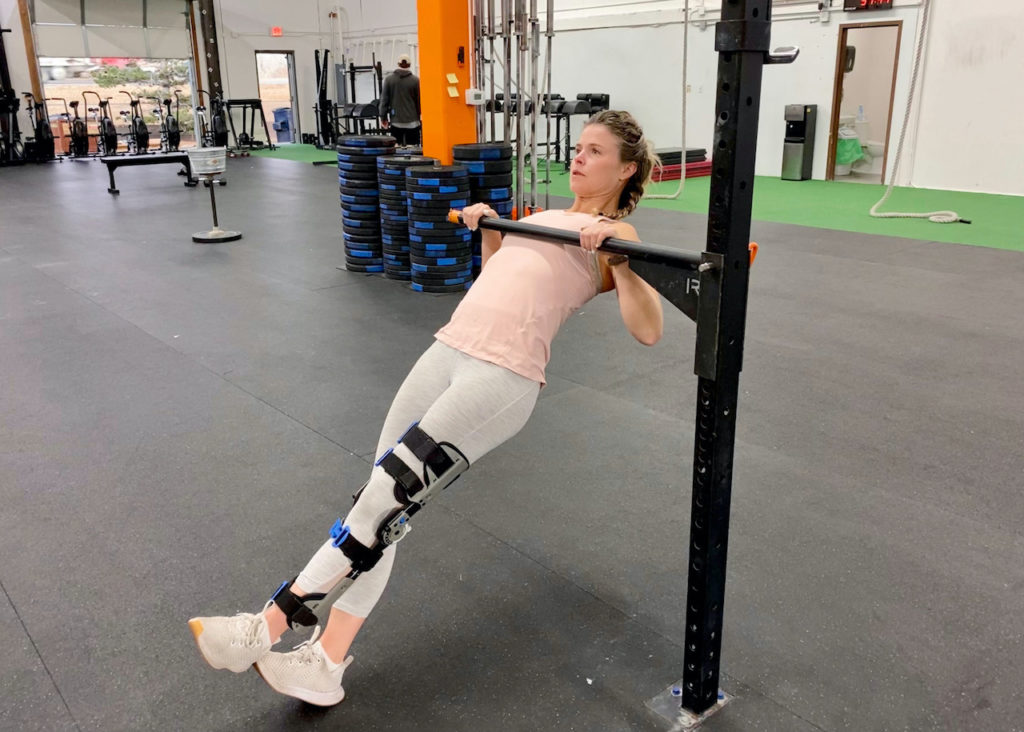
- Modifying usually means changing a movement due to injury, pregnancy, or a medical reason.
Scaling is about ability; modifying is about necessity. Both help you train smarter.
How Scaling Works In A Group Class
In a typical CrossFit class, the coach explains the workout and its “stimulus” (the intended effect). Then, the group discusses scaling options. You might see three versions on the whiteboard:
- Rx (as prescribed): The full workout, usually for advanced athletes.
- Scaled: An easier version, with lighter weights or simpler movements.
- Further modifications: For those with specific needs.
Here’s a sample comparison:
| Movement | Rx Version | Scaled Version |
|---|---|---|
| Pull-Ups | Strict Pull-Ups | Assisted or Ring Rows |
| Push-Ups | Toes | Knees or Incline |
| Box Jumps | 24″ Box | Step-Ups or Lower Box |
Scaling For Special Populations
Certain groups need special scaling considerations:
Beginners
Focus on simple movements, lighter weights, and more coaching on technique.
Older Adults
Prioritize safety and joint health. Lighter loads and more rest are common.
Pregnant Athletes
Modify movements that stress the core or cause discomfort.
Injured Athletes
Substitute or skip any movement that causes pain. For example, row instead of run if you have a knee injury.
Tracking Progress With Scaling
You might worry that scaling means you’re not improving. In fact, scaling helps you track real progress. Keep a workout journal. Write down:
- The workout and your scaled version
- How you felt (easy, hard, just right)
- Any new skills learned
Over time, you’ll notice you need less scaling. Maybe you move from ring rows to banded pull-ups, or from knee push-ups to toes. Celebrate these milestones—they’re proof of your growth.
Data: How Many Scale In Crossfit?
Scaling is extremely common. In most CrossFit gyms, over 70% of members scale some or all parts of the workout. Even competitive athletes scale when learning new skills.
Here’s a simple data snapshot:
| Group | % Who Scale Regularly |
|---|---|
| Beginners | 90% |
| Intermediate | 60% |
| Advanced | 30% |
This shows that scaling is not a sign of weakness—it’s normal and smart.
Scaling Vs. “rx”: Which Is Better?
Many people wonder if they should always try to do “Rx” (the prescribed workout). The truth is, Rx is not a badge of honor if it means poor form or injury. The best version is the one that challenges you safely and helps you improve.
Here’s a quick comparison:
| Factor | Rx | Scaled |
|---|---|---|
| Challenge Level | High | Appropriate |
| Injury Risk | Higher if unprepared | Lower |
| Fun & Motivation | Can be frustrating | Boosts confidence |
Non-obvious Insights About Scaling
Many people believe scaling is just for beginners, but even elite athletes scale to work on weaknesses or recover from tough competitions. Another insight: scaling is not fixed. You might scale one movement but do another “Rx” in the same workout. Smart scaling is dynamic and adapts to your daily needs.
Also, don’t be afraid to scale up. If the workout feels too easy, add weight or complexity. Scaling isn’t always about making things easier—it’s about making them right for you.
Final Thoughts
Scaling is the heart of making CrossFit work for everyone. It’s not about lowering the bar—it’s about hitting the right target for you, every single day. With smart scaling, you’ll stay safe, motivated, and on the path to real, lasting progress.
Remember, your fitness journey is unique. Scaling helps you own it.
For more on CrossFit training principles, you can visit the official CrossFit Wikipedia page.
Frequently Asked Questions
What Does “rx” Mean In Crossfit?
“Rx” stands for “as prescribed. ” It means you do the workout exactly as written—same weights, reps, and movements.
Can I Still Get Fit If I Always Scale Workouts?
Absolutely. Scaling lets you train at your level and progress safely. Consistent effort is more important than doing “Rx. ”
How Do I Know If I Scaled A Workout Correctly?
If you finish in a similar time as others, keep good form, and feel challenged but not destroyed, you likely scaled well.
Will I Ever Stop Scaling Workouts?
As you get stronger and more skilled, you’ll scale less. But everyone, even advanced athletes, scales sometimes for safety or skill work.
Is Scaling Only For Beginners Or People With Injuries?
No. Scaling is for anyone who wants to train smart, avoid injury, and progress at their own pace. It’s a normal part of CrossFit for all levels.

