Have you ever wondered if you can jump on a kids trampoline without worrying about safety? Maybe you have a small trampoline at home and are curious if it’s okay for you to use it.
Before you take that leap, it’s important to know what’s safe and what’s not. This article will help you understand whether adults can use kids trampolines and what you should keep in mind to protect yourself and your loved ones.
Keep reading to find out the truth and make the best choice for your fun and safety.
Trampoline Size And Weight Limits
Trampoline size and weight limits matter a lot for safety and fun. Kids trampolines are smaller and built for lighter weights. Adults need to check these limits before jumping. Using a trampoline beyond its size or weight capacity can cause damage or injury. Understanding these limits helps avoid risks and keeps the trampoline safe for everyone.
Manufacturer Guidelines
Manufacturers set size and weight rules for each trampoline. These guidelines show the maximum weight the trampoline can hold. Kids trampolines often have lower weight limits, usually under 150 pounds. Following these rules keeps the trampoline in good shape. It also lowers the chance of accidents during use.
Weight Capacity Risks
Exceeding weight limits can break springs or the frame. It may cause the trampoline mat to tear or lose tension. This leads to poor bounce and unstable landings. Injuries can happen if the trampoline fails while jumping. Staying within weight limits protects both the user and the trampoline structure.
Safety Hazards For Adults
Adults using trampolines made for kids face several safety hazards. These trampolines are not designed to support adult weight or activity. Using them can cause injuries and damage. Understanding these risks helps prevent accidents and keeps everyone safe.
Injury Risks
Kids trampolines have lower weight limits. Adults jumping can easily exceed these limits. This causes the trampoline to behave unpredictably. Falls, twisted ankles, and broken bones happen often. The small jumping surface makes balancing hard. Adults can hit the frame or fall off. Injuries can be serious and painful.
Structural Damage Concerns
Trampolines for children use lighter materials. The frame and springs are weaker than adult models. Adult weight can bend or break parts quickly. Damaged trampolines lose their bounce and safety. Hidden cracks or tears can cause sudden failure. This creates danger for everyone using it next. Frequent inspection cannot fix structural damage caused by adults.
Comparing Kids And Adult Trampolines
Comparing kids and adult trampolines helps understand their safety and usability differences. Adults may wonder if kids’ trampolines can hold their weight. This section explains key differences in design and material strength.
Design Differences
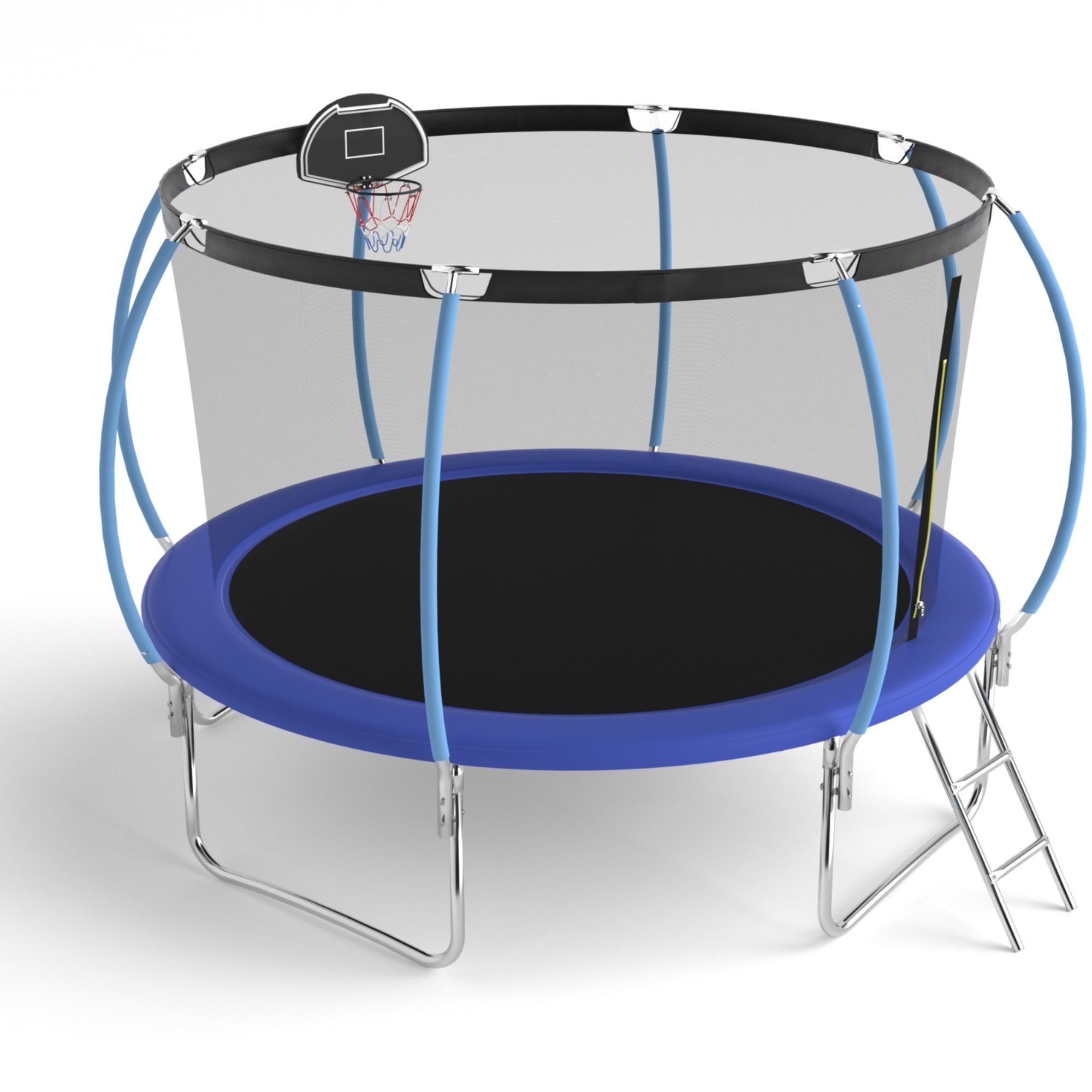
Kids trampolines are smaller in size. They focus on low height and limited bounce. Safety nets are often shorter and less sturdy. The frame is designed for light use and small jumps. Adult trampolines are larger and built for higher jumps. They offer stronger safety enclosures and wider jumping areas. The design supports heavier weights and more active use.
Material Strength
Kids trampolines use lighter materials to keep them portable. The springs and mats have lower weight limits. These parts may wear out faster under adult use. Adult trampolines use thick steel frames and heavy-duty springs. The mats are made from strong, durable fabric. They can handle higher impact and heavier weights safely. Using kids trampolines for adults risks damage and injury.
Expert Recommendations
Experts share clear advice on adults using kids trampolines. Safety remains the top concern. Understanding proper use helps prevent injuries. Adults should follow specific guidelines to stay safe and protect the trampoline.
Safe Usage Practices
Adults must check the trampoline’s weight limit before use. Kids trampolines often support less weight than adult models. Use slow, controlled jumps to avoid damage or falls. Avoid flipping or high jumps that stress the frame. Always inspect the trampoline for tears or loose parts. Use safety nets and padding to reduce injury risks. Supervise children closely when adults are also jumping. Place the trampoline on a flat, soft surface like grass. Remove shoes and sharp objects before jumping. Limit the time adults spend on the trampoline to avoid wear.
When To Avoid Kids Trampolines
Avoid using kids trampolines if the adult weighs over the limit. Do not jump on trampolines with visible damage or worn springs. Skip use if the trampoline lacks safety nets or padding. Avoid use during wet or windy weather to prevent slips. Do not allow multiple jumpers at once, especially adults and kids. Avoid jumping if feeling tired or unwell. Stop use immediately if the trampoline feels unstable. Never use a kids trampoline as a main exercise tool for adults.
Alternative Options For Adults
Adults need trampolines that fit their size and weight. Kids trampolines often lack the strength and space adults require. Using a trampoline not made for adults can cause accidents or damage. Safer and better options exist for adult users. These alternatives provide comfort and safety while offering fun and exercise.
Choosing Adult-sized Trampolines
Adult-sized trampolines are built to support heavier weights. They have larger jumping surfaces and stronger frames. These trampolines reduce the risk of injury. Look for models with good weight limits and safety nets. Quality padding and sturdy springs improve the experience. Choosing the right size helps adults enjoy jumping safely.
Indoor Mini Trampolines
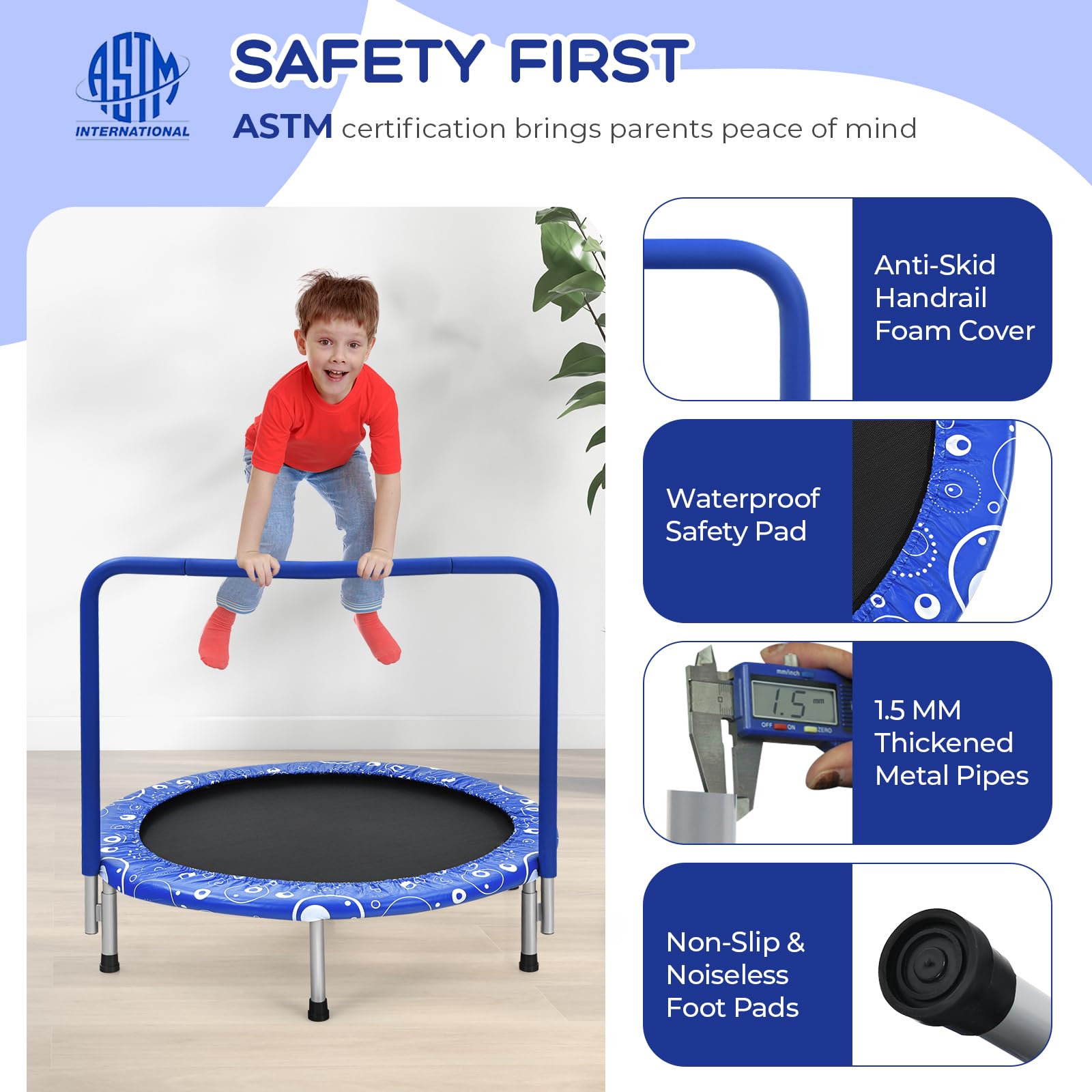
Indoor mini trampolines are perfect for small spaces. They are designed for light exercise and balance training. These trampolines support adult weight but are compact. Many come with handles for extra stability. Using a mini trampoline indoors encourages regular activity. It is a fun way to stay fit without leaving home.

Maintenance And Inspection Tips
Proper maintenance and regular inspection keep trampolines safe and durable. Adults using kids trampolines need to be extra careful. These trampolines are not designed for heavy weight and strong impact. Checking the trampoline often helps spot problems early. This prevents accidents and extends the trampoline’s life.
Regular Safety Checks
Check the trampoline before every use. Look at the frame, springs, and mat. Make sure all parts are tight and secure. The padding should cover the springs completely. Test the jumping surface for firmness and holes. Remove any debris or sharp objects from the trampoline area. Keep the surrounding space clear to avoid injuries.
Signs Of Wear And Tear
Look for cracks or bends in the frame. Rust or broken springs can weaken the structure. The mat may show frayed edges or holes. Padding might be torn or missing in spots. Loose stitching or sagging fabric are warning signs. Stop using the trampoline if you find these problems. Repair or replace parts before jumping again.
Frequently Asked Questions
Can Adults Safely Jump On Kids Trampolines?
Kids trampolines are not designed to support adult weight. Using them can cause frame damage and increase injury risk. Adults should use trampolines made for their size to ensure safety.
What Weight Limit Do Kids Trampolines Usually Have?
Most kids trampolines support between 100 to 150 pounds. Exceeding this limit can damage the trampoline and cause accidents. Always check the manufacturer’s weight guidelines before use.
Are Kids Trampolines Structurally Strong For Adults?
Kids trampolines have lighter frames and thinner mats. They lack the strength and durability needed for adult use. Using them for adults can lead to equipment failure and injuries.
What Are Risks Of Adults Using Kids Trampolines?
Adults jumping on kids trampolines risk frame collapse, mat tears, and falls. This misuse can cause serious injuries and void warranties. It’s best to use trampolines suited for adult users.
Conclusion
Kids trampolines are not built for adult weight or size. Using them can cause damage or injury. Adults should choose trampolines made for grown-ups. Safety matters most when jumping and playing. Always check the trampoline’s weight limit before use. Enjoy bouncing, but do it safely and wisely.
Choose the right trampoline for your needs. Keep fun safe for everyone, young and old.