
Are you wondering when it’s safe for your child to start jumping on a trampoline? You want to make sure your little one is having fun without risking injury.
Trampolines can be a fantastic way for kids to stay active and enjoy themselves, but knowing the right age to begin is key to keeping your family safe. You’ll discover the best age to introduce trampoline fun, important safety tips, and how to protect your child every time they bounce.
Keep reading to make sure your trampoline experience is both exciting and secure.
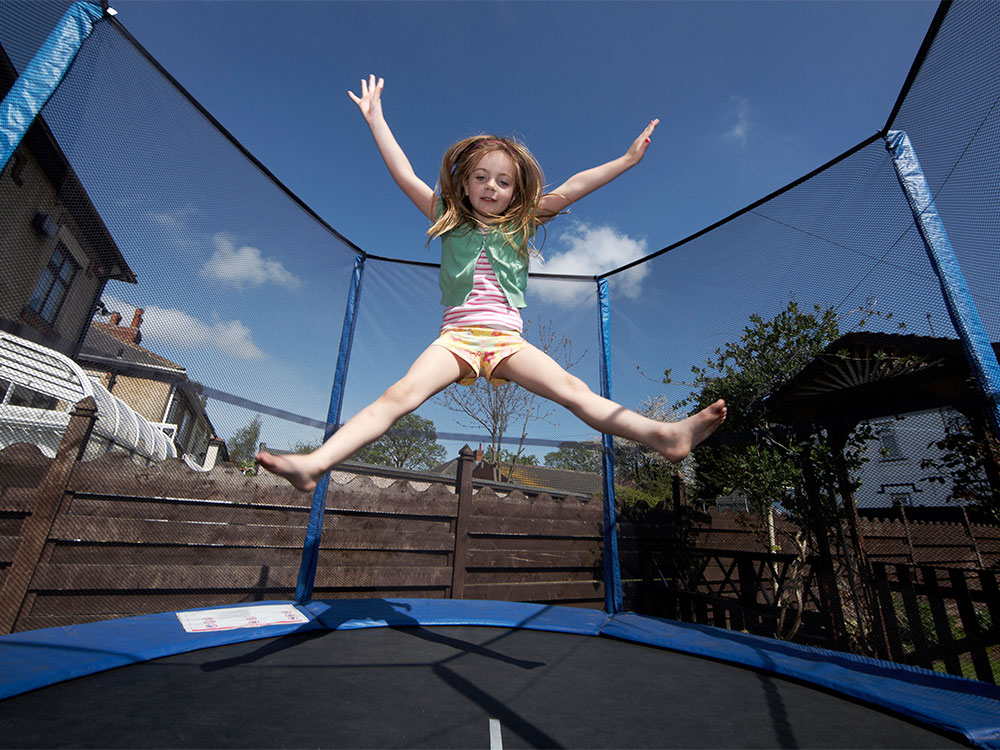
Trampoline Age Recommendations
Choosing the right age to start using a trampoline is important for safety. Trampolines can be fun, but they also carry risks. Knowing the age recommendations helps keep children safe and enjoy the bounce.
Minimum Age Guidelines
Most experts say children should be at least 6 years old to use a trampoline. Younger kids have less control over their movements. Their bones and muscles are still growing. This makes them more likely to get hurt. Supervision is always needed, no matter the age.
Age Variations By Trampoline Type
Small trampolines, like mini rebounders, are safe for children as young as 3 years old. These are low to the ground and have softer springs. Larger trampolines with nets are better for kids aged 6 and older. Some models have extra safety features for older children and teens. Knowing the type helps choose the right trampoline for each age group.

Safety Risks For Young Children
Trampolines can be fun, but young children face safety risks. Their bodies are still growing and they may not control their movements well. These factors increase the chance of injury. Parents need to understand these risks before allowing children to jump.
Common Injuries By Age Group
Children under six often suffer from falls and head injuries. They might lose balance easily. Kids aged six to ten tend to get sprains and fractures. This happens when they land wrong or collide with others. Older children have fewer injuries but still risk broken bones and bruises.
Developmental Factors Affecting Safety
Young children have weak bones and soft skulls. Their muscles and coordination are not fully developed. This makes it harder to control jumps and land safely. Their judgment and risk awareness are limited. They may try dangerous moves without understanding consequences.
Safety Features To Look For
Safety features on trampolines help prevent injuries. Choosing the right ones makes jumping safer for kids and adults. Some features protect users from falls and sharp edges. Others ensure the trampoline supports the right weight and size. Knowing what to check helps pick a safer trampoline.
Enclosures And Padding
Enclosures are nets that surround the trampoline. They stop jumpers from falling off the edge. A good enclosure should be tall and strong. Padding covers springs and the frame. It keeps users from hitting hard parts. Thick, soft padding reduces the chance of cuts or bruises.
Weight And Size Limits
Each trampoline has a maximum weight limit. This limit keeps the trampoline safe and stable. Exceeding it can cause damage or accidents. Size limits tell you if the trampoline fits your space. Choose a trampoline that matches the jumper’s age and weight. This helps avoid injuries from overloading or unsafe use.
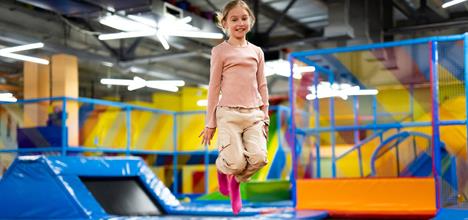
Supervision And Usage Tips
Supervision and proper use are key to safe trampoline fun. Kids need guidance to avoid injuries. Adults must watch closely and teach safe habits. Clear rules help keep jumping safe and fun. Understanding how to supervise and use trampolines reduces risk. Below are important tips to follow.
Adult Monitoring Importance
Adults must stay near the trampoline at all times. Watching kids helps prevent risky jumps or falls. Quick help is ready if accidents happen. Adults spot unsafe behavior early and stop it. Constant supervision lowers injury chances significantly.
Safe Jumping Practices
Only one jumper at a time is safest. Avoid flips or somersaults without training. Jump in the center of the trampoline, not near edges. Use safety nets and padding to reduce harm. Wear no shoes and remove sharp objects before jumping. Set clear rules and explain them to kids.
Training And Preparation
Training and preparation are key steps before using a trampoline safely. Proper training helps reduce the risk of injury. It also builds confidence and control.
Children and beginners need to learn the right ways to jump and land. Warming up the body prepares muscles and joints for activity. Stretching improves flexibility and balance.
Teaching Proper Techniques
Start by showing how to jump with knees slightly bent. Teach landing on both feet at the same time. Avoid twisting the body during jumps. Explain the importance of staying in the center of the trampoline. Practice simple moves before trying flips or tricks. Supervise every jump closely for safety.
Warm-up And Stretching
Begin with light jogging or walking to increase heart rate. Follow with stretches for legs, arms, and back. Focus on calves, hamstrings, and shoulders. Hold each stretch for 15 to 20 seconds. Warm muscles prevent strains and sprains. Stretching also helps improve jumping skills.
Alternatives For Younger Kids
Young children need safe ways to enjoy jumping and moving around. Big trampolines can be risky for toddlers and preschoolers. Parents want fun activities that keep their kids active without danger. Several alternatives suit younger kids well. These options build confidence and improve balance. They prepare children for bigger trampolines later.
Mini Trampolines
Mini trampolines are smaller and safer for little kids. They have soft edges and sturdy frames. Many models come with handles for balance. Kids can jump gently without falling easily. Mini trampolines promote exercise and coordination. They fit indoors and use less space. Supervision is still important during playtime.
Soft Play Equipment
Soft play gear includes cushions, mats, and foam shapes. These create safe zones for climbing and jumping. Children can explore and be active without hard impacts. Soft equipment helps develop motor skills and strength. It is perfect for indoor use and small areas. Parents can arrange soft play setups at home or centers.
When To Upgrade To Larger Trampolines
Knowing when to upgrade to a larger trampoline is important for your child’s safety and fun. A bigger trampoline offers more space and new challenges. It allows your child to jump higher and try new moves. But the right time to move up depends on your child’s growth and skills.
Choosing the right moment helps prevent injuries. It also keeps your child excited about jumping and playing outside.
Signs Your Child Is Ready
Your child can jump safely on a small trampoline with control. They show good balance and coordination. They no longer feel crowded or limited by the small space. They can follow safety rules without reminders. Your child asks for a bigger trampoline or shows interest in harder tricks.
Transitioning Safely
Check the larger trampoline’s safety features before buying. Use safety nets and pads to reduce injury risks. Teach your child to jump one at a time. Show how to land softly and avoid flips until skilled. Supervise every jump, especially at first. Keep the trampoline area clear of obstacles and hard surfaces.
Frequently Asked Questions
What Is The Safest Age To Start Using A Trampoline?
Children aged 6 and older are generally considered safe to use trampolines. Younger kids risk injury due to poor coordination and balance. Always supervise and ensure proper safety measures are in place when children use trampolines.
Can Toddlers Safely Use Trampolines At Home?
Toddlers under 6 years old should avoid trampolines. Their bones and muscles are still developing, increasing injury risk. Instead, provide age-appropriate physical activities that promote safe motor skill development.
When Can Children Jump On A Trampoline Without Supervision?
Children under 12 should always be supervised while trampoline jumping. Supervision helps prevent risky behavior and injuries. Older teens may jump unsupervised if they follow all safety rules and use protective equipment.
What Safety Measures Are Recommended For Young Trampoline Users?
Use safety nets, padding, and limit one jumper at a time. Always supervise children and set clear rules. Regularly inspect the trampoline for damage to ensure a safe jumping environment.
Conclusion
Trampolines can be fun but need care and rules. Children under six should avoid trampolines to stay safe. Older kids must always use safety nets and adult supervision. Teach kids to jump one at a time to prevent injuries. Choosing the right age and safety steps helps everyone enjoy bouncing.
Safety first keeps playtime happy and accident-free. Remember, a safe trampoline is a happy trampoline.

